
Which Home Upgrades Pay You Back Within a Year

Not every home upgrade takes years to pay for itself. Some repairs and improvements start saving you money, preventing costly damage, or generating income almost immediately, often within the first twelve months. Whether you are trying to lower utility bills, avoid emergency repair costs, or make your property more functional, knowing which projects deliver fast returns can help you prioritize your budget. Below is a breakdown of the upgrades most likely to pay you back within a year, along with practical reasons why.
Sealing Air Leaks Before Replacing Your Heating System
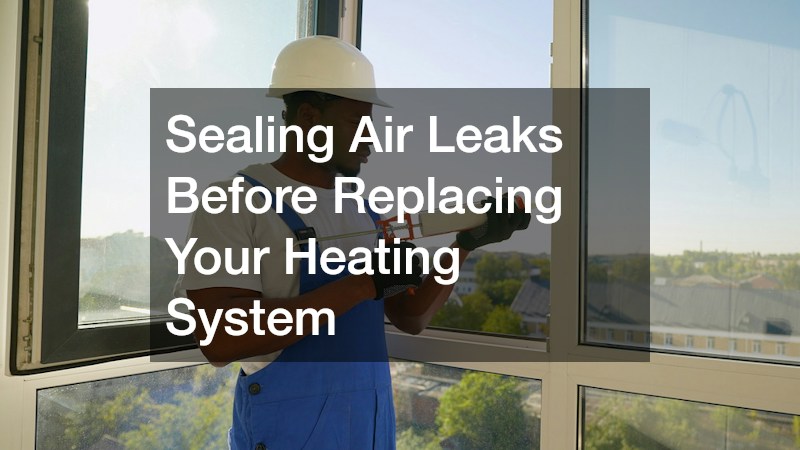
Before spending thousands on a brand-new furnace, many homeowners find that addressing air leaks and insulation gaps delivers a much faster payback. The Department of Energy estimates that air leaks can account for 25-30% of heating and cooling energy use in a typical home, meaning your furnace or AC unit is working overtime just to compensate for gaps you could seal yourself. The usual culprits are predictable: gaps around window and door frames, attic hatches, recessed lighting, electrical outlets, and the joints where plumbing or ductwork passes through walls.
A tube of caulk, a roll of weatherstripping, and an afternoon of work can close most of these for well under $100. For larger gaps around pipes or in the attic, expanding spray foam offers a slightly pricier but more durable fix. It’s worth doing a simple test before you start: on a windy day, hold a lit incense stick or a tissue near common trouble spots and watch for smoke or flutter that reveals drafts. Many utility companies also offer free or low-cost home energy audits that use blower-door tests to pinpoint exactly where you’re losing air, which helps you prioritize the leaks that matter most.
This is a low-cost project that often pays for itself within a few months through lower utility bills, and unlike a furnace replacement, it requires no financing, permits, or professional installation. Tackling air sealing first can also mean you need a smaller, less expensive heating system when you do eventually replace it, since a tighter home requires less capacity to heat and cool.
Before you spend thousands replacing a furnace, it’s worth sealing the gaps that are letting conditioned air escape in the first place. Caulking around window frames, weatherstripping exterior doors, and sealing gaps where pipes and wiring enter your attic or basement can cost under $200 in materials and typically pays for itself within a single heating season.
A blower door test, often offered as part of a home energy audit for $100-$400, will pinpoint exactly where you’re losing the most air so you’re not guessing. That said, if your existing system is already struggling, a well-timed furnace repair can be the smarter investment. Catching a cracked heat exchanger, failing igniter, or worn blower motor early, often for $150 to $600 depending on the part, prevents a complete breakdown during the coldest months, which usually costs far more to resolve and can run several thousand dollars for emergency replacement. A furnace that’s cycling too often, producing uneven heat, or making grinding or rattling noises is signaling a problem worth addressing now rather than later.
Combining air sealing with timely furnace repair gives you the best shot at noticeable savings before next winter even arrives. Doing both in the same season means your furnace isn’t working overtime to compensate for leaky envelope, and your sealing efforts aren’t wasted heating a system that’s about to fail anyway. Many homeowners see a 10-20% drop in heating costs just from tackling these two fixes together.
Upgrading Cooling Efficiency for Lower Summer Bills
Cooling costs make up a large share of summer utility bills, especially in warmer climates where systems run almost constantly. If your current unit is more than ten years old, scheduling a professional AC installation with a higher-efficiency model can reduce cooling costs enough to offset the upfront cost within one cooling season. Modern units also do a better job regulating humidity, which improves comfort without running longer cycles.
Homeowners often hesitate because of the initial price tag, but it helps to look at the math over twelve months rather than focusing on the sticker price alone. A properly sized and professionally completed AC installation typically reduces energy consumption by double digits compared to an aging, inefficient unit. Pairing this with regular filter changes and duct checks extends those savings even further.

Hiring a Professional to Fix Hidden Water Problems
Water damage is one of the most expensive problems a home can develop, and much of it starts small and hidden behind walls or under floors. A licensed plumber can identify slow leaks, corroded pipes, or failing fixtures before they turn into a five-figure repair. Addressing these issues early is one of the fastest ways to protect your home’s value without a major renovation.
- Fixing a running toilet can save thousands of gallons of water annually
- Replacing worn supply lines prevents sudden flooding
- Repairing slow drain leaks protects subfloors and cabinetry
- Updating old fixtures improves water pressure and efficiency
- Catching corrosion early avoids replacing entire sections of pipe
Replacing Entry Doors for Storm Protection and Efficiency
In regions prone to severe weather, upgrading to impact doors is one of the more surprising fast-payback projects homeowners overlook. These doors are built to withstand high winds and flying debris, which can prevent catastrophic structural damage during a storm. Beyond protection, many insurance companies offer meaningful premium discounts for homes with reinforced entry points.
The energy efficiency gains are also worth noting, since impact doors typically include better seals and insulated cores that reduce drafts year-round. Homeowners in hurricane-prone areas often recover the cost within a single storm season simply by avoiding a claim or reducing their deductible exposure. Even outside of storm season, the improved insulation keeps monthly energy costs lower.
Repairing Your Porch Before Small Issues Become Big Ones
A sagging porch or rotting boards might seem like a cosmetic issue, but neglecting it invites structural problems and safety hazards. Moisture trapped under loose boards can spread rot to joists and support posts within a season or two, turning a $200 fix into a $3,000 rebuild. Scheduling porch repair early, before wood rot spreads to support beams or railings become unstable, keeps the project small and affordable. Common warning signs include soft or spongy flooring, paint that’s peeling in patches, nails popping up from boards, and railings that wobble when leaned on.
Catching these early often means replacing a handful of boards or resetting a post, work that most contractors can complete in a day for a few hundred dollars. Wait too long, though, and you may be looking at full joist replacement, new footings, or even a code-mandated rebuild if an inspector flags the structure as unsafe. Buyers and appraisers also notice an unkempt entryway, so this is one of the fastest ways to protect curb appeal and resale value. A clean, solid porch signals that the rest of the home has been well maintained, while a shaky one raises red flags during a walkthrough. Since the porch is often the first thing a buyer touches and steps on, even minor repairs here tend to pay for themselves many times over at closing.

Most porch repair projects involve replacing a few rotted boards, resealing surfaces, or reinforcing wobbly railings rather than a full rebuild, which keeps costs in the $300 to $1,500 range for most homes. Compare that to a full porch replacement, which can easily run $5,000 to $10,000, and the math on tackling small problems early becomes obvious. Because the porch is one of the first things visitors and potential buyers see, the visual return on investment is immediate. A fresh coat of sealant, tightened railings, and swapped-out boards can transform curb appeal in a single weekend, often boosting a home’s perceived value well beyond the dollars spent. A well-maintained porch also tends to extend the life of the structure underneath it.
Moisture that seeps through cracked boards or failed caulking can rot joists, damage support posts, and even compromise the foundation it’s attached to. Catching these issues early with routine porch repair avoids the kind of structural work that runs into the thousands and disrupts the rest of the home. Simple seasonal checks make a big difference: look for soft or spongy boards, check railings for movement, and inspect where the porch meets the house for gaps or water staining. Addressing these small signs promptly is almost always cheaper and faster than waiting until they become major repairs.
Addressing Septic System Failures Before They Spread
Homeowners with septic systems often overlook the drain field until a problem surfaces, usually in the form of soggy yard patches or unpleasant odors. A failing drain field installation left unaddressed can contaminate groundwater and force a much larger, more expensive excavation project later. Catching early warning signs and scheduling repairs or a partial drain field installation promptly is far more affordable than waiting for total system failure.
- Standing water or unusually green patches in the yard are early warning signs
- Slow drains throughout the house can indicate a backup forming
- Foul odors near the drain field area should never be ignored
- Regular septic pumping reduces strain on the entire system
- Avoiding heavy vehicles or construction over the drain field protects it long term
Replacing an Aging Garage Door for Safety and Savings
The garage door is one of the largest moving parts of any home, and an old, inefficient one can be both a security risk and an energy drain. Replacing worn panels, cables, or openers with new garage doors improves insulation, especially for homes with living space above or adjacent to the garage. Many newer models also include smart technology that enhances security and reduces the risk of break-ins.
From a financial standpoint, new garage doors are consistently ranked among the highest return-on-investment projects for home resale value. Beyond resale, the energy savings from a properly insulated door can be noticeable within the first year, particularly in extreme climates. A quieter, smoother-operating door also reduces wear on the opener motor, avoiding a costly replacement later.
Organizing Garage Storage to Maximize Usable Space
An overflowing, disorganized garage often leads homeowners to rent storage units unnecessarily, adding a recurring monthly expense that adds up quickly. Installing garage cabinets creates designated storage for tools, seasonal items, and sporting equipment, freeing up space to actually park your vehicles inside. This protects cars from weather exposure, which can extend the life of paint, tires, and batteries.
The payback here comes from avoided costs rather than direct savings, but it is just as real. Canceling an offsite storage unit after installing garage cabinets can save hundreds of dollars annually, often covering the cost of the cabinets within the first year. A well-organized garage also makes it easier to spot maintenance issues with tools and equipment before they become costly problems.
Managing Outdoor Projects Without Costly Downtime
Home renovation projects that involve plumbing shutdowns, bathroom remodels, or extended outdoor work can create real logistical headaches, especially for larger households or multi-day projects. Bringing in portable restroom rentals during these periods keeps the household functioning normally and avoids the inconvenience of shared or unavailable facilities. This is particularly useful for homeowners hosting outdoor events during a renovation or dealing with a complete bathroom gut job.
While this might seem like a minor convenience, it prevents costly workarounds like hotel stays or disrupted schedules that eat into renovation budgets. Contractors also tend to work more efficiently when restroom access isn’t a constant back-and-forth negotiation. For larger properties or extended projects, this small line item often pays for itself in saved time and reduced household stress.
Adding Shade Structures to Cut Cooling Costs
Outdoor living spaces benefit enormously from shade, and retractable awnings offer a flexible way to block direct sunlight without a permanent structure. By shading windows and patio doors during peak sun hours, retractable awnings can meaningfully reduce indoor temperatures, easing the load on your cooling system. This is especially effective on south and west-facing exposures where afternoon heat gain is highest.
Unlike fixed overhangs, retractable awnings can be adjusted or retracted based on the season, giving homeowners more control over light and temperature throughout the year. Many homeowners notice a drop in their summer cooling bills soon after installation, which helps offset the upfront cost within the first year. They also extend usable outdoor living space, adding practical value beyond energy savings alone.
The fastest-paying upgrades share a common thread: they solve a real problem, prevent a bigger expense down the road, or directly lower a recurring monthly cost. Rather than chasing every trendy renovation, focus on the repairs and improvements that address your home’s specific weak points first. Start with a quick walkthrough of your property to identify which of these projects applies to your situation, then tackle the ones offering the clearest financial return. Small, targeted investments now can mean a noticeably lighter budget within just twelve months.