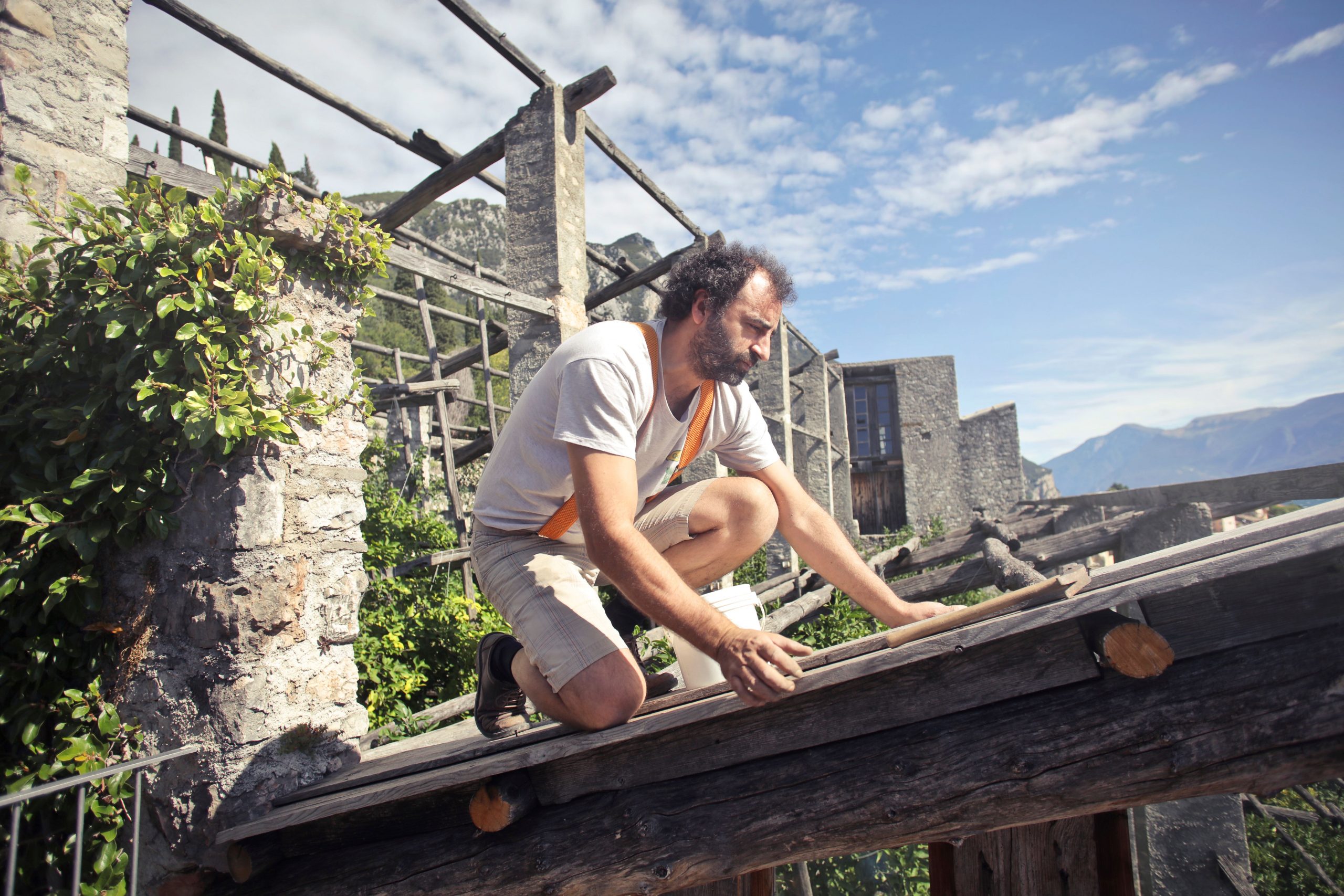
Common Roofing Problems You Can Fix Yourself (and Ones You Shouldn’t)

Key Takeaways
- Clean safely accessible gutters and remove light debris regularly to help prevent water buildup and roof damage.
- Check for missing shingles, damaged flashing, water stains, and other warning signs from the ground.
- Address leaks quickly to prevent mold growth, damaged insulation, rotting wood, and costly interior repairs.
- Leave structural damage, widespread shingle deterioration, and complicated roof repairs to qualified professionals.
- Avoid climbing onto wet, steep, or damaged roofs, and prioritize safety when inspecting your home.
- Compare repair costs with replacement options when your roof has recurring problems or is nearing the end of its lifespan.
- Schedule regular inspections and coordinate related exterior repairs to maintain your roof’s long-term performance.
Your roof protects your home from rain, wind, sunlight, and changing temperatures. However, roofing materials can wear down over time, and small problems can turn into costly repairs if they go unnoticed. A loose shingle, clogged gutter, or damaged seal may seem minor at first, but it can allow water to enter your home and damage ceilings, insulation, and walls.
The good news is that some roofing problems can be handled with basic tools and regular maintenance. Cleaning accessible gutters, checking for visible damage, and removing small amounts of debris from the ground are examples of tasks many homeowners can manage. Other problems, such as structural damage, widespread leaks, or repairs on steep roofs, require professional skills and equipment.
Knowing the difference can help you save money without putting yourself or your home at risk. This guide explains which common roofing problems you may be able to handle yourself, which ones are best left to professionals, and how to maintain your roof to prevent future damage.
1. Clogged Gutters and Downspouts
Clogged gutters are one of the most common roofing maintenance problems. Leaves, twigs, dirt, and other debris can block the flow of rainwater. When water cannot drain properly, it may spill over the edges, collect near the foundation, or back up beneath the roof’s edge.
Keeping gutters clear is a task many homeowners can handle if the gutters are safely accessible from the ground. You can use a gutter-cleaning attachment for a garden hose or a suitable extension tool to remove light debris. Check that downspouts direct water away from the house and that water can flow freely through the system.
However, avoid climbing onto the roof or using an unstable ladder to reach high gutters. Wet surfaces and loose materials increase the risk of falls. If your home has multiple stories, steep roof edges, damaged gutters, or difficult access, hire a professional.
After cleaning, look for sagging sections, loose brackets, rust, or leaks around gutter joints. These problems may require repairs beyond simple cleaning. Regular maintenance, especially after storms and during seasons when leaves fall, can help prevent water from damaging your roof and foundation.
2. Loose or Missing Shingles
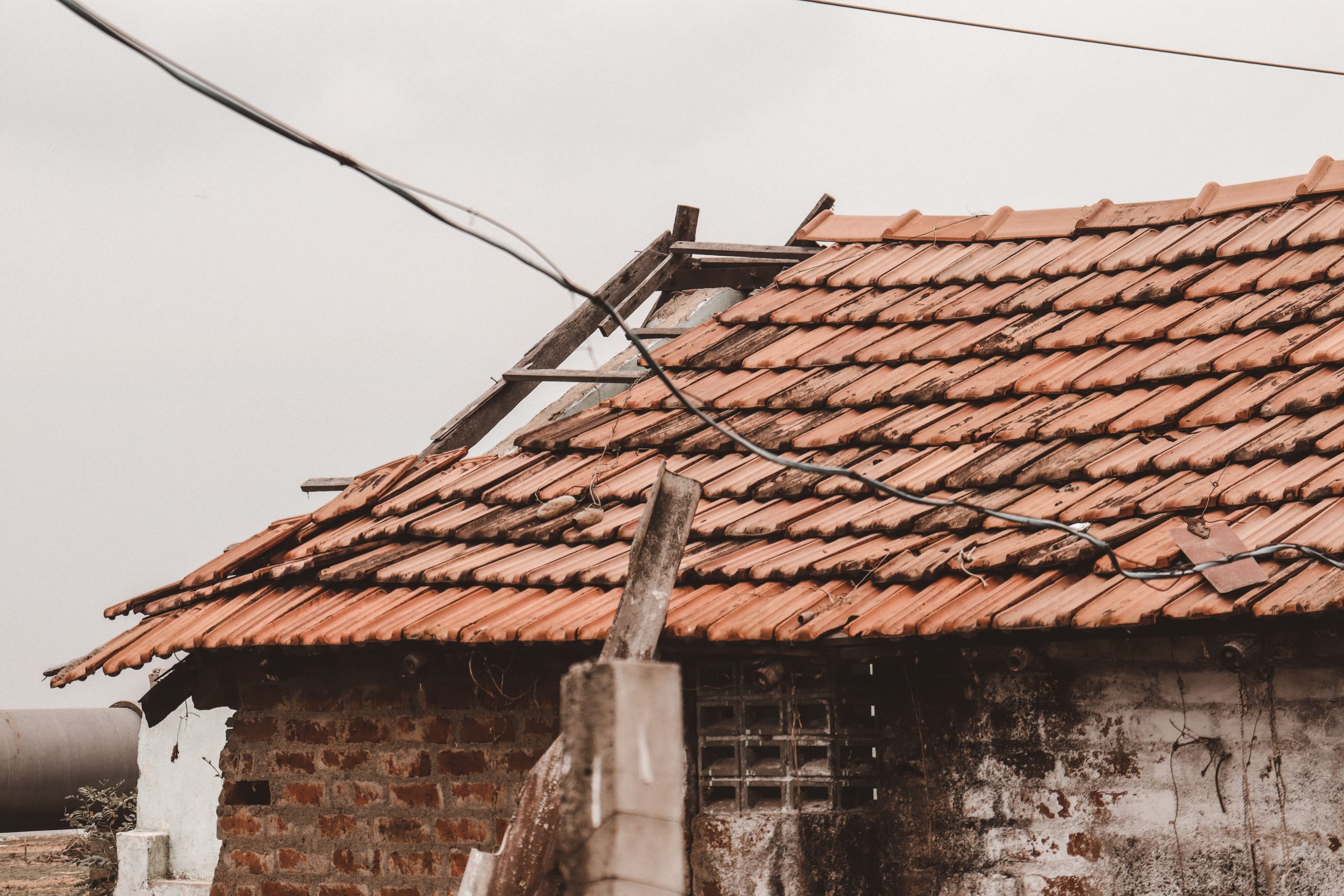
Shingles can loosen, crack, curl, or fall off because of strong winds, aging, poor installation, or repeated exposure to harsh weather. Missing shingles leave the layers underneath exposed to rain and sunlight, increasing the chance of leaks.
You can begin by checking the roof from the ground with binoculars. Look for uneven rows, bare patches, lifted edges, and shingles lying in your yard. You may also notice pieces of roofing material in your gutters.
Although replacing a shingle may appear simple, the work involves climbing onto the roof and handling materials that may be brittle or slippery. It can also be difficult to match the existing shingles or secure them correctly without damaging nearby materials.
For these reasons, homeowners without roofing experience should usually hire a qualified professional to replace missing or damaged shingles. A contractor can also check whether wind has affected nearby areas that are not easy to see from the ground.
If you notice missing shingles, arrange repairs promptly, especially before more rain is expected. A small repair may be enough when the surrounding roof is in good condition. Widespread shingle damage, however, may indicate that the roof needs a more detailed inspection.
3. Minor Debris on the Roof
Leaves, pine needles, and small twigs can collect on a roof, particularly beneath overhanging trees or in roof valleys. When debris stays wet, it can hold moisture against roofing materials and block the paths that carry rainwater away.
Removing light debris is an important part of roof maintenance, but safety should come first. From the ground, you can trim small branches within safe reach or use appropriate tools to remove loose debris from accessible areas without climbing. Avoid pulling or cutting branches that could fall onto the roof or power lines.
Do not sweep, scrape, or pressure-wash roofing materials to remove stubborn debris. These methods can damage shingles, loosen protective granules, or force water beneath the roof covering.
If debris has collected on a steep roof, around a chimney, or in a difficult-to-reach valley, arrange professional cleaning. This is especially important when branches are heavy, tangled, or resting on damaged roofing materials.
After a storm, look for signs that a branch has struck the roof. Even if the surface appears mostly intact, the impact may have damaged the roof decking or flashing beneath it. A professional inspection can help determine whether repairs are needed.
4. Small Leaks and Water Stains
Water stains on ceilings and upper walls often indicate a roof leak, but the source may not be directly above the visible mark. Water can travel along rafters, insulation, and other building materials before appearing inside a room.
Homeowners can safely take a few initial steps. Move furniture and belongings away from the wet area, place a container beneath small drips, and photograph the damage. If the leak is near electrical fixtures, outlets, or wiring, keep away and contact a qualified electrician or emergency service as needed.
You can also inspect the attic if it is safely accessible and the structure appears stable. Look for damp insulation, dark marks on wood, or visible water droplets. Do not enter if the floor is unsafe, water is near electrical equipment, or the roof structure appears damaged.
Finding the source of a leak often requires more than applying sealant to a visible spot. Water may be entering through damaged shingles, flashing, roof valleys, or a failed seal around a vent.
Avoid attempting roof repairs during rain or climbing onto the roof to trace a leak. A roofing professional can identify the cause, replace damaged materials, and check for hidden moisture. Prompt attention can help prevent mold growth, rotting wood, and costly interior repairs.
5. Damaged Flashing Around Roof Openings
Flashing is used to seal areas where the roof meets chimneys, vents, skylights, and walls. These joints are vulnerable because water can enter through small gaps when flashing becomes loose, corroded, or damaged.
From the ground, you may be able to spot bent metal, missing pieces, or other visible changes around roof openings. You can also look for new water stains inside the home near chimneys or skylights.
However, repairing flashing usually requires working at roof level and understanding how the surrounding roofing materials fit together. Simply spreading roofing cement over a gap may provide only temporary relief and can make proper repairs more difficult later.
For most homeowners, damaged flashing is a job best left to a roofing professional. The contractor may need to replace the flashing, repair nearby shingles, or correct problems with the original installation.
If you suspect flashing damage, do not wait for a major leak to develop. Arrange an inspection and ask the contractor to explain the source of the problem and how the proposed repair will prevent water from entering again.
6. Minor Gutter and Downspout Repairs
While cleaning gutters is often manageable, damaged gutter sections may need additional work. Loose brackets, separated joints, small leaks, and misaligned downspouts can prevent water from draining away properly.
If a gutter is easily accessible from the ground, you may be able to check for visible blockages and confirm that the downspout opening is clear. Small maintenance tasks can help you spot problems before they affect the roof edge or exterior walls.
More involved repairs should be handled by a professional, especially when gutters are high above the ground or pulling away from the fascia board. Reattaching a heavy gutter from an unsafe ladder can lead to serious injuries.
Do not ignore overflowing gutters even if the roof itself appears fine. Water can run behind the gutter, damage fascia boards, stain siding, and collect around the foundation. Ice buildup in colder climates can create additional stress on the gutter system.
If the gutter is bent, rusted through, or repeatedly detaching, replacement may be more practical than repeated patching. Ask a contractor to check the gutter slope, brackets, joints, and downspouts so the entire system can carry water away effectively.
7. Roof Ventilation Problems
Proper roof ventilation helps move warm, moist air out of the attic. When ventilation is poor, moisture can build up and contribute to mold, wood damage, and deterioration of roofing materials. In hot weather, trapped heat may also increase the temperature inside the attic.
Homeowners can check for warning signs without climbing onto the roof. Look for condensation, damp insulation, musty odors, or dark patches on attic framing. Make sure stored belongings are not blocking accessible attic vents, and check that bathroom or kitchen exhaust fans are not releasing moist air directly into the attic.
Do not cut new roof openings or install vents without understanding how the ventilation system should work. Poorly placed vents may fail to improve airflow or could create new paths for water to enter. Blocking existing vents can also make the problem worse.
If you suspect inadequate ventilation, ask a roofing professional to assess the attic’s airflow, insulation, and moisture levels. The right solution may involve improving intake and exhaust ventilation, sealing air leaks between the home and attic, or correcting improperly routed exhaust ducts.
8. Structural Roof Damage and Sagging
A sagging roof, broken rafter, or damaged roof deck is not a suitable DIY project. These problems may affect the structure that supports the entire roof and can create serious safety risks.
You may notice a dip in the roofline from the ground, a ceiling that appears to bow, or cracks in the interior walls. Inside the attic, damaged framing, warped wood, or signs of prolonged moisture may also indicate a structural issue.
Do not walk on a sagging roof, push against weakened framing, or attempt to support the structure with improvised materials. The roof may be unstable, and disturbing damaged components could make the situation worse.
Keep people away from affected areas and contact a qualified roofing or structural professional. If the roof has suffered major storm damage or appears at risk of collapse, seek urgent assistance and follow local safety guidance.
The repair may involve replacing roof decking, repairing framing, correcting long-term water damage, or rebuilding part of the structure. A professional assessment is necessary to determine the cause and the safest repair method.
9. Widespread Shingle Damage or an Aging Roof
Replacing a few damaged shingles may be manageable for an experienced professional, but widespread deterioration is a different problem. If large sections of the roof have missing shingles, extensive curling, cracks, or repeated leaks, patching individual areas may not provide lasting protection.
The roof’s age is also important. Asphalt shingles often last around 20 to 30 years, although the actual lifespan depends on product quality, installation, ventilation, and weather exposure. Other roofing materials may last longer, but all roofs need inspection and maintenance.
Homeowners can assess visible warning signs from the ground and gather records about previous repairs. However, deciding whether the entire roof needs replacement requires a closer inspection of the roofing materials, flashing, underlayment, and roof deck.
A qualified contractor can compare the cost of continued repairs with the cost of replacement. Ask for a written estimate that explains the condition of the roof, the work needed, and the expected benefits of each option.
If the roof is nearing the end of its useful life, replacement may offer better long-term value than repeated repairs. Avoid making the decision based on age alone; the roof’s actual condition matters most.
10. Know When DIY Repairs Are Too Risky
The most important part of roof maintenance is knowing your limits. Even a small repair can become dangerous when it involves heights, slippery materials, electrical hazards, or hidden structural damage.
As a general rule, DIY tasks should focus on safe ground-level checks and simple maintenance. More complicated repairs should be left to professionals, particularly those involving roof surfaces, flashing, structural components, or active leaks.
Before starting any project, consider whether you have the right tools, experience, and safe access. If the work requires walking on the roof, using a ladder near power lines, or handling damaged materials after a storm, hiring a professional is usually the safer choice.
Planning also helps you avoid rushed decisions. If you are coordinating repairs with a larger renovation or new construction, include roofing work in your home build timeline planning so inspections, material delivery, weather delays, and other trades can be managed properly. This is especially useful when the roof must be completed before interior work can safely continue.
Choose a contractor with relevant experience, appropriate licensing where required, and insurance. Request a written estimate and clarify what the price includes before work begins.
11. Coordinate Roof Repairs With Other Exterior Work
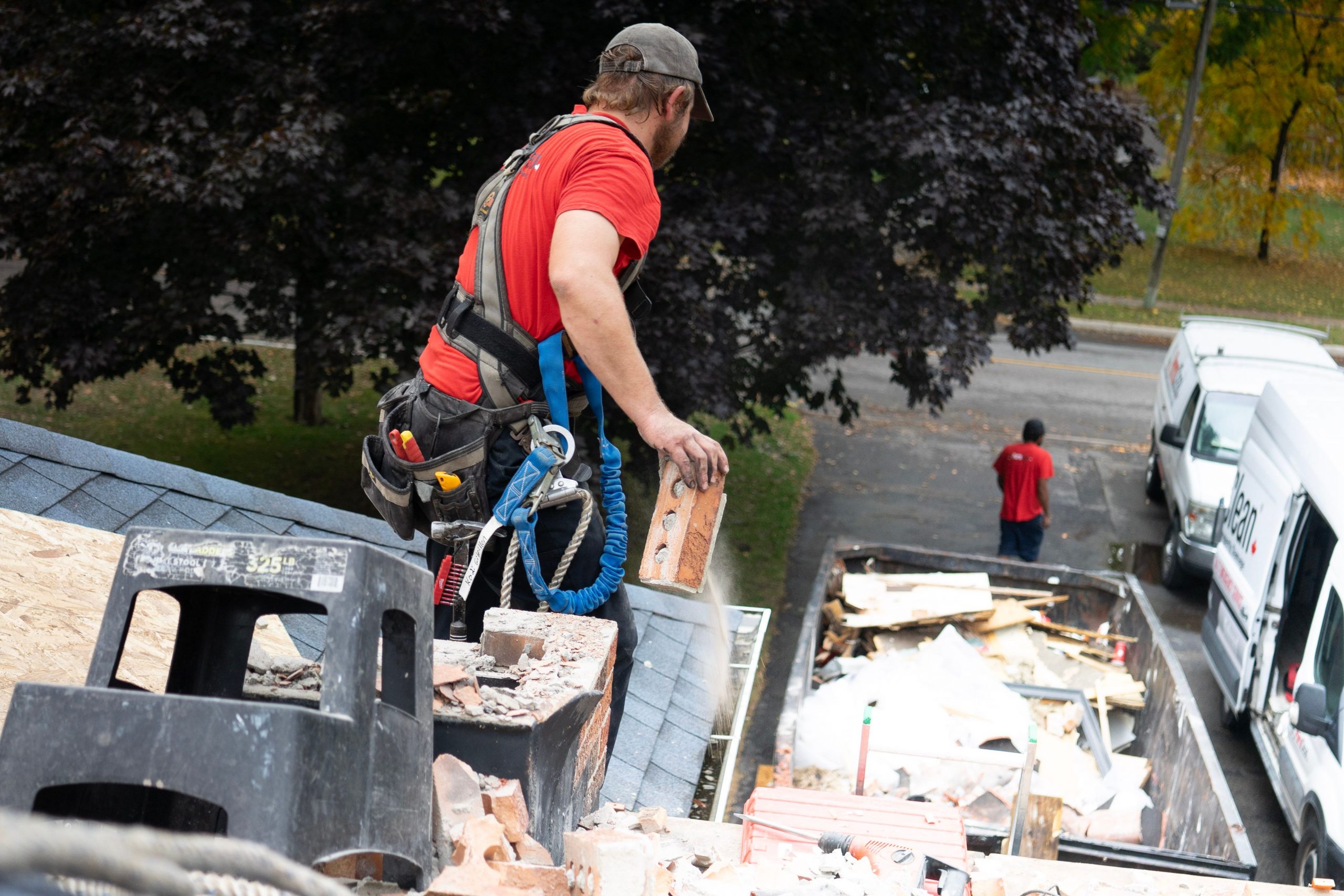
Roofing problems can affect other parts of your home’s exterior. A leak near the roof edge may damage fascia boards or siding, while poor drainage can leave water running down exterior walls. Repairing one area without checking nearby components may allow the same problem to return.
If you notice damage to both the roof and siding, ask your contractor whether the issues share a common cause. For example, damaged flashing where a roof meets a wall may allow water to enter behind the siding. Correcting the connection may be necessary before replacing the affected exterior materials.
Planning roof and siding project coordination can help homeowners organize related work, reduce scheduling conflicts, and avoid unnecessary repeat labor. However, urgent leaks and structural problems should be addressed before cosmetic upgrades.
Make sure each contractor understands which work must happen first. Roofing and flashing repairs generally need to restore weather protection before damaged interior finishes are replaced. A clear plan can help keep the project organized and protect your home from additional moisture.
Conclusion
Some roofing problems, such as clearing safely accessible debris, checking gutters from the ground, and spotting visible damage, can be part of routine homeowner maintenance. These simple tasks help you recognize problems early and reduce the chance of expensive repairs.
Other issues, including missing shingles on steep roofs, flashing failures, active leaks, poor ventilation, and structural damage, often require professional attention. Trying to repair these problems without the right skills or equipment can put you at risk and may cause more damage.
The best approach is to inspect your roof regularly from safe locations, act quickly when warning signs appear, and know when to call a qualified contractor. By focusing on prevention and choosing the right repair method, you can help your roof protect your home for years to come.