Hidden Property Risks That Can Flood or Crack Your Home

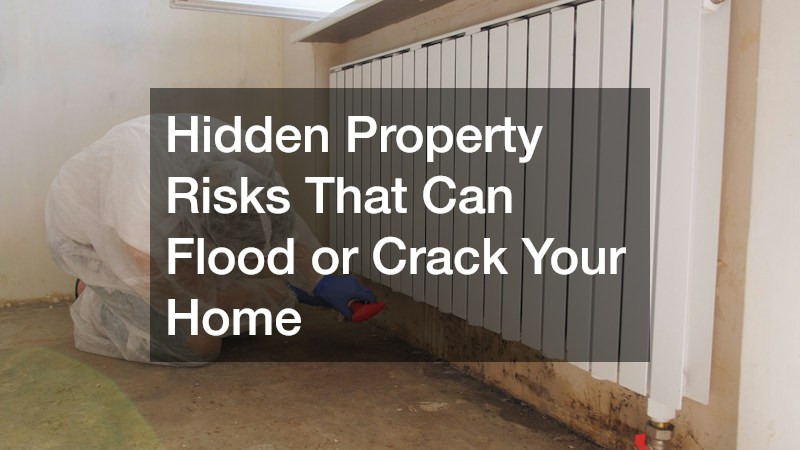
Most homeowners picture flooding or structural cracking as sudden disasters, but the truth is these problems usually build for months or years before they become visible. A failing pipe, a shifting fence line, or a slowly collapsing drain field can all quietly undermine your property long before you notice water stains or cracks in the drywall. The good news is that nearly every one of these hidden risks leaves clues if you know where to look. This guide walks through the most common underground and structural threats to your home, and what to do about each one before it turns into a costly emergency.
Aging Sewer Lines Beneath Your Yard
Underground sewer pipes are easy to forget about because they are completely out of sight, but they are also one of the most expensive systems to repair once they fail. Tree roots, shifting soil, and decades-old clay or cast iron pipe materials are common culprits behind slow leaks that eventually turn into major backups. A telltale sign is a soggy patch of lawn that never seems to dry out, paired with a sewage smell near your yard or basement drain.
If a camera inspection confirms a crack or root intrusion, sewer lining has become a popular alternative to full pipe replacement because it avoids tearing up your entire yard. This trenchless method inserts a new pipe liner inside the damaged one, sealing leaks and restoring flow without the mess of traditional excavation. Catching the problem early, before the pipe collapses entirely, usually means a faster and less invasive fix.
Septic System Failures That Signal Bigger Problems

If your home relies on a septic system rather than municipal sewer service, the tank and drain field are two of the most overlooked components on your property. A properly maintained septic tank should be pumped every three to five years depending on household size, but many homeowners skip this until something goes wrong. Warning signs include slow drains throughout the house, a persistent rotten egg smell in the yard, and unusually green or spongy grass above the drain field.
Left unaddressed, a failing septic system does not just create unpleasant odors; it can send untreated wastewater back into your home or seep into the surrounding soil, creating contamination risks. Scheduling routine inspections and pumping is far cheaper than replacing an entire drain field, which can cost thousands of dollars. Anyone unsure of their tank’s last service date should treat that uncertainty as a priority to resolve.
Grading and Drainage Problems Around the Foundation
The slope of the ground immediately surrounding your house plays a bigger role in flooding than most people realize. If soil has settled over time or was never graded properly, rainwater can pool against the foundation instead of flowing away from it. This constant moisture exposure softens soil, increases hydrostatic pressure against basement walls, and is one of the leading causes of foundation cracks.
Fixing grading issues often involves adding soil to create a gentle slope away from the house, extending downspouts, or installing a French drain system. Homeowners who also use lawn care services for regular yard maintenance can ask their provider to flag any low spots or erosion patterns they notice during routine visits, since these professionals are often the first to spot early warning signs. Catching a drainage problem before the rainy season arrives can prevent thousands of dollars in water damage later.
Tree Roots and Underground Utility Conflicts
Mature trees add value and shade to a property, but their root systems can wreak havoc on everything from sewer lines to foundations if planted too close to the house. Roots naturally grow toward moisture sources, which means they are drawn to leaky pipes and can widen tiny cracks into major breaks over time. Driveways and walkways near large trees often show the earliest signs of this kind of root pressure.
Before planting new trees or shrubs, it helps to know the mature root spread of the species and keep it a safe distance from underground lines. Homeowners dealing with an existing tree too close to a problem area may need a professional assessment to determine whether root barriers or removal is the safer long-term solution. Ignoring the issue rarely makes it go away, since root growth is a slow but relentless process.
Aging or Undersized Plumbing Systems
Older homes frequently have plumbing that was never designed for modern water usage, and galvanized steel or polybutylene pipes are particularly prone to corrosion and sudden failure. Galvanized pipes, common in homes built before the 1960s, gradually rust from the inside out, narrowing water flow and weakening pipe walls until a leak or burst becomes inevitable. Polybutylene, widely installed between the 1970s and 1990s, breaks down from chlorine exposure over time and can fail without warning, even when the exterior looks fine. A licensed plumber can assess pipe material, water pressure, and connection points to determine whether a full repipe is needed or whether targeted repairs will suffice. This typically involves checking pressure levels against the standard safe range of 40 to 80 psi, inspecting joints and fittings for mineral buildup, and sometimes running a camera inspection through accessible lines. In many cases, a plumber will also evaluate whether the existing pipe diameter can handle current household demand, since older systems sized for one or two bathrooms often struggle once a home has been expanded or renovated. Signs of trouble include discolored water, unexplained drops in water pressure, and visible corrosion around exposed fittings. Other red flags worth watching for are frequent pinhole leaks, a metallic taste or smell in tap water, and noticeable pipe banging or vibration when faucets are turned on. Catching these symptoms early can mean the difference between a modest repair and a costly emergency replacement after a pipe bursts behind a wall or under a slab.
Homes built before the 1990s often rely on galvanized steel, polybutylene, or early-generation copper piping, all of which are prone to corrosion, pinhole leaks, and brittleness over time. Older systems may also have been sized for smaller households with fewer fixtures, meaning today’s washing machines, dishwashers, and multiple bathrooms can put more pressure on pipes than they were ever designed to handle. That combination of age and undersizing is a quiet but serious risk factor for both flooding and structural cracking. Small leaks inside walls or under slabs are especially dangerous because they can go undetected for months while quietly causing wood rot, foundation movement, and mold growth. A slow drip releasing even half a gallon per hour can add up to hundreds of gallons of hidden moisture within a few weeks, softening framing and warping flooring long before any stain appears on a ceiling or wall. Scheduling a plumbing inspection every two to three years, especially in homes over thirty years old, gives homeowners a chance to catch warning signs like low water pressure, discolored water, or unusual spikes in utility bills before a pipe bursts. A qualified plumber can also check for outdated materials, verify that pipe diameter matches current household demand, and recommend repiping sections that are nearing the end of their lifespan. This kind of proactive maintenance is almost always less disruptive and less expensive than emergency repairs after a flood, often costing a few hundred dollars compared to thousands in structural repairs. It can also save homeowners from needing a costly water damage restoration crew to dry out and rebuild affected areas, a process that can take days and still leave behind lingering moisture issues if not handled thoroughly.
Poor Water Quality and Its Impact on Pipes
Hard water and sediment-heavy well water do more than leave spots on dishes; over time, mineral buildup narrows pipe diameters and accelerates corrosion from the inside out. Homes with well water are particularly susceptible to sediment and iron buildup, which can clog fixtures and shorten the lifespan of appliances like water heaters. Testing your water annually helps identify these issues before they cause expensive damage.
A qualified water filtration system installer can recommend a setup based on your specific water test results, whether that means a whole-house sediment filter, a water softener, or a reverse osmosis system for drinking water. Beyond protecting your plumbing, better water quality also extends the life of washing machines, dishwashers, and water heaters. This is one of the more affordable preventive investments a homeowner can make relative to the cost of repiping a house damaged by years of mineral buildup.
Fence and Retaining Wall Instability
Fences and retaining walls do more structural work than most homeowners realize, especially on sloped properties where they help hold back soil and manage water flow. A leaning fence post or a bulging retaining wall is often a sign of soil erosion or drainage problems happening just out of sight. Left unaddressed, a failing retaining wall can allow soil and water to shift toward the foundation, compounding existing drainage issues.
Working with a fence company that also understands grading and drainage can help identify whether a replacement needs additional water management features, like gravel backfill or weep holes, to prevent the same failure from happening again. Regular visual inspections after heavy storms are an easy habit that catches small shifts before they become major structural failures. A fence that was installed without proper drainage considerations is often a ticking clock rather than a permanent fix.
Outdoor Storage Structures and Unexpected Water Intrusion
Many homeowners add outbuildings, workshops, or hoop buildings to their property for extra storage or equipment protection, but these structures are frequently installed without the same grading and drainage planning given to the main house. Without a proper foundation and water diversion plan, these buildings can flood during heavy rain or develop frost heave issues that crack flooring and shift support posts. Even temporary or semi-permanent structures benefit from a gravel base and perimeter drainage.
Anyone planning a new structure should treat site preparation as seriously as the building itself, since a flooded or shifting building can damage stored equipment and create liability concerns. Simple additions like gutters, splash blocks, and a slight grade away from the structure go a long way toward preventing water intrusion. These lower-cost outbuildings are not exempt from the same physical forces that threaten a house.
Driveway and Walkway Deterioration as a Warning Sign
Cracked or sinking pavement is often dismissed as a cosmetic nuisance, but it frequently signals erosion, poor drainage, or settling soil happening below the surface. Asphalt paving that develops alligator cracking or sudden dips may indicate water infiltration undermining the base layer, which can eventually affect nearby foundations or utility lines. A driveway that pools water after a light rain, rather than shedding it toward the street, is often the first visible clue that grading has shifted or that the subbase has washed out. Pay attention to the pattern and location of the damage, since it can help pinpoint the cause. Cracks running parallel to a foundation wall, or a walkway that has visibly tilted away from the house, often point to soil settlement rather than simple age-related wear. Potholes that keep reappearing in the same spot after repeated patching usually mean water is still finding its way underneath, not that the patch material was faulty. Addressing these cracks early, through sealing or targeted repair, helps keep water from penetrating deeper into the subgrade. Sealcoating every two to three years and filling cracks wider than a quarter inch can prevent minor surface damage from becoming a full base failure. Ignoring these warning signs can lead to repair costs that climb quickly, since replacing an undermined driveway section often costs several times more than routine crack sealing.
Cracked, sunken, or heaving driveways and walkways rarely stay isolated problems. They often signal shifting soil, poor grading, or water pooling against the foundation nearby, and ignoring these cracks can let the same drainage issue migrate toward your home’s footing over time. A gap wider than a quarter inch, or pavement that tilts toward the house instead of away from it, is worth having inspected before scheduling any cosmetic fix. During larger renovation or repair projects, homeowners often accumulate significant debris from old pavement, damaged drywall, or flood-damaged materials. Ordering a roll off dumpster rental makes it far easier to clear everything in one trip rather than making dozens of runs to a disposal site, and most driveway tear-outs alone can fill a 15 to 20 cubic yard container faster than expected. Sizing the rental correctly up front saves both money and the hassle of ordering a second pickup mid-project. When replacing deteriorated asphalt paving, it’s also worth having a contractor inspect the compacted base and surrounding grading, since repaving over an unstable foundation often leads to the same cracking and pooling issues resurfacing within a year or two. A proper base typically needs 4 to 6 inches of compacted gravel, along with a slope of roughly 1 to 2 percent away from the house to keep water moving in the right direction. Skipping that step to save on upfront cost is one of the most common reasons repaved surfaces fail prematurely. Addressing the underlying drainage problem alongside the surface repair offers a far more lasting fix than patching alone. This might mean adding a French drain, regrading the slope, or extending downspouts away from the pavement edge before any new asphalt goes down. Spending a little more time diagnosing the cause now can spare you a far costlier foundation repair later.
Hidden property risks rarely announce themselves clearly, which is exactly why routine inspection and a little healthy suspicion go a long way toward protecting your home. Walking your property after storms, watching for soggy spots or new cracks, and scheduling periodic checks of your plumbing, septic, and drainage systems can catch small problems while they are still inexpensive to fix. When something does seem off, bringing in the right specialist early is almost always cheaper than waiting for a full-blown flood or foundation failure. Your home will tell you when something is wrong if you know what signs to watch for.