Smart Ways to Improve Your Home’s Energy Efficiency

Why Energy Efficiency Matters More Than Ever
Energy efficiency has become one of the most important considerations for homeowners today. As utility costs continue to rise and weather patterns become more extreme, maintaining a comfortable indoor environment without overspending on energy bills can feel like a challenge. The good news is that with the right improvements, you can dramatically reduce energy waste while increasing your home’s overall comfort and value.
Many homeowners start with small upgrades like switching to LED lighting or installing programmable thermostats. While those changes help, they only scratch the surface. The real opportunities for energy savings lie in your home’s exterior systems—specifically your roof, siding, and insulation. These components form the outer shell of your home and play a major role in regulating indoor temperature.
When these systems are outdated, damaged, or poorly installed, they allow heat to escape in the winter and enter in the summer. This forces your heating and cooling systems to work harder, increasing energy consumption and wear and tear. By focusing on strategic upgrades and maintenance, you can create a more energy-efficient home that performs well in every season.
Below are some of the most effective, practical ways to improve your home’s energy efficiency with lasting results.
Start With a Professional Roof Inspection to Prevent Energy Loss
Your roof is one of the most critical components of your home’s energy performance. It acts as a barrier against the elements, protecting your home from heat, cold, rain, and wind. However, even small issues—like cracked shingles or worn flashing—can lead to significant energy loss over time.
Working with experienced residential roofers allows you to uncover problems that may not be obvious. These professionals know how to identify weak points in your roofing system, including areas where heat may be escaping or moisture may be entering. A thorough inspection often includes checking for ventilation issues, structural damage, and insulation gaps.
If problems are found, a qualified roof repair contractor can recommend targeted solutions. In some cases, minor repairs are enough to restore efficiency. In others, more extensive work may be needed to prevent ongoing energy waste. Ignoring these issues can lead to higher utility bills and more expensive repairs down the line.
One of the most effective habits you can develop as a homeowner is scheduling routine roof inspections. Ideally, you should have your roof checked at least once a year and after major storms. This proactive approach helps ensure your home remains well-sealed and energy-efficient throughout the year.
Upgrade to Energy-Efficient Roofing Materials That Reflect Heat
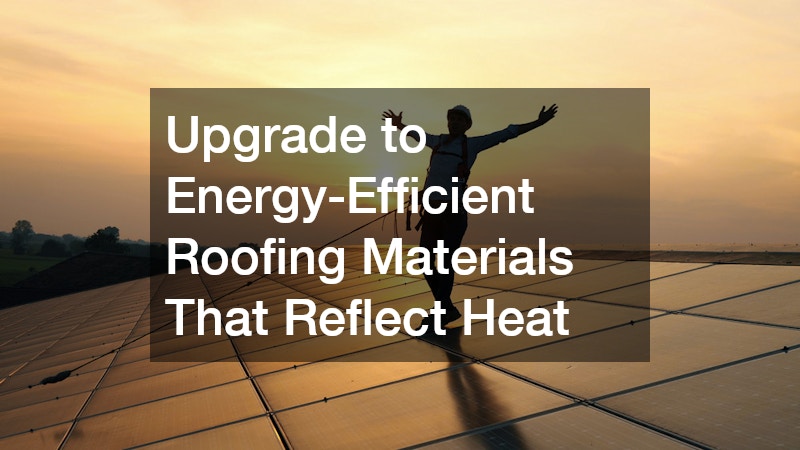
Not all roofing materials provide the same level of energy efficiency. Traditional materials often absorb heat, which can raise indoor temperatures and increase cooling costs during the summer. Upgrading to modern, energy-efficient options can make a noticeable difference in your home’s performance.
A trusted roofing service can guide you through the best options for your climate and budget. Reflective shingles, metal roofing, and cool roof coatings are all designed to reduce heat absorption and improve temperature regulation. These materials reflect more sunlight, helping to keep your home cooler naturally.
Experienced roofers play a key role in ensuring these materials are installed correctly. Even the most advanced roofing products won’t perform well if they’re not properly fitted. Poor installation can lead to gaps, leaks, and reduced efficiency.
When considering an upgrade, think about long-term savings rather than just upfront costs. Energy-efficient roofing materials may have a higher initial price, but they often pay for themselves through reduced energy bills and increased durability. Over time, this investment can significantly improve your home’s comfort and value.
Improve Thermal Protection With the Right Insulation Types
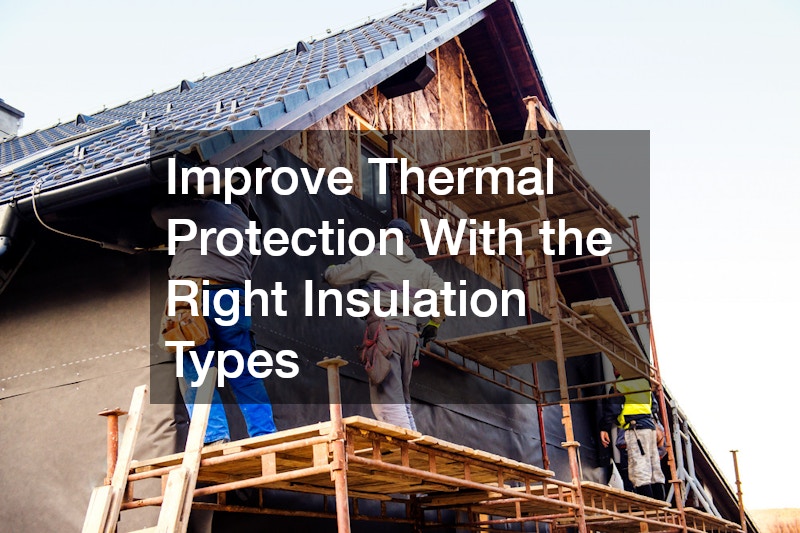
Insulation is one of the most powerful tools for improving energy efficiency. It works by slowing the transfer of heat, keeping your home warm in the winter and cool in the summer. Without proper insulation, your home loses energy quickly, leading to inconsistent temperatures and higher utility costs.
There are several insulation materials to choose from, each with unique benefits. Fiberglass is widely used and cost-effective, while cellulose offers a more environmentally friendly option. For maximum performance, spray foam insulations provide an airtight seal that prevents both heat transfer and air leakage.
The effectiveness of insulation depends on where it’s installed. Attics are a top priority, as heat naturally rises and escapes through the roof. Walls, crawl spaces, and basements are also important areas to address. Ensuring these spaces are properly insulated can dramatically improve your home’s overall efficiency.
When selecting insulation, pay close attention to the R-value. This measurement indicates how well the material resists heat flow. Higher R-values provide better insulation, making them ideal for areas with extreme temperatures. Investing in the right insulation can lead to immediate improvements in comfort and long-term energy savings.
Seal Air Leaks to Stop Energy Waste at the Source
Air leaks are a major contributor to energy loss in many homes. Even small gaps around windows, doors, and structural joints can allow conditioned air to escape, making it harder to maintain a consistent indoor temperature. Over time, this constant loss forces your HVAC system to run longer cycles, increasing both energy consumption and wear on the equipment. Many homeowners don’t realize just how much these small openings add up until they see a noticeable spike in their utility bills.
Professional insulation services are equipped to identify and seal these leaks effectively. They use advanced tools like thermal imaging to detect hidden problem areas that homeowners might miss. In addition to infrared scans, professionals may perform blower door tests, which help pinpoint exactly where air is entering or escaping the home. Once identified, these leaks can be sealed using specialized materials that provide long-lasting results, such as expanding foam, high-quality sealants, or weather-resistant barriers.
Choosing the best insulation company ensures that the job is done thoroughly. A comprehensive approach doesn’t just address obvious gaps—it also targets less visible areas like attic seams, ductwork connections, and wall penetrations. These hidden problem spots are often the biggest sources of inefficiency if left untreated.
For homeowners looking to take immediate action, simple steps like applying weatherstripping or caulking can help reduce minor leaks. You can also install door sweeps or outlet gaskets to further limit airflow. However, for maximum efficiency, it’s best to combine these efforts with professional air sealing and insulation upgrades.
Replace Old Siding to Reduce Drafts and Improve Efficiency
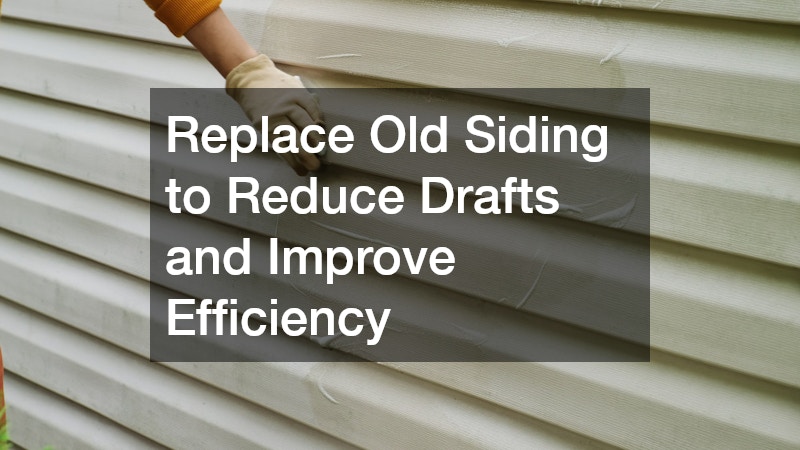
Siding does more than enhance your home’s appearance—it also plays a vital role in energy efficiency. Over time, siding can deteriorate, warp, or develop gaps that allow air to enter and escape. This reduces your home’s ability to maintain a stable indoor temperature.
If your siding is outdated or damaged, siding replacement may be the best solution. Modern siding materials are designed with energy efficiency in mind, offering improved insulation and durability. Options like insulated vinyl siding provide an extra layer of thermal protection.
Proper siding installation is just as important as the material itself. Even high-quality siding won’t perform well if it’s not installed correctly. Gaps, misalignment, and poor sealing can all lead to energy loss.
Upgrading your siding not only improves efficiency but also enhances curb appeal and increases property value. It’s a practical investment that delivers both aesthetic and functional benefits.
Add a Weather-Resistant Barrier Beneath Your Exterior Materials
A weather-resistant barrier is an essential component of an energy-efficient home. Installed beneath your siding, it acts as a shield against moisture and air infiltration, helping to maintain a consistent indoor environment.
When paired with high-quality insulation materials, this barrier creates a more effective thermal envelope. It prevents drafts and protects your home from water damage, which can compromise insulation performance over time.
During siding installation, ensuring that the barrier is properly applied is critical. It must be securely sealed and free of gaps to function effectively. This step is often overlooked, but it can make a significant difference in your home’s overall efficiency.
Including a weather-resistant barrier as part of your exterior upgrades is a smart way to enhance both energy performance and structural protection.
Upgrade Attic Ventilation to Balance Temperature Year-Round
Attic ventilation plays a crucial role in maintaining energy efficiency because it directly impacts how well your home can regulate temperature and moisture. When airflow is restricted, hot air becomes trapped in the attic during warmer months, radiating heat downward into your living spaces. This forces your cooling system to work harder, increasing energy usage and utility costs. In colder months, poor ventilation can lead to condensation buildup, which may damage insulation and structural components over time.
A professional roofing service can assess your ventilation setup and recommend improvements tailored to your home’s design. They evaluate factors such as attic size, roof slope, and existing airflow pathways to determine the most effective solution. Options like ridge vents allow hot air to escape through the peak of the roof, while soffit vents draw in cooler air from outside to create continuous circulation. Attic fans can further enhance this process by actively removing excess heat and moisture.
At the same time, insulation services ensure that your attic insulation works effectively alongside ventilation systems. Without proper coordination, insulation can block airflow or fail to prevent heat transfer. Achieving the right balance between insulation and ventilation helps maintain consistent indoor temperatures and reduces strain on your HVAC system.
By improving attic ventilation, homeowners not only enhance energy efficiency but also prevent long-term issues like mold growth, wood rot, and premature roof deterioration, ultimately protecting the overall structure of the home.
Combine Roofing and Insulation Projects for Maximum Savings
When planning major home improvements, combining projects can lead to better results and cost savings. Addressing your roof and insulation at the same time allows for a more comprehensive approach to energy efficiency.
Experienced residential roofers often collaborate with insulation specialists to ensure both systems are optimized. For example, installing spray foam insulations during a roof upgrade can create a tighter seal and improve overall performance.
Bundling projects also reduces labor costs and minimizes disruptions. Instead of scheduling multiple appointments, you can complete upgrades in a single phase, saving both time and money.
This approach ensures that all components of your home’s exterior work together seamlessly, delivering maximum energy efficiency.
Schedule Regular Maintenance to Keep Systems Efficient
Maintaining your home’s efficiency requires ongoing attention. Over time, wear and tear can reduce the effectiveness of your roofing, insulation, and siding, leading to increased energy consumption.
Routine inspections by professional roofers help identify potential issues early. A reliable roof repair contractor can address problems before they escalate, ensuring your home continues to perform efficiently.
In addition to professional inspections, homeowners should perform regular checks for visible signs of damage, such as cracks, gaps, or moisture buildup. Keeping your systems in good condition helps preserve their efficiency and extends their lifespan.
Consistent maintenance is one of the simplest yet most effective ways to protect your investment and maintain energy savings.
Choose Experienced Professionals for Long-Term Results
The success of your energy efficiency upgrades depends largely on the professionals you hire. Skilled contractors ensure that installations are done correctly, maximizing performance and durability.
When evaluating contractors, look for experience, certifications, and positive customer reviews. The best insulation company will provide customized solutions tailored to your home’s needs, along with warranties for added peace of mind.
Similarly, proper siding replacement requires attention to detail and expertise. Choosing experienced professionals ensures that your upgrades deliver lasting results and meet your expectations.
Investing in quality workmanship may cost more upfront, but it pays off through improved efficiency, reduced maintenance, and long-term savings.
Creating a More Efficient and Comfortable Living Space

Improving your home’s energy efficiency is one of the most impactful steps you can take as a homeowner. By focusing on key areas like roofing, insulation, and siding, you can create a space that is more comfortable, cost-effective, and environmentally friendly.
These upgrades go beyond short-term fixes—they provide lasting improvements that enhance your home’s performance year-round. Whether you’re addressing specific issues or planning a full renovation, taking a strategic approach ensures the best results.
By prioritizing efficiency and working with experienced professionals, you can enjoy lower energy bills, improved comfort, and a home that’s built to perform at its best for years to come.