How Much Does Roof Cleaning Cost: DIY vs. Hiring a Pro

Key Takeaways
- Professional roof cleaning typically costs $300 to $900, depending on roof size, slope, material, accessibility, and the amount of buildup.
- DIY cleaning supplies may cost $30 to $150, but additional equipment and safety needs can increase expenses.
- Avoid climbing onto steep or wet roofs, as falls and improper cleaning methods can cause serious injuries and costly damage.
- Choose cleaning methods that match your roofing material to prevent damaged shingles, protective coatings, and other surfaces.
- Hire an experienced, insured contractor for steep roofs, heavy moss growth, delicate materials, or difficult-to-reach areas.
- Inspect your roof regularly, clear accessible gutters, and trim nearby branches to reduce debris and moisture buildup.
- Compare written estimates and confirm which cleaning services, treatments, safety measures, and cleanup tasks are included.
Keeping your roof clean is an important part of home maintenance. Over time, leaves, dirt, moss, algae, and other debris can collect on roofing materials. These growths can affect your home’s appearance, block drainage, and sometimes shorten the roof’s useful life if they are not handled properly. Regular cleaning can help prevent these problems and make it easier to spot damage before it becomes expensive to repair.
However, roof cleaning comes with costs. You can save money by doing some maintenance yourself, but cleaning a roof can be dangerous without the right equipment and experience. Hiring a professional costs more upfront, yet it may provide safer cleaning methods and reduce the risk of damaging your roofing materials.
So, how much should you expect to pay? The answer depends on your roof’s size, slope, material, condition, and the type of cleaning required. This guide explains typical roof cleaning costs, compares DIY and professional options, and shares tips to help you choose the most practical solution for your home.
1. What Is the Average Cost of Roof Cleaning?
Roof cleaning costs vary by location, roof design, material, and the amount of work needed. In the United States, homeowners may pay roughly $300 to $900 for professional roof cleaning, with many straightforward jobs falling somewhere in the middle of that range. Small, simple roofs may cost less, while large or steep roofs and heavy moss removal can cost considerably more.
Some contractors charge by the square foot, while others provide a flat rate based on the property. Prices may also depend on whether the service includes removing loose debris, treating algae, cleaning gutters, or applying a preventive treatment.
The method used can affect the price as well. A basic soft wash may cost less than a job that requires careful moss removal, special equipment, or additional safety measures. Roofs with multiple levels, skylights, chimneys, or difficult access may take longer to clean.
These figures are general estimates, not guaranteed quotes. Local labor rates and service costs can vary widely. For a more accurate budget, request written estimates from several qualified providers and make sure each quote covers the same tasks.
2. What Factors Affect Roof Cleaning Costs?
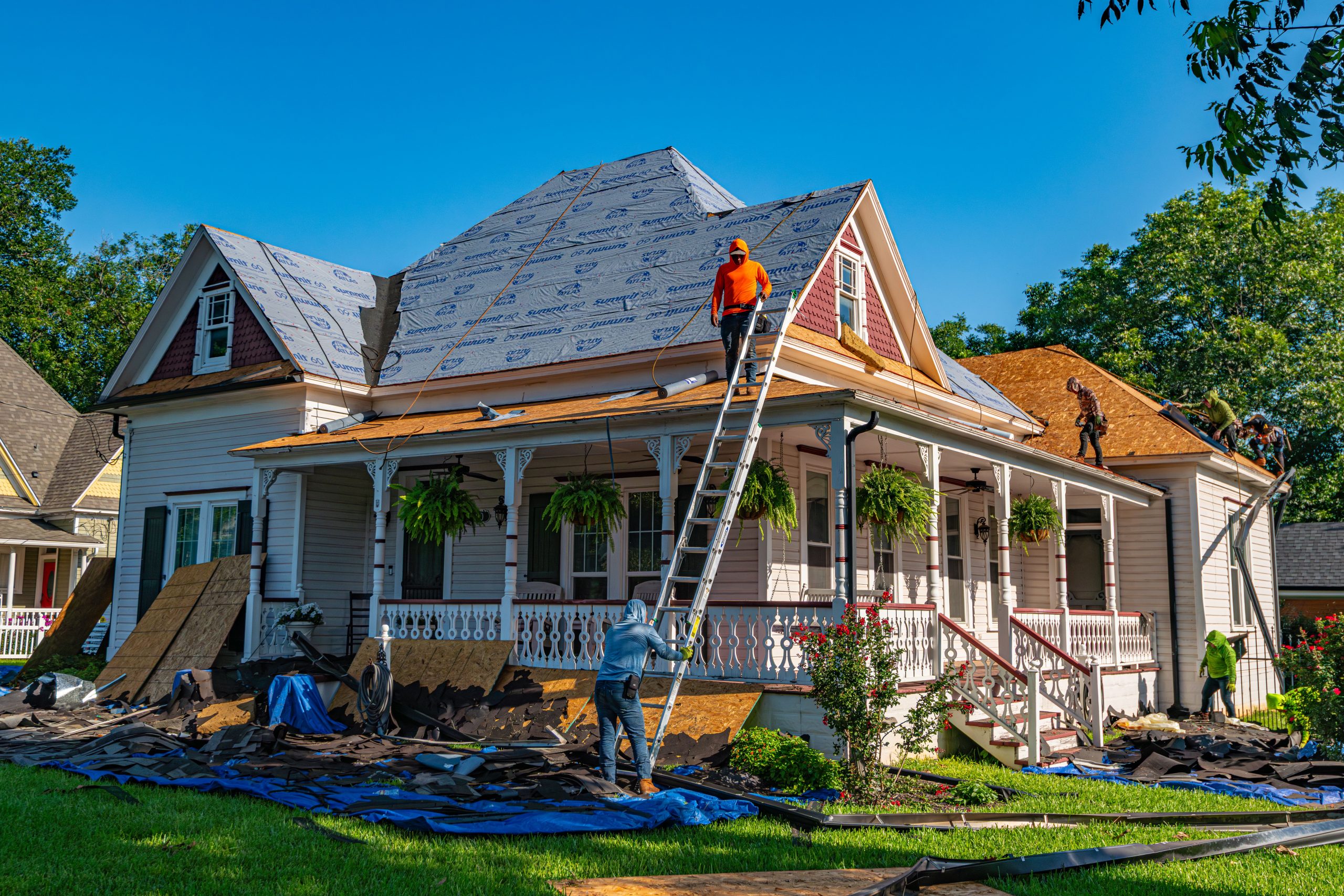
Several details can influence the final price of a roof cleaning project. Understanding these factors helps you compare estimates and avoid surprises.
Roof size: Larger roofs usually cost more to clean because they require additional labor, cleaning products, and time. Contractors may estimate the area based on the roof’s actual surface rather than the home’s floor area.
Roof slope and height: Steep roofs and multistory homes can be harder to access. Contractors may need extra safety equipment, specialized tools, or additional workers, which can increase the cost.
Roofing material: Asphalt shingles, metal, clay tile, concrete tile, and slate have different cleaning requirements. A method that works for one material may damage another. Fragile or specialty materials may require more careful handling.
Amount of buildup: Light dirt and algae are usually easier to treat than thick moss, lichen, or layers of accumulated debris. Heavy growth may require additional treatments or more than one visit.
Location and accessibility: Local labor rates, travel distance, nearby trees, and limited access can affect the price. Homes surrounded by dense landscaping may also require extra care to protect plants and outdoor surfaces.
Before hiring a cleaner, ask what is included in the estimate. Confirm whether the price covers inspection, debris removal, cleaning, rinsing, protective measures, and cleanup.
3. How Much Does DIY Roof Cleaning Cost?
Cleaning your own roof may appear to be the cheapest option because you do not have to pay for professional labor. However, the total cost includes more than a bottle of cleaner and a garden hose.
For light maintenance, homeowners might spend around $30 to $150 on basic supplies, depending on what they already own. Items may include a suitable roof-cleaning product, gloves, eye protection, a garden hose, and tools for removing debris from the ground.
If you need to buy a ladder, specialized equipment, or additional safety gear, the cost can rise quickly. Renting equipment may also add to the expense. More importantly, having the right equipment does not automatically make roof work safe.
DIY cleaning makes the most sense for tasks that can be done safely from the ground, such as removing loose leaves from accessible areas with an appropriate extension tool or checking for visible buildup. You can also trim small branches within safe reach to reduce the amount of debris falling onto the roof.
Avoid walking on the roof or using improvised methods to reach difficult areas. Wet roofing materials can become extremely slippery, and cleaning chemicals may increase the risk of a fall. If the job requires climbing onto a steep roof, handling heavy moss, or working near power lines, hiring a professional is usually the safer choice.
4. What Are the Risks of Cleaning a Roof Yourself?
The biggest risk of DIY roof cleaning is falling. Even a low roof can cause serious injuries, and steep slopes, wet surfaces, loose shingles, and algae-covered areas make footing less reliable.
There are also risks to the roof itself. Using too much pressure, harsh chemicals, or abrasive tools can damage shingles, loosen protective granules, force water beneath roofing materials, or harm protective coatings. Some cleaning products may also discolor metal, affect nearby surfaces, or damage plants if they are not used correctly.
Another concern is missing signs of damage. A homeowner focused on removing stains may overlook cracked shingles, loose flashing, or weak roof decking. Cleaning over a problem without identifying its cause may allow water to enter the home later.
Chemical handling requires care, too. Follow product instructions, wear the required protective equipment, and never mix cleaning products unless the label specifically permits it. Certain combinations can release dangerous fumes. Protect nearby plants and keep runoff away from areas where it could cause harm.
For these reasons, DIY cleaning should be limited to safe, manageable maintenance. If you are unsure about the roof’s condition or the correct cleaning method, arrange an inspection before starting work.
5. How Much Does Professional Roof Cleaning Cost?
Professional roof cleaning usually costs more than DIY maintenance because the price includes labor, equipment, insurance, cleaning products, and safe access to the roof. As a broad estimate, a standard residential job may cost around $300 to $900, while difficult or heavily soiled roofs can cost more.
Some companies charge by the square foot, with rates often ranging from approximately $0.20 to $0.60 per square foot. This is only a rough guide; pricing methods and local rates differ, and some jobs may fall outside that range.
A professional may begin with a roof inspection to identify the material, level of buildup, and any existing damage. The contractor then chooses a cleaning method that suits the roof and explains any limits or risks.
Ask whether the estimate includes treating algae or moss, removing loose debris, cleaning up the property, and protecting landscaping. Find out whether a follow-up treatment is included or charged separately.
Professional cleaning can be especially worthwhile for steep roofs, multistory homes, fragile roofing materials, or heavy moss growth. The additional cost may be justified by safer access, proper equipment, and a lower chance of accidental damage when the work is done correctly.
6. Which Roof Cleaning Methods Do Professionals Use?
The best cleaning method depends on the roofing material and the type of buildup. Not every roof should be cleaned in the same way.
Soft washing: This method uses low-pressure water and a suitable cleaning solution to treat algae and other surface growth. It is often used on asphalt shingles because high-pressure washing can damage their protective granules. The cleaning solution must still be appropriate for the material and applied according to product directions.
Low-pressure rinsing: Some roof types can be cleaned with controlled, low-pressure water to remove dirt and residue. The correct pressure depends on the roofing material and its condition.
Manual debris removal: Loose leaves and branches may be removed with suitable tools. Moss and lichen require extra care because scraping or pulling them off aggressively can damage the roof surface.
Specialized treatments: Some contractors apply products designed to control algae or slow future growth. Ask how the treatment works, whether it is suitable for your roof, and how long the results are expected to last.
High-pressure washing is not suitable for every roof and can cause serious damage when used incorrectly. A contractor should explain the planned method before work begins and confirm that it is appropriate for your roofing material.
7. DIY vs. Professional Roof Cleaning: Which Is Better?
The right choice depends on your budget, the condition of your roof, and the type of cleaning required.
DIY maintenance may be suitable when the task involves light debris removal from the ground or other work that does not require climbing. If you already own the necessary supplies, the direct cost may be low. However, you must still consider the time involved and the risk of damaging the roof.
Professional cleaning is usually the better option for steep roofs, heavy moss or algae, difficult access, and delicate materials. A qualified contractor has experience choosing suitable methods and can often identify damage that needs attention before cleaning begins.
Think about the total cost rather than the initial price alone. A DIY mistake can lead to damaged shingles, leaks, or injury. On the other hand, hiring a professional for a simple ground-level maintenance task may not be necessary.
If you are comparing options, request several written estimates and ask each provider to describe the work. Check reviews, experience with your roofing material, and insurance coverage. The cheapest quote is not always the best value if it leaves out important safety measures or cleanup.
8. How to Choose a Reliable Roof Cleaning Contractor
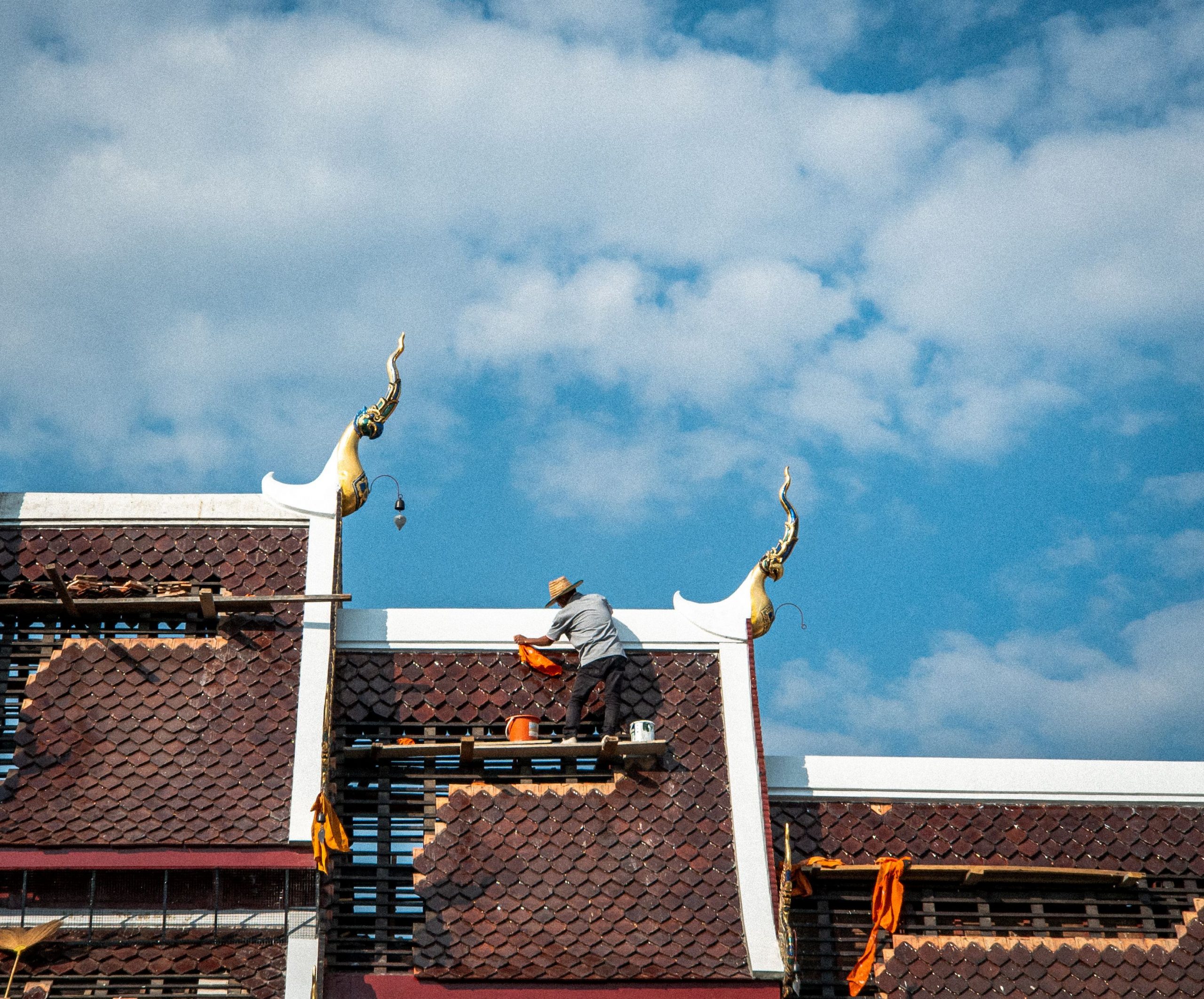
Choosing the right provider can help protect your roof and reduce the chance of unexpected expenses. Start by looking for contractors with experience cleaning your specific roofing material. Ask for proof of insurance and confirm any licensing requirements that apply in your area.
A useful exterior contractor hiring guide should encourage homeowners to compare more than price. Review the scope of work, cleaning products, safety practices, property protection, and warranty terms before signing an agreement.
Ask the contractor these questions:
- What cleaning method will you use, and why is it suitable for my roof?
- Will you inspect the roof for existing damage before cleaning?
- How will you protect plants, siding, windows, and outdoor surfaces?
- Does the quote include cleanup and any follow-up treatment?
- Are you insured, and can you provide references or examples of similar work?
Get the estimate in writing and make sure it lists any extra charges that could apply. Be cautious of providers who pressure you to sign immediately or promise results without inspecting the roof.
A reliable contractor should explain the process in clear language and tell you if cleaning is not the right solution. For example, a roof with failing shingles or significant structural damage may need repairs before any cleaning takes place.
9. How Often Should You Clean Your Roof?
Most homes do not need their roofs cleaned every year. The right schedule depends on the roofing material, local climate, tree cover, and how quickly algae or moss develops.
Homes in humid areas or shaded locations may develop algae and moss more quickly. Properties surrounded by trees may also collect leaves and twigs that need regular attention. In drier climates, the roof may need less frequent cleaning.
Instead of scheduling cleaning automatically, inspect the roof from the ground periodically and look for visible buildup, blocked drainage, or changes in appearance. After severe weather, check for fallen branches and other debris.
Remove leaves from accessible gutters as needed and keep nearby branches trimmed when it is safe to do so. These simple habits can reduce moisture buildup and help protect the roof.
If you notice dark streaks, moss, or lichen, ask a roofing professional whether cleaning is necessary. Some discoloration may be mostly cosmetic, while thick growth can hold moisture and contribute to damage. A professional can help you decide whether cleaning, treatment, repair, or simply monitoring the roof is the best option.
10. How to Keep Roof Cleaning Costs Under Control
Regular maintenance can help you avoid expensive cleaning jobs. Removing loose debris before it builds up, keeping gutters clear, and trimming nearby branches can reduce the amount of material collecting on your roof.
Address small roofing problems promptly. A loose shingle or damaged flashing may allow water to enter and create additional problems if ignored. However, do not attempt repairs on steep or damaged roof surfaces just to save money.
When comparing cleaning quotes, make sure each contractor is pricing the same services. One estimate may include gutter cleaning and algae treatment, while another covers only a basic roof wash. Comparing identical tasks gives you a clearer picture of the value offered.
You can also ask whether the contractor offers maintenance plans or discounts for combining related services. Make sure any bundled work is actually needed and that the price remains reasonable.
If the contractor recommends repairs, ask for a separate estimate and an explanation of why they are necessary. Good professional roofing guidance can help you distinguish routine cleaning from work needed to protect the roof’s structure and performance.
Conclusion
Roof cleaning can cost a few dozen dollars for basic DIY supplies or several hundred dollars for a professional service. The final price depends on roof size, slope, material, accessibility, and the amount of dirt, moss, or algae that needs to be removed.
DIY maintenance can save money when it involves safe tasks performed from the ground. However, climbing onto a roof or using unsuitable cleaning methods can lead to injuries and expensive damage. For steep roofs, heavy buildup, or delicate materials, a qualified professional is often the better investment.
Before choosing a cleaning method, assess the roof’s condition, compare written estimates, and ask contractors how they will protect your roofing materials. Regular inspections, clear gutters, and prompt attention to small problems can help keep your roof in good condition and reduce the need for costly cleaning or repairs over time.