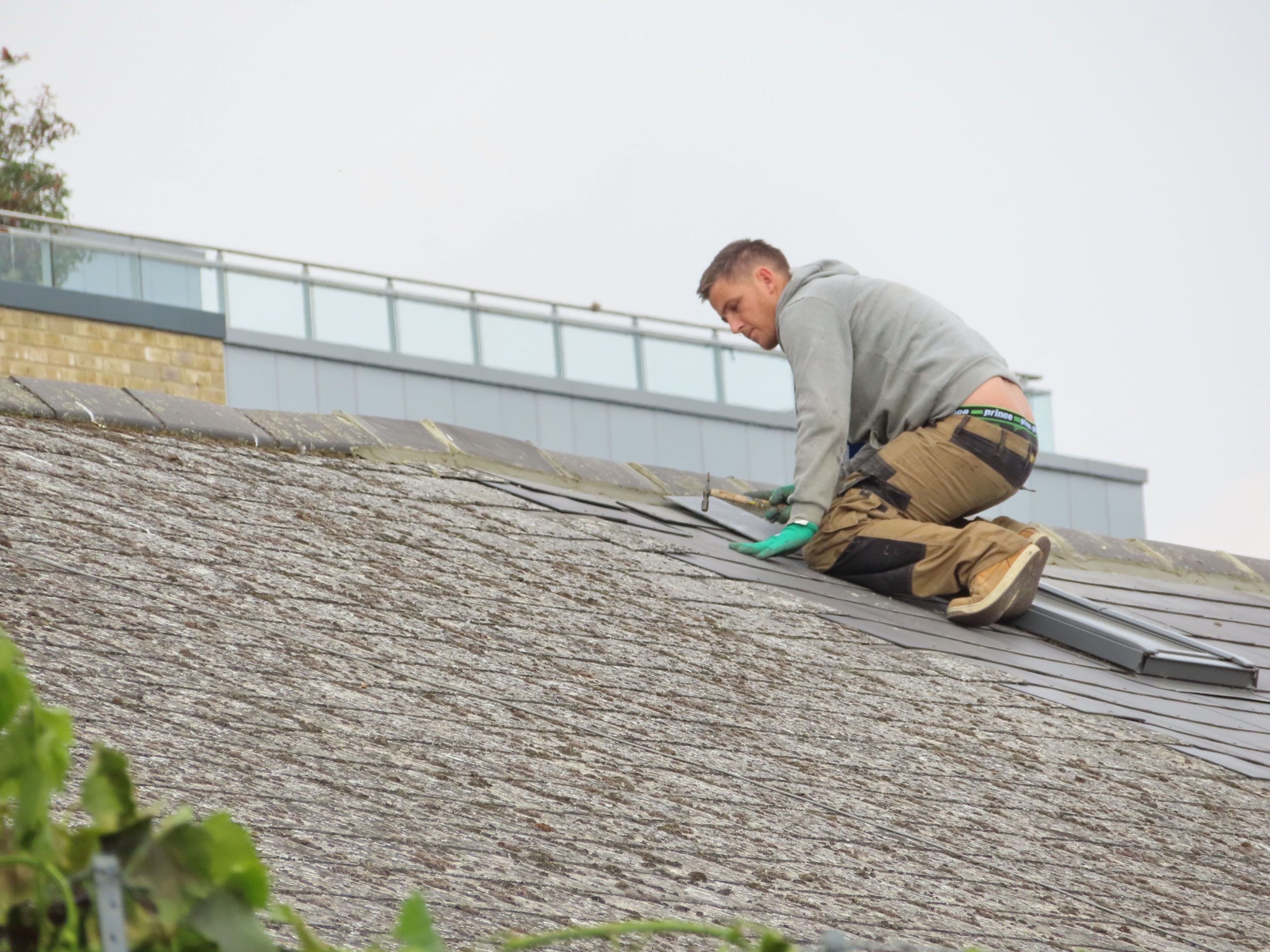
Extend Your Roof’s Lifespan With This Roofing Maintenance Checklist

Key Takeaways
-
Inspect your roof regularly from the ground to spot missing shingles, loose materials, and visible damage before they become costly problems.
-
Clean gutters and downspouts to help rainwater drain properly and prevent water from backing up under roofing materials.
-
Check shingles, flashing, roof openings, and seals for cracks, gaps, or wear that could allow water to enter your home.
-
Look inside the attic for water stains, damp insulation, mold, and other signs of leaks or poor ventilation.
-
Trim overhanging tree branches and remove roof debris to reduce damage from falling limbs, moisture, and excess buildup.
-
Schedule professional roof inspections, especially after severe weather or when you notice signs of damage.
-
Keep a record of inspections, repairs, and warranties to monitor your roof’s condition and plan future maintenance costs.
Your roof protects your home from rain, wind, sunlight, and changing temperatures. However, constant exposure to the weather can slowly wear down roofing materials. Small problems, such as loose shingles, damaged flashing, or clogged gutters, may seem harmless at first. If left untreated, they can lead to leaks, water damage, and costly repairs.
The good news is that you can help your roof last longer by checking its condition and addressing minor issues early. You do not need to inspect every part of your roof yourself. Many useful maintenance tasks can be completed from the ground, while qualified roofing professionals can handle areas that require climbing or specialized equipment.
A simple checklist can help you keep track of your roof’s condition throughout the year. From cleaning gutters to checking the attic for signs of moisture, these practical steps can help protect your home and reduce the risk of unexpected repairs.
1. Inspect Your Roof From the Ground
One of the easiest ways to begin roof maintenance is to look at your roof from the ground. You may notice visible damage without needing to climb a ladder or walk across roofing materials. Use binoculars if necessary, and inspect the roof from different sides of your property.
Look for changes that may indicate a problem. Missing shingles, uneven roof sections, loose materials, and damaged edges deserve attention. After strong winds or severe storms, check for debris and other signs of damage.
During a ground-level inspection, look for:
- Missing or lifted shingles
- Uneven or sagging roof sections
- Damaged roof edges
- Loose or displaced roofing materials
- Debris resting on the roof
- Visible damage around vents or chimneys
Do not climb onto a roof to investigate a problem if you lack the proper training and safety equipment. Wet, steep, or damaged roofs can be especially dangerous. Contact a qualified roofing professional if you notice anything concerning.
2. Clean Gutters and Downspouts

Gutters help direct rainwater away from your roof, walls, and foundation. When leaves, twigs, dirt, and other debris block them, water may overflow or collect near the roof edge. Over time, poor drainage can contribute to water damage and wood decay.
Check your gutters regularly, especially after storms or during seasons when nearby trees drop leaves. The right cleaning schedule depends on your surroundings. Homes near large trees may need more frequent attention than properties with fewer overhanging branches.
Your gutter maintenance checklist should include:
- Removing leaves and loose debris
- Checking for blocked downspouts
- Looking for loose gutter sections
- Inspecting joints for leaks
- Checking whether water flows away from the house
Use appropriate safety equipment and avoid leaning a ladder against unsupported gutters. If the roofline is high or access is difficult, hire a professional. Keeping drainage systems clear helps protect both the roof and the rest of the home.
3. Check Shingles for Wear and Damage
Shingles form a protective layer that helps keep water out of your home. Depending on the material and local climate, they may gradually crack, curl, loosen, or lose protective granules.
Look for visible changes during your ground inspection. Asphalt shingles may show bald-looking areas, excessive granule loss, curling edges, or missing sections. Other roofing materials have different warning signs, so follow the manufacturer’s guidance for your roof type.
Common signs of shingle damage include:
- Cracked or curled shingles
- Missing pieces
- Loose or lifted edges
- Granules collecting in gutters
- Dark patches or unusual discoloration
Do not assume that every color change means your roof needs replacement. Dirt, algae, and normal aging can affect appearance without indicating the same level of damage.
If you find several damaged areas or signs of a leak, arrange a professional inspection. Prompt repairs can prevent water from reaching the roof deck, insulation, and interior ceilings.
4. Inspect Flashing Around Roof Openings
Flashing is the material used to help seal joints and transitions where water could enter. It is often installed around chimneys, skylights, vents, roof valleys, and places where the roof meets a wall.
Because these areas interrupt the main roofing surface, they can become weak points if the flashing is damaged or installed incorrectly. Even a small gap may allow water to enter during heavy rain.
Check for visible signs such as:
- Loose or bent metal
- Cracked sealant where appropriate
- Rust or corrosion
- Gaps around roof openings
- Water stains inside the home near these areas
Flashing systems vary by roof design and material. Sealant alone is not always a proper repair, and covering a damaged joint with more sealant may only hide the problem temporarily.
If flashing appears loose, damaged, or poorly sealed, ask a qualified roofer to evaluate it. Correct repairs can help prevent leaks around some of the roof’s most vulnerable areas.
5. Look for Moss, Algae, and Other Growth
Moss and algae can develop on roofs in damp, shaded areas. Algae often appears as dark streaks, while moss may form thick green patches that hold moisture against roofing materials.
Not every dark streak indicates serious roof damage. However, heavy moss growth can trap moisture, interfere with water drainage, and sometimes lift shingles as it grows. Branches that shade the roof and prevent it from drying may make the problem worse.
To manage roof growth safely:
- Check shaded roof sections from the ground.
- Remove debris that keeps areas damp when safely accessible.
- Trim suitable overhanging branches.
- Ask about cleaning methods approved for your roofing material.
- Avoid harsh pressure washing unless the manufacturer specifically permits it.
Pressure washing can damage shingles and force water into areas where it does not belong. Some chemical cleaners can also harm plants, gutters, or nearby surfaces.
For widespread growth or a steep roof, hire a professional who understands the correct cleaning method for your roof type.
6. Trim Trees Near the Roof
Trees provide shade and improve the appearance of a property, but branches that extend over the roof can create maintenance problems. During storms, branches may break and strike roofing materials. Leaves and small twigs can also collect in gutters and roof valleys.
Inspect trees around the home for branches that touch the roof or hang close enough to scrape against it in strong winds. Consider whether nearby trees are healthy and whether dead branches could fall during severe weather.
Tree care can help reduce roof-related risks by:
- Removing dead or damaged branches
- Reducing contact between branches and roofing
- Limiting leaf buildup in gutters
- Improving airflow and sunlight around the roof
- Reducing the chance of falling debris
Do not cut large branches near power lines or attempt difficult tree work without proper training. A qualified tree-care professional can assess hazardous limbs and determine the safest way to remove them.
7. Check the Attic for Leaks and Moisture
Some roof problems are easier to spot from inside the home than from outside. Your attic can reveal signs of water entering through the roof, even when the leak is not visible from the ground.
When it is safe to enter the attic, look for water stains, damp insulation, dark marks on wood, or a musty smell. Check for daylight entering through places where it should not be visible, while remembering that some roof designs have intentional ventilation openings.
Look for these warning signs:
- Brown or yellow stains on wood
- Wet or compressed insulation
- Visible mold or mildew
- Water dripping after rainfall
- Musty odors
- Damaged roof decking
Be careful when moving through an attic. Step only on secure walking surfaces or joists designed to support your weight, and avoid touching electrical wiring or damaged materials.
If you find moisture, investigate the cause rather than simply drying the affected area. A roofer may need to locate a leak, while a ventilation or moisture problem may require additional work.
8. Maintain Proper Roof Ventilation
Roof ventilation helps manage heat and moisture in the attic. Depending on the home’s design and climate, poor ventilation may contribute to moisture buildup, higher cooling demand, and reduced comfort.
Check that accessible vents are not blocked by leaves, nests, insulation, or other debris. Look for signs of moisture in the attic and pay attention to persistent condensation or unusually high indoor humidity.
Important areas to review include:
- Soffit vents
- Ridge vents
- Gable vents
- Attic exhaust vents
- Insulation near ventilation openings
Do not block ventilation openings simply to keep out cold air or reduce drafts. A home’s ventilation system should be designed to work with its insulation and air-sealing system.
Ventilation needs vary by roof design and local building requirements. If you are unsure whether your attic has adequate airflow, consult a qualified roofing or building professional before making changes.
9. Review Roof Drainage After Heavy Rain
Rain can reveal drainage problems that are not obvious during dry weather. After a storm, observe how water moves through gutters and downspouts from a safe location.
Pay attention to overflowing gutters, water spilling over unusual areas, and puddles forming near the foundation. Also watch for water collecting in roof valleys or behind debris, where it may interfere with proper drainage.
After heavy rain, check for:
- Blocked or overflowing gutters
- Loose downspouts
- Water stains near roof edges
- New attic moisture
- Debris trapped in roof valleys
- Pooling water around the home
Do not climb onto a wet roof to investigate standing water. If you suspect a drainage issue on a flat or low-slope roof, have a professional assess it.
Proper drainage helps move water away from roofing materials and the building structure. Fixing drainage problems early may reduce the chance of leaks and related repairs.
10. Check Roof Seals and Penetrations
Many roofs have openings for plumbing vents, exhaust fans, skylights, antennas, and other equipment. Each opening must be sealed and flashed correctly to limit water entry.
Over time, certain seals and roofing components may deteriorate because of sunlight, temperature changes, and normal aging. Check visible areas for cracked materials, loose fittings, or gaps around roof penetrations.
During an inspection, pay attention to:
- Plumbing vent boots
- Skylight edges
- Exhaust vent covers
- Antenna mounting points
- Sealant around appropriate joints
Avoid applying new sealant to every visible joint as a routine maintenance measure. Some roofing systems rely on specific flashing designs, and unnecessary sealant may hide damage or interfere with drainage.
If you notice a loose vent cover, cracked boot, or gap around an opening, have it checked. Repairs should use materials suited to the roofing system and installed according to manufacturer instructions.
11. Schedule Professional Roof Inspections

Homeowners can spot many visible warning signs, but a professional inspection can identify issues that are difficult to see from the ground. A roofer may check flashing, shingles, drainage, roof penetrations, and other areas that require closer examination.
How often your roof needs professional attention depends on its age, material, condition, and exposure to severe weather. An older roof or a roof that has experienced storm damage may need more frequent evaluation.
When choosing a professional, consider these steps:
- Verify licensing where required.
- Confirm appropriate insurance.
- Ask about experience with your roofing material.
- Request a written inspection report.
- Obtain written estimates for recommended repairs.
Be cautious of contractors who pressure you to sign immediately or promise insurance coverage without inspecting the damage. Ask questions and compare estimates when practical.
Professional inspections can help you understand the condition of your roof and prioritize repairs based on safety, urgency, and cost.
12. Keep a Roof Maintenance Record
A maintenance record makes it easier to track changes over time. Without notes or photos, you may forget when repairs were completed or whether a small problem has grown.
Create a simple file for roof inspections, repairs, warranties, and receipts. Take photographs from safe locations whenever you notice visible changes. Keep records of storm damage and any work performed by contractors.
Your maintenance record can include:
- Inspection dates
- Visible damage
- Repair details
- Contractor information
- Warranty documents
- Roof installation or replacement date
This information can help you plan future expenses and explain previous problems to a roofing professional.
A written record is especially useful when buying or selling a home, reviewing warranty coverage, or deciding whether repeated repairs are still worthwhile.
13. Build a Seasonal Roof Maintenance Routine
A consistent schedule makes roof care easier to manage. Instead of waiting for a leak, divide maintenance tasks throughout the year and adjust them to your climate and surroundings.
For example, inspect gutters more often when nearby trees shed leaves. After severe storms, check for visible damage and look inside the attic for signs of moisture. Before a season of heavy rain, make sure drainage systems are clear.
A simple routine may include:
- Monthly or as needed: Look for visible changes from the ground.
- Seasonally: Check gutters, downspouts, and nearby trees.
- After severe weather: Look for damage and signs of leaks.
- Annually or as recommended: Arrange a professional inspection based on roof condition.
- After repairs: Review the work and keep documentation.
The exact schedule will depend on your property and local weather. The important thing is to notice changes early and avoid putting off necessary repairs.
Protect Your Roof With Consistent Care
A roof can last for many years, but its service life depends on the roofing material, installation quality, weather exposure, and ongoing care. Regular roof maintenance helps homeowners identify small issues before they lead to more serious damage.
Start with safe ground-level inspections, clear drainage systems, check the attic for moisture, and keep trees from damaging roofing materials. When you notice missing shingles, damaged flashing, or signs of a leak, arrange a professional evaluation instead of waiting for the problem to spread.
Keep these priorities in mind:
- Check for visible damage regularly.
- Keep gutters and downspouts clear.
- Look for moisture inside the attic.
- Address drainage and ventilation concerns.
- Schedule professional inspections when needed.
- Keep records of repairs and warranties.
Following a checklist can make roof care less overwhelming and help you plan maintenance costs more effectively. It also gives you a clearer picture of your roof’s condition as it ages.
If you need help with a specific problem, use expert roof maintenance tips from a qualified roofing professional who understands your roof type and local weather conditions. Avoid unsafe do-it-yourself repairs, especially on steep or damaged surfaces.
With careful inspections, timely repairs, and a realistic maintenance schedule, you can help protect your home, reduce the risk of leaks, and get the most useful life from your roof.