10 Sustainable Roofing Options Worth Considering for Your Next Upgrade

Key Takeaways
-
Metal roofing made from recycled materials offers durability, recyclability, and potential energy savings, making it a practical long-term investment.
-
Clay, concrete, and slate tiles can last for decades, reducing the need for frequent roof replacements, but their weight may require additional structural support.
-
Recycled asphalt shingles, reclaimed wood, and recycled rubber can help reduce material waste, though their durability and environmental benefits vary by product.
-
Cool roofs reflect more sunlight and can help lower indoor temperatures and cooling costs, especially in warm, sunny climates.
-
Green roofs absorb rainwater, support local wildlife, and may improve insulation, but they require proper drainage, waterproofing, and structural planning.
-
Solar roofing tiles and shingles generate renewable electricity, potentially lowering energy bills, but installation costs and sunlight exposure should be considered.
-
Compare durability, installation costs, energy performance, maintenance needs, and local climate conditions before choosing a sustainable roofing system.
Choosing a new roof is an important home improvement decision. The right roofing system can protect your home from harsh weather, improve energy efficiency, and reduce the amount of waste sent to landfills. If you want to make your next upgrade more environmentally friendly, sustainable roofing materials are worth considering.
Sustainable roofing goes beyond choosing products made from recycled materials. It also involves considering how long a roof will last, how much energy it can save, and whether its materials can be reused or recycled when the roof reaches the end of its life. A durable roof that requires fewer replacements can reduce both long-term costs and environmental impact.
However, not every roofing option works well for every home. Your local climate, roof design, budget, and maintenance needs all affect which material makes the most sense. Here are 10 sustainable roofing options to consider before planning your next roof upgrade.
1. Metal Roofing Made From Recycled Materials
Metal roofing is a popular sustainable option because it is durable, lightweight, and often recyclable. Many metal roofing products contain recycled steel or aluminum, which helps reduce the need for new raw materials. At the end of their useful life, many metal panels can also be recycled instead of sent to a landfill.
A well-installed metal roof can last 40 to 70 years or longer, depending on the material, coating, climate, and maintenance. Its smooth surface also allows rainwater to drain easily when the roof has the proper slope. Some metal roofs work well with rainwater collection systems, although the finish and any contaminants should be considered before using collected water.
Metal roofing can reflect more sunlight than some traditional dark roofing materials, especially when it has a reflective finish. This can help reduce cooling needs in warm climates. However, metal roofing may cost more upfront than basic asphalt shingles. Compare the expected lifespan, installation costs, and available warranties before making a decision.
2. Recycled Asphalt Shingles
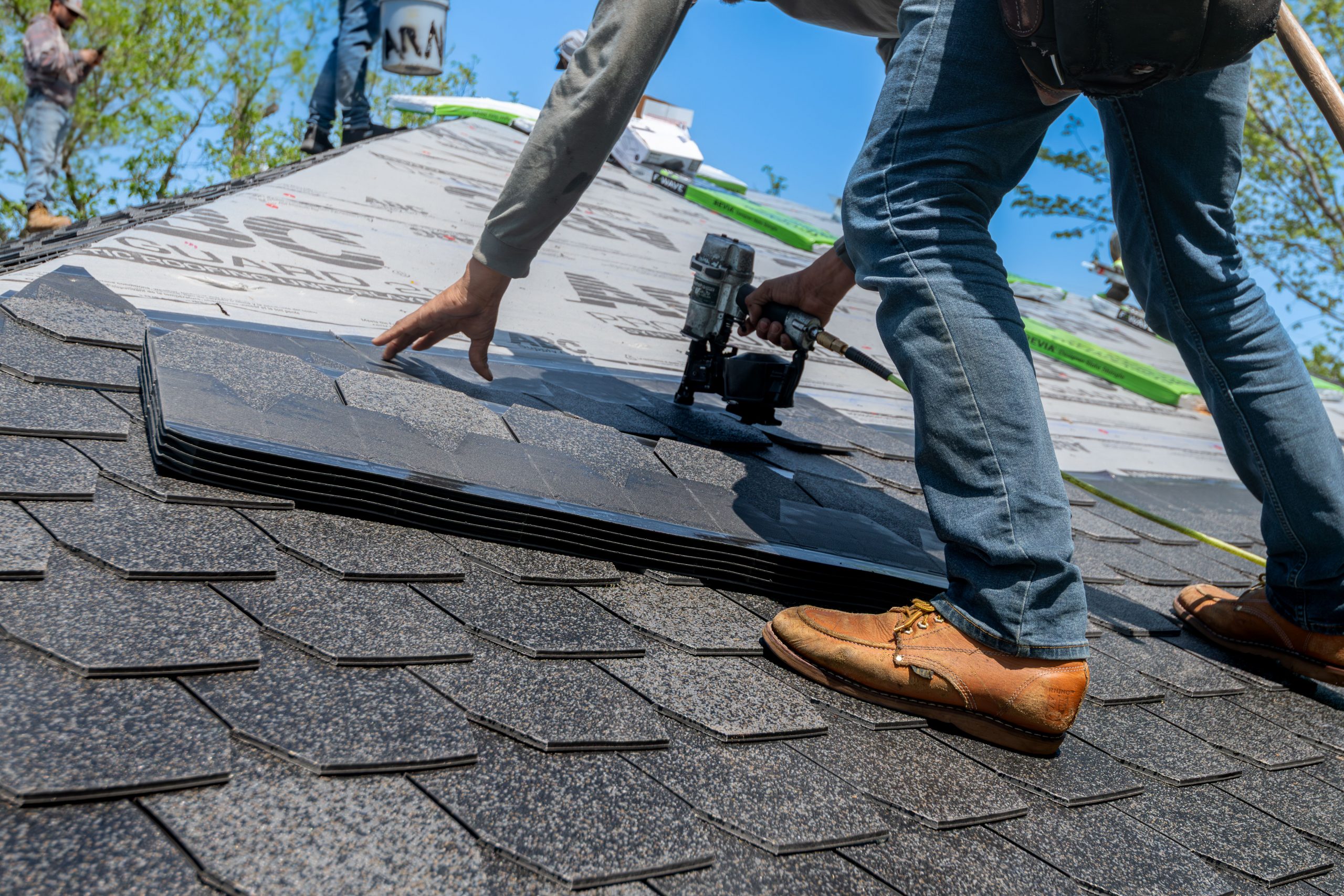
Traditional asphalt shingles are widely used because they are affordable and available in many colors and styles. Recycled asphalt shingles offer a more environmentally conscious alternative by incorporating recovered materials into new roofing products.
Depending on the manufacturer and product design, these shingles may contain recycled roofing waste or other reclaimed materials. Using recycled content can help reduce the demand for virgin resources. Some recycling programs also process old shingles for use in road construction, although availability varies by location and local regulations.
One advantage of recycled asphalt shingles is that they look similar to many standard shingles, making them suitable for homeowners who want a familiar appearance. They may also fit existing roof designs without major changes. Still, their lifespan and environmental benefits depend on the specific product. Check the recycled content, expected service life, and local recycling options before choosing this material.
3. Clay Roof Tiles
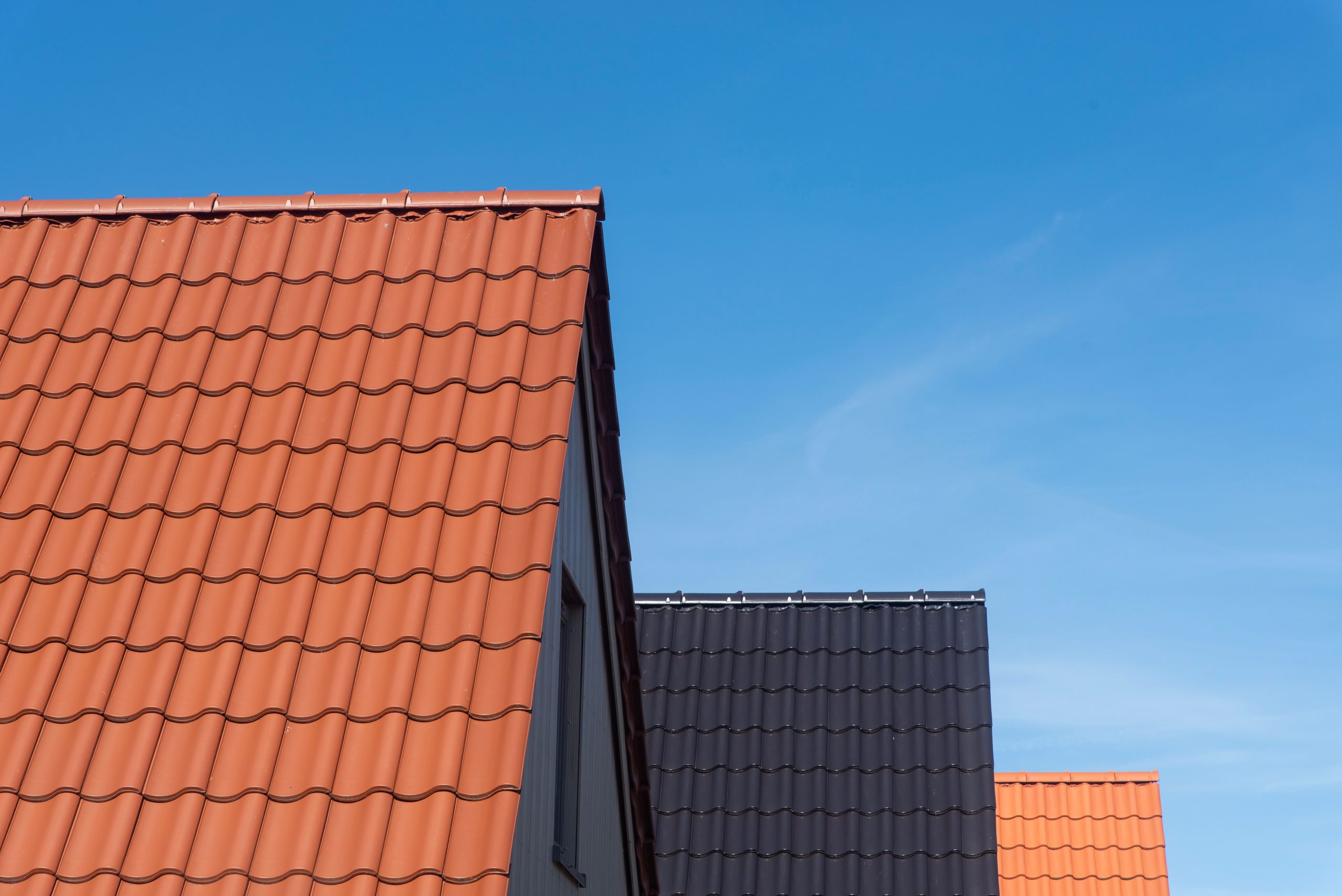
Clay roof tiles are made from natural clay that is shaped and fired at high temperatures. They are known for their long service life, distinctive appearance, and resistance to rot and insect damage. With proper installation and care, clay tiles can last 50 to 100 years or longer.
Their durability is one of their main environmental advantages. A roof that lasts for decades may need fewer replacements, reducing material use and construction waste over time. Clay tiles can also provide some thermal benefits by creating space beneath the tiles where air can move, depending on the roofing system’s design.
However, manufacturing clay tiles requires substantial heat, which uses energy. The tiles are also heavy, so your home’s structure must be able to support their weight. Clay roofing is often more expensive to install than asphalt shingles and may crack if struck by falling branches or walked on improperly. It is especially worth considering in warm climates and homes with suitable structural support.
4. Concrete Roof Tiles
Concrete roof tiles are another long-lasting option for homeowners who want a durable roofing system. They are made from cement, sand, water, and other ingredients, then formed into tiles that can resemble clay, slate, or wood. Their varied shapes and colors make them suitable for many architectural styles.
Concrete tiles can last around 40 to 75 years or longer when installed correctly and maintained well. Their mass can help slow heat transfer through the roof, although actual performance depends on insulation, ventilation, color, and roof construction. Some products also include recycled materials, so it is worth checking manufacturer specifications.
The main drawback is weight. Like clay tiles, concrete tiles may require additional structural support, increasing project costs. Cement production also creates significant carbon emissions, so concrete roofing is not automatically the greenest choice. Look for durable products with verified recycled content and consider the expected lifespan when comparing options.
5. Slate Roofing
Slate is a natural stone that can provide exceptional durability. It is cut into thin pieces and installed as overlapping roof tiles. High-quality slate roofs can last 75 to 100 years or even longer, making them one of the longest-lasting roofing options available.
Because slate is a natural material, it does not require the same manufacturing process as many synthetic roofing products. Its long lifespan can also reduce the need for frequent replacement. If individual tiles become damaged, they can often be replaced without removing the entire roof.
However, slate is heavy and expensive. Installation requires experienced roofers who understand how to handle the material and secure it correctly. Transportation can also add to its environmental footprint, especially when the stone comes from far away. Before choosing slate, confirm that your roof can support the load and compare locally available products to reduce transportation impacts where possible.
6. Reclaimed Wood Shingles and Shakes
Reclaimed wood shingles and shakes offer a natural look while giving existing materials another use. They may be made from recovered timber from older buildings or other suitable sources. Reusing wood can reduce demand for newly harvested timber and keep usable materials out of landfills.
Wood roofing can provide a warm, traditional appearance that works well with certain home styles. Its environmental value depends on where the wood comes from, how it was treated, and how much processing it requires. Choosing reclaimed wood from a reliable supplier can help you understand its origin and condition.
Wood roofing does require more attention than some alternatives. Moisture, insects, rot, and fire can shorten its service life if the roof is not properly designed and maintained. Local building codes may restrict wood roofing in wildfire-prone areas. If you choose this option, check fire ratings, use suitable treatments when allowed, and make sure the roof has proper drainage and ventilation.
7. Cool Roof Systems
Cool roofs are designed to reflect more sunlight and release absorbed heat more effectively than conventional roofing surfaces. They can be made from reflective shingles, coated metal panels, special tiles, or membranes designed for low-slope roofs.
By keeping the roof surface cooler, these systems can reduce the amount of heat entering a home during hot weather. This may lower air-conditioning use, improve indoor comfort, and reduce energy bills. The benefits are often greatest in sunny climates and homes with high cooling demands.
A cool roof is not a single material, so performance depends on the product and how it is installed. Reflective coatings may need to be reapplied, and dirt or weathering can affect their performance over time. In colder climates, a highly reflective roof may reduce useful solar heat in winter, although insulation and other factors also affect energy use. Compare products based on tested reflectance, durability, climate suitability, and maintenance needs.
8. Green Roofs With Living Plants
A green roof supports vegetation over a waterproof roofing system. Depending on its design, it may include a root barrier, drainage layer, growing medium, and plants suited to the local climate. Extensive green roofs use relatively shallow growing layers and low-maintenance plants, while intensive systems can support deeper soil and a wider range of vegetation.
Green roofs can absorb some rainwater, reduce stormwater runoff, and provide habitat for insects and other wildlife. They may also help limit heat buildup in urban areas and improve insulation in some conditions. With proper planning, a green roof can turn an unused roof surface into a useful outdoor feature.
However, green roofs need careful engineering. The structure must support the added weight of the growing medium, plants, and retained water. The waterproofing system must be reliable, and drainage must prevent water from collecting where it could cause damage. Installation costs can be high, and plants need care. Consult qualified design professionals to determine whether your roof can support this type of system.
9. Solar Roofing Tiles and Shingles
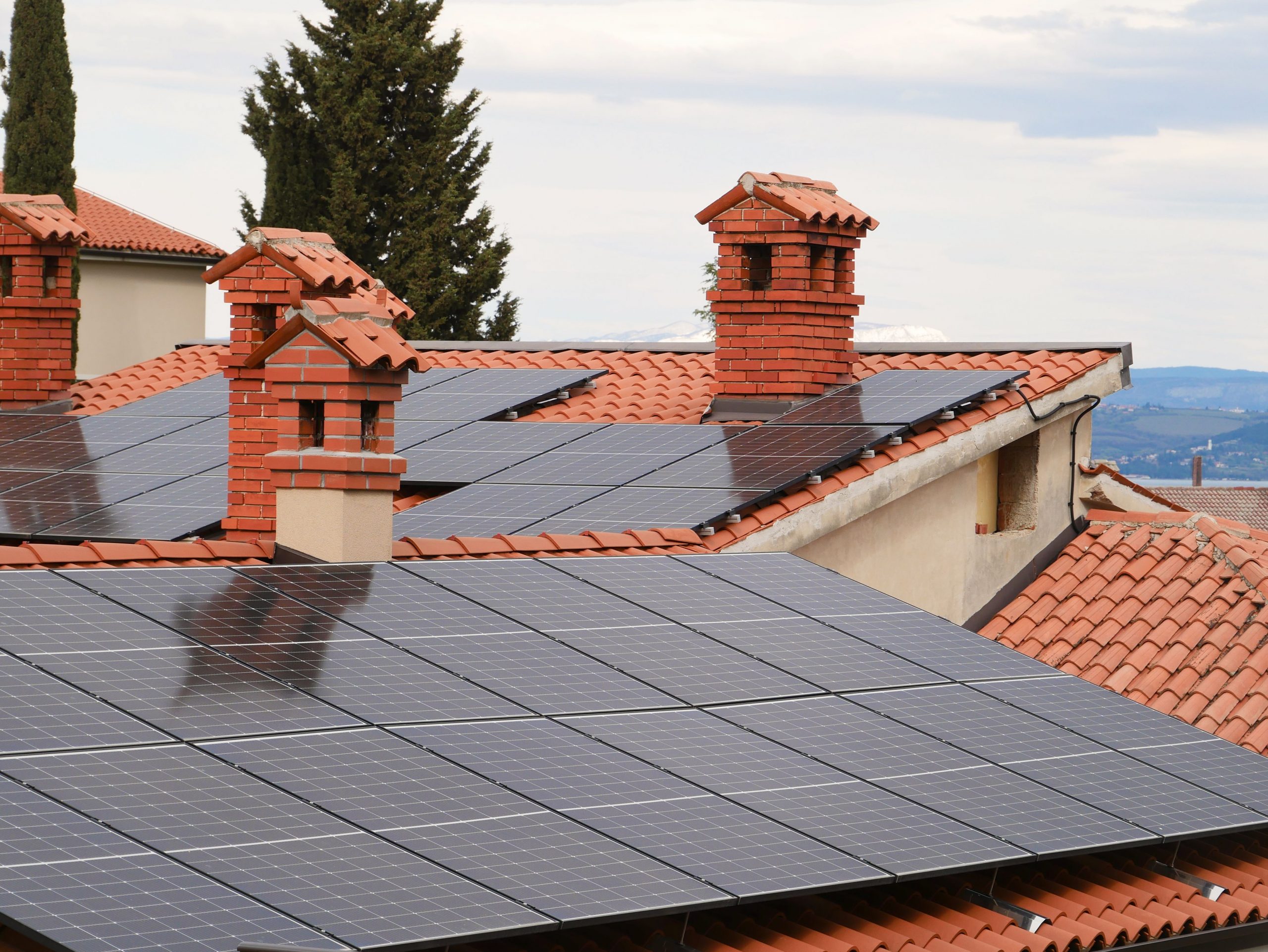
Solar roofing tiles and shingles combine roof protection with electricity generation. Unlike traditional solar panels mounted above the roof, these products are designed to form part of the roofing surface. They can appeal to homeowners who want renewable energy without the appearance of a separate panel system.
Solar roofing can reduce the amount of electricity a home needs to purchase from the grid. Depending on your location, utility rates, system size, and available incentives, it may also lower long-term energy costs. Generating electricity at home can reduce reliance on fossil-fuel-based power, especially in areas where the grid uses a high share of fossil fuels.
The initial cost is often higher than installing conventional roofing and adding standard solar panels. Performance also depends on roof orientation, shading, sunlight, and system design. Some products are harder to repair because the roofing and electrical components work together. Before investing, compare expected energy production, warranty coverage, repair options, and the cost of replacing the full roof versus installing solar panels on a separate roofing system.
10. Recycled Rubber Roofing
Recycled rubber roofing is often made from recovered tires or other rubber materials. Some products are designed to look like slate or wood shakes, offering a different appearance from traditional rubber membranes. Reusing rubber can help reduce waste and lower demand for new raw materials.
Many rubber roofing products are flexible and resistant to cracking under certain conditions. Some are also lightweight, which can make them easier to handle than natural stone or concrete tiles. Their performance varies by product, installation method, and climate, so check the manufacturer’s tested lifespan and warranty.
Recycled rubber roofing is not suitable for every roof design. Some products work best on specific slopes, while others are designed for low-slope applications. Fire ratings, UV resistance, and local code requirements are important factors to review. Ask manufacturers about recycled content, repair options, and whether the product can be recycled again at the end of its service life.
How to Choose the Right Sustainable Roofing Material
With so many choices available, it helps to compare each option based on your home’s needs rather than focusing only on the material’s environmental claims. The best choice should protect your home, perform well in your climate, and remain affordable over its expected lifespan.
Start by comparing the different types of roofing materials based on durability, energy performance, recycled content, and maintenance requirements. Consider the roof’s slope, the strength of the supporting structure, local weather conditions, and any building restrictions. A heavy tile or slate roof, for example, may require structural changes that make it less practical for some homes.
It is also important to compare the total cost of ownership. The purchase price is only one part of the expense. Installation, repairs, cleaning, energy savings, and future replacement costs all affect the value of your investment. A more expensive roof may offer better long-term value if it lasts much longer or reduces energy use.
Before signing a contract, request written estimates from qualified roofing professionals. Ask about the product’s expected lifespan, warranty terms, recycled content, and disposal or recycling options. A roof maintenance contractor can also help you understand the upkeep required to protect your chosen roofing system and avoid preventable damage.
Final Thoughts
Sustainable roofing can help homeowners reduce waste, improve energy efficiency, and make better use of materials. Options such as metal, slate, recycled shingles, cool roofs, and solar roofing offer different benefits depending on your budget, climate, and home design.
The most environmentally friendly choice is not always the newest or most expensive product. A durable material that suits your home, performs well in local conditions, and requires fewer replacements may provide greater long-term value than a product with a strong environmental label but a shorter service life.
Before upgrading, compare several materials, review installation requirements, and consider how each option will perform over time. With careful planning and proper installation, you can choose a roof that protects your home while supporting your energy and sustainability goals.