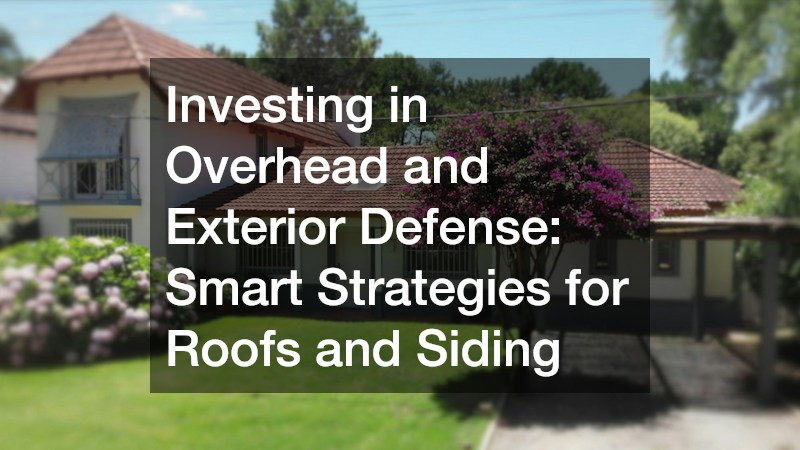
Investing in Overhead and Exterior Defense Smart Strategies for Roofs and Siding

Maintaining a home’s structural envelope is one of the most vital investments a property owner can make to secure long-term value, energy performance, and interior comfort. The outer shell of a building acts as a continuous shield against relentless environmental factors, ranging from driving rain and high winds to intense solar radiation and seasonal freeze-thaw cycles. When these protective barriers age or sustain damage, the stability of the entire structure is placed at risk. Approaching exterior upgrades with a clear strategy ensures that every material choice and installation technique works together to form a resilient, weather-tight system.
Modern residential design emphasizes both high-performance materials and cohesive visual appeal. Upgrading your roof and wall cladding is not merely a reactive measure taken after a leak appears; it is a proactive strategy to boost curb appeal, reduce operational utility costs, and eliminate hidden structural degradation before it becomes financially overwhelming. By evaluating the overall health of your property’s exterior, you can make informed decisions regarding when to perform routine maintenance, when to execute targeted fixes, and when to undertake a complete system replacement.
A successful exterior transformation relies heavily on understanding how different structural elements interact with regional weather patterns. Moisture management, airflow, insulation, and flashing integration must be executed with technical precision to prevent water intrusion and energy loss. By prioritizing quality materials and expert workmanship, homeowners can transform their building envelope into an efficient, long-lasting defensive system that enhances daily living while preserving property value for decades to come.
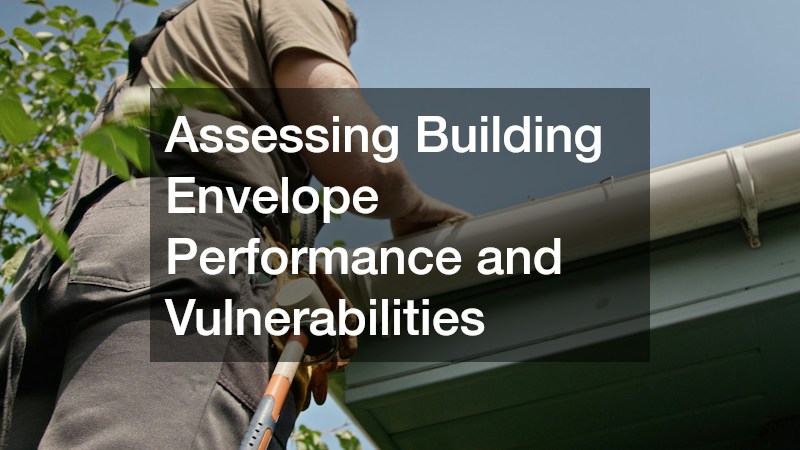
Assessing Building Envelope Performance and Vulnerabilities
Evaluating the overall health of a residential building requires a systematic examination of its upper and vertical protective barriers. Over time, continuous exposure to ultraviolet rays degrades protective surface coatings, while wind-driven rain tests the integrity of every seam, joint, and flashing detail. Small vulnerabilities, such as cracked sealant lines or slightly shifted exterior panels, can allow moisture to penetrate beneath the primary drainage plane, rotting underlying wood framing and weakening thermal insulation long before internal water stains become visible on ceilings or walls.
Comprehensive physical inspections help property owners identify early signs of wear and plan necessary interventions before minor defects evolve into major structural failures. Scheduling a professional assessment with an experienced roofing service allows for a thorough evaluation of ridge vents, valley linings, chimney flashings, and gutter integration points. Identifying compromised components early ensures that localized moisture intrusion is contained, preserving structural integrity and maintaining high thermal performance throughout every season.
Beyond visual checks, analyzing energy performance provides valuable insight into envelope health. Unexpected spikes in heating or cooling expenses often indicate air leakage or compromised insulation beneath the primary barrier. Addressing these air gaps through precision sealing, upgraded underlayment, and proper ventilation control restores thermal stability, reducing mechanical stress on HVAC systems and keeping indoor temperatures comfortable year-round.
Evaluating Modern Material Innovations for Durability
The manufacturing processes behind exterior surface products have advanced significantly, offering homeowners options that deliver exceptional impact resistance, longevity, and low maintenance requirements. Synthetic underlayments, cool-pigment asphalt composites, architectural standing-seam metals, and insulated composite wall cladding provide superior defense against extreme weather conditions compared to legacy products. Selecting high-grade materials ensures that the property’s outer shell remains structurally sound and visually striking despite constant atmospheric exposure.
When architectural style demands the preservation of historical charm alongside modern weather protection, specialized material treatments and masonry techniques become necessary. Executing a detailed facade restoration project on historical or masonry-clad properties restores aged stonework, repoints degraded mortar joints, and applies breathable water-repellent barriers. This careful preservation prevents moisture retention in exterior walls while keeping classic architectural profiles looking pristine and structurally resilient.
Integrating high-performance materials into a comprehensive renovation strategy also enhances a property’s environmental sustainability profile. Reflective surfaces reduce solar absorption during hot summer months, dampening the urban heat island effect and lowering household energy footprints. Selecting long-life materials that feature recyclable content reduces landfill waste, creating an eco-conscious building envelope built to endure shifting climate conditions.
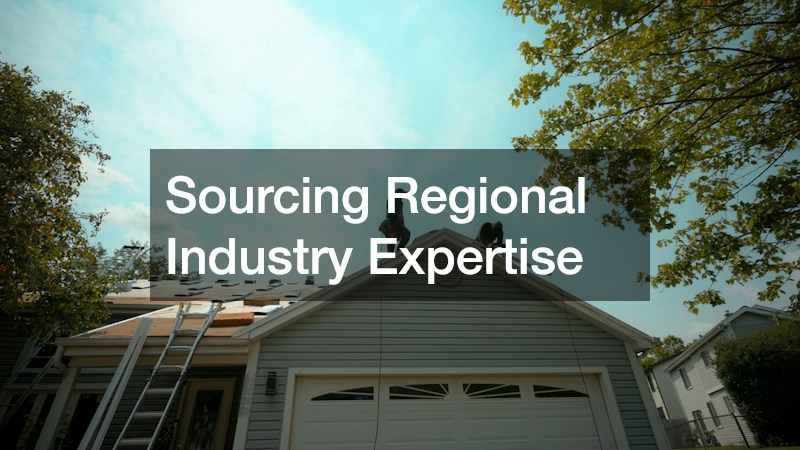
Sourcing Regional Industry Expertise
Selecting the right professional talent is just as crucial as choosing premium materials when planning an exterior overhaul. Regional weather conditions—ranging from coastal humidity and high winds to heavy winter snow loads and extreme desert heat—dictate specific installation requirements that generic construction practices may overlook. Partnering with a trade professional who understands local building codes and regional climate pressures guarantees that installation methods are tailored specifically to your geographic environment.
Working directly with a reputable local roofer ensures that your project benefits from deep regional knowledge, fast response times for warranty support, and strong working relationships with municipal building inspectors. A regional specialist understands which underlayment systems, ice barriers, and ventilation configurations perform best under local weather stress. This localized insight prevents installation oversights that could lead to premature material degradation or voided manufacturer warranties.
Furthermore, local specialists bring established supply chain networks to the job site, minimizing material delays and ensuring that sourcing remains efficient throughout construction. Their physical presence in the community provides peace of mind, knowing that post-installation support, seasonal tune-ups, and emergency inspections are easily accessible whenever unexpected severe weather events occur.
Timely Interventions and Proactive Exterior Care
Neglecting small surface defects can lead to widespread moisture damage, toxic mold growth, and compromised structural framing. Wind, falling tree limbs, and thermal expansion can loosen fasteners, lift shingles, and tear underlying weather barriers. Addressing these minor imperfections immediately prevents water from tracking into attic spaces, wall cavities, and living quarters, saving thousands of dollars in secondary structural framing repairs.
Arranging for prompt roof repairs whenever damaged flashing, missing surface tabs, or loose ridge caps are discovered safeguards the continuous thermal and moisture barrier of the property. Rapid intervention halts water migration before it can saturate fiberglass insulation or ruin interior drywall. Establishing a routine schedule for cleaning gutters, clearing roof debris, and inspecting seals ensures that small issues are resolved before they turn into costly emergencies.
A proactive care strategy also extends the overall operational lifespan of existing exterior systems by years. Rather than allowing small defects to compound into a premature total failure, systematic maintenance keeps protective coatings intact and seals tight. Investing modest effort in regular maintenance protects your capital investment and ensures uninterrupted peace of mind.
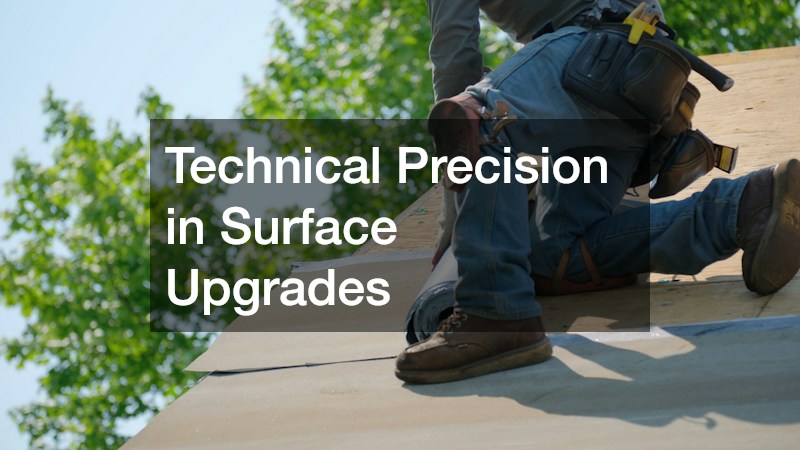
Technical Precision in Surface Upgrades
Executing a complex exterior renovation requires strict adherence to manufacturer guidelines, proper fastener patterns, and seamless flashing details. Whether installing standing-seam panels or heavy composite shingles, correct alignment and tension are critical to prevent wind uplift during severe storms. The theoretical performance ratings of high-end materials can only be realized when skilled hands execute every installation detail according to precise engineering standards.
Hiring an experienced roofer guarantees that critical transition areas—such as skylight curbs, wall intersections, and vent stack penetrations—are properly sealed using self-adhering membranes and custom-formed flashing. Skilled trade specialists understand the mechanics of thermal movement, ensuring that materials have adequate room to expand and contract without warping, cracking, or pulling away from underlying fasteners over time.
Additionally, expert craftsmanship ensures that safety protocols are strictly enforced on the job site. Working at heights with heavy materials presents inherent risks that require professional rigging, fall protection equipment, and structured site management. Relying on trained professionals protects your property from accidental job-site damage and shields homeowners from liability concerns during construction.
Wall Cladding Innovations and Moisture Barriers
While the top barrier protects a home from falling precipitation, vertical wall systems manage wind-driven rain, ambient humidity, and thermal transfer along the sides of the structure. Modern wall cladding systems function as a dynamic drainage plane, allowing any moisture that penetrates the outer skin to weep away safely without coming into contact with interior framing or insulation layers. Upgrading siding materials significantly boosts curb appeal while adding a critical layer of insulation.
Collaborating with a certified siding contractor allows property owners to select from insulated vinyl, fiber cement, engineered wood, or architectural metal paneling. A skilled cladding professional ensures that home wrap barriers, window flashing tapes, and starter strips are installed seamlessly. Proper installation prevents wind-driven moisture from becoming trapped behind wall panels, protecting structural sheathing from rot and pest infestation.
Contemporary wall materials also offer remarkable color retention and flame resistance, reducing long-term painting and maintenance demands. By pairing engineered siding with rigid foam insulation board during installation, homeowners create a continuous thermal break around the building exterior. This integrated wall assembly minimizes thermal bridging through wall studs, significantly enhancing indoor temperature consistency.
Coordinating Complex Exterior Renovation Projects
A full exterior renovation involving simultaneous roof and wall upgrades demands meticulous project management, clear timelines, and unified trade communication. The order of operations is critical: upper protective systems and flashing underlayments must be integrated correctly with wall wrap systems to ensure that water always flows outward and downward without entering joints between different materials.
Partnering with a licensed roofing contractor who understands full envelope integration ensures that complex multi-trade projects are executed seamlessly. Qualified contractors manage material deliveries, coordinate trade sequences, and oversee quality control at every phase of construction.
Effective management also streamlines permitting processes and municipal inspections. Established contractors handle code compliance documentation, ensure proper disposal of old materials, and keep job sites clean and secure throughout the project. Their structured approach eliminates friction, enabling homeowners to enjoy a stress-free exterior transformation.
Targeted Repairs Versus Total System Replacement
Homeowners frequently face the dilemma of choosing between localized spot fixes and a complete system overhaul. When a structure is relatively young and the damage is limited to an isolated area—such as wind-blown shingles following a localized storm—a targeted intervention is often the most cost-effective and practical choice. Accurately assessing the extent of damage determines whether localized work can restore full structural integrity.
Executing a precise roof repair restores weather resistance without requiring the expense of a full teardown. However, if the underlying underlayment has degraded, or if the surface material has reached the end of its design life, spot fixes serve only as temporary bandages over systemic problems. An honest professional evaluation helps homeowners weigh immediate repair costs against the long-term value and warranty protection of a full replacement.
Choosing Established Commercial Trade Resources
Partnering with an established, fully insured trade organization provides homeowners with financial protection, reliable warranties, and professional accountability. Large, reputable trade entities maintain comprehensive liability insurance and workers’ compensation coverage, safeguarding property owners from unforeseen site liabilities. Furthermore, established organizations carry factory certifications from major material manufacturers, allowing them to offer extended non-prorated system warranties.
Selecting a well-regarded roofing company guarantees access to dedicated customer service, structured contracts, and post-installation support. Established firms possess the resources to handle large-scale residential projects efficiently, utilizing specialized tear-off equipment, material hoists, and experienced crew leads. Their formal business structure ensures that commitments regarding project timelines and pricing are honored.
Specialized Craftsmanship for Single-Family Homes
Single-family residences present unique architectural challenges, including varied roof pitches, dormers, valleys, attached garages, and complex gutter integration points. Executing work on occupied residential properties requires extra care to protect surrounding landscaping, driveways, and outdoor living spaces during material teardown and installation. Specialized care ensures that the property remains safe and tidy throughout the construction phase.
Enlisting seasoned residential roofers ensures that installation techniques are adjusted to match the specific structural geometry of single-family homes. Experienced crews take precautions to protect lawn areas, use magnetic sweepers to clear dropped fasteners, and establish secure scaffolding around delicate garden features. Their specialized focus ensures high-quality craftsmanship while minimizing disruption to your daily routine.
Ultimately, tailored residential expertise transforms an essential maintenance chore into a rewarding home improvement project. By combining proper ventilation, premium materials, and precision installation, homeowners create a high-performance building envelope that lowers energy bills, elevates aesthetic appeal, and protects family members for generations to come.
Investing in your home’s overhead and exterior defense is a long-term strategy that pays continuous dividends in comfort, security, and financial equity. From selecting high-efficiency materials and monitoring flashing integration to partnering with trusted local professionals, every decision contributes to a stronger, more resilient building envelope. Prioritizing quality craftsmanship today guarantees that your residence remains a safe, energy-efficient, and visually stunning haven far into the future.