
Which Home Repairs Actually Cost More the Longer You Wait

A small drip, a hairline crack, a furnace that takes a few extra tries to start — none of it feels urgent in the moment. But home repairs rarely stay small, and the gap between “fix it now” and “fix it later” often gets paid for in hundreds or thousands of extra dollars. This article breaks down the repairs where procrastination is the most expensive choice you can make, and what tends to happen if you keep putting them off. Knowing which problems escalate fastest can help you decide where to spend your attention and your budget first.
Roof Leaks That Start as a Single Shingle Problem

A missing or cracked shingle might seem cosmetic, but it’s an open invitation for water to reach the wood decking underneath. Once moisture gets into the plywood or framing, you’re no longer looking at a patch job — you’re looking at rot, mold, and potentially a sagging roofline. Many roofing contractors report that what would have been a 300 dollar shingle repair turns into a 5,000 dollar deck replacement after just one or two rainy seasons of neglect. The tricky part is that leaks rarely announce themselves where the damage starts. Water can travel along rafters and trickle in several feet from the original crack, so a small stain on your ceiling might actually represent a much larger area of saturated insulation and wet framing above it. By the time you notice drips indoors, roofing contractors often find that the plywood decking has already softened in a two- or three-foot radius around the entry point. Mold adds another layer of cost and urgency, since it can take hold in warm, damp attic spaces within 24 to 48 hours of sustained moisture exposure. Remediation for a mold-affected attic can run anywhere from 1,500 to 10,000 dollars depending on square footage and whether insulation or drywall needs to be torn out. A sagging roofline, the most severe outcome, often signals structural truss damage that may require partial roof reconstruction rather than simple patching. Catching the problem early is straightforward: an annual roof inspection, especially after major storms, lets a professional spot lifted or cracked shingles before water ever reaches the decking. That single inspection, typically 150 to 300 dollars, is far cheaper than the cascade of repairs that follows months of unnoticed water intrusion.
A single cracked or missing shingle might seem like a cosmetic issue, but it’s really an open invitation for water to work its way underneath the roofing system. Once moisture gets past that first layer, it can travel along the decking, saturate the underlayment, and seep into insulation and framing long before it ever shows up as a stain on your ceiling. By the time you notice discoloration or a soft spot in the drywall, the repair has often grown from a $200-300 shingle fix to a $1,500-3,000 job involving rotted decking, moldy insulation, and possibly damaged drywall. The tricky part is that roof damage is often invisible from inside the house until it’s severe. Stains on a ceiling usually mean water has already been traveling through insulation and framing for a while, sometimes for months, quietly weakening the structure above you. In humid climates, that trapped moisture can also breed mold, turning a straightforward repair into a health and air-quality concern as well. Scheduling an annual inspection with roofing companies is one of the cheapest insurance policies a homeowner can buy. A typical inspection costs $100-300 and takes less than an hour, yet it can catch loose flashing, cracked seals around vents, or granule loss that signals an aging shingle well before it fails outright. Many roofing companies will also check attic ventilation and gutter drainage during the same visit, since poor airflow or clogged gutters often accelerate the very damage they’re there to prevent. Catching a small leak early almost always costs a fraction of waiting for visible interior damage, and it can also preserve manufacturer warranties that sometimes require documented maintenance to stay valid. Waiting until a leak announces itself through a ceiling stain removes that option entirely.
Porch and Deck Structural Wear

Wood porches and decks take a beating from rain, snow, and temperature swings, and the damage usually starts underneath where you can’t see it. Moisture gets trapped between boards, around post bases, and where the ledger board attaches to the house, slowly breaking down wood fibers long before any problem shows on the surface. Soft spots, wobbly railings, or a slight bounce in the floorboards are early warning signs that structural supports are weakening. So is a railing that flexes more than it used to, nails or screws that have started popping up, or a persistent damp, musty smell near ground level. These are the moments when a basic porch repair, like swapping out a handful of boards or resetting a loose post, can solve the problem for a few hundred dollars. Left alone, that same issue spreads. Rot travels along the grain of the wood and into connected framing members, so one soft board often signals that the joists around it are already compromised. By the time sagging is visible to the naked eye, posts and footings below grade have frequently failed too. At that point, a simple patch job turns into a full rebuild of the substructure, which can mean excavating and repouring footings, replacing posts, and tearing out decking that still looks fine on top. What might have been a $300 repair easily becomes a $5,000 to $10,000 project, and in the meantime the structure poses a real fall risk for anyone standing on it.
- Railings that flex or feel loose under pressure, often a sign that connecting bolts have rusted or wood has split internally
- Boards that feel spongy or damp to the touch, which usually means rot has already spread beneath the surface paint or stain
- Visible gaps where the porch meets the house foundation, suggesting the structure is pulling away or settling unevenly
- Rust stains or crumbling concrete around support posts, a warning that moisture has been working on the footings for months or years
- Standing water that doesn’t drain after rain, which accelerates wood rot and can undermine post footings over time
- Noticeable sagging or bounce when walking across the deck, indicating weakened joists that may need full replacement soon
- Nails or screws popping up from boards, a sign the wood is shrinking, swelling, or shifting under repeated moisture exposure
Heating System Breakdowns in Cold Climates
A furnace that short-cycles, makes odd noises, or struggles to hit the thermostat setting is usually telling you something is wrong with a component like the igniter, blower motor, or heat exchanger. Ignoring these symptoms doesn’t just risk a mid-winter breakdown — it can cause the unit to work harder, burn more fuel, and wear out other parts faster. A timely furnace repair often costs a few hundred dollars, while waiting until the system fails completely can mean a full replacement costing several thousand.
Cracked heat exchangers are a particularly serious example, since they can allow carbon monoxide to leak into the home if left unaddressed. Homeowners who dismiss a strange smell or soot around vents are gambling with both their wallet and their safety. Routine maintenance before the cold season hits is far cheaper than emergency service during a January freeze, when demand is high and parts may be harder to source quickly.
Cooling System Neglect During Summer Months

Air conditioners give plenty of warning signs before they fail outright, including weak airflow, warm air blowing from vents, or a unit that runs constantly without actually cooling the house. These symptoms often point to low refrigerant, a failing compressor, or a clogged coil, all of which get more expensive to fix the longer they’re ignored. Scheduling AC repair at the first sign of trouble typically costs far less than replacing a compressor that burned out from running under strain for weeks.
Dirty filters and blocked condensate lines are some of the simplest issues to prevent, yet they’re also some of the most common causes of costly breakdowns. A clogged line can back up and cause water damage to ceilings or walls, turning a minor HVAC issue into a repair bill that includes drywall and flooring. Keeping up with seasonal checkups helps catch these small problems before they cascade into bigger ones.
Yard Drainage and Soil Movement Around the Foundation
Water that pools near a house instead of flowing away from it is one of the most underestimated threats to a home’s structure. Over time, poor drainage saturates the soil around the foundation, causing it to expand, contract, and shift in ways that crack concrete and compromise structural integrity. Site grading companies are often called in only after a homeowner notices a sloping floor or a door that no longer closes properly, by which point the fix is far more invasive than it would have been with early correction.
Regrading a yard while the damage is still minor might involve a few truckloads of soil and some reshaping of slopes away from the house. Waiting until water has already undermined the foundation can mean underpinning, piering, or extensive concrete repair, all of which multiply the cost many times over. A simple walk around the property after heavy rain, checking for pooling water near the base of the house, can reveal problems while they’re still cheap to solve.
Hidden Structural Damage in Commercial and Garage Framing
Not every structural concern lives in the walls of a living room — garages, workshops, and outbuildings often rely on bar joists or similar steel framing to support roofs and upper floors. Rust, bowing, or visible sagging in these components is a sign that the metal has been weakened, often by long-term moisture exposure or excess weight. Because these supports carry significant load, waiting to address corrosion can eventually require replacing entire sections rather than reinforcing a single weak point.
These issues are easy to overlook because they’re often tucked away in spaces people don’t visit often, like attics above garages or storage areas. A yearly visual check, especially after storms or heavy snow loads, can catch early rust or stress cracks before they become safety hazards. Catching a weakening joist early usually means a localized repair, while waiting can mean a far more disruptive and expensive structural overhaul.
Exterior Siding Gaps and Moisture Intrusion
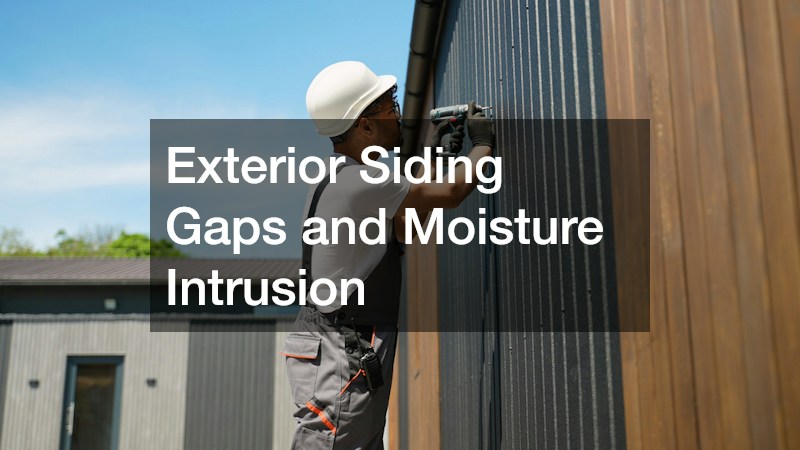
Siding is a home’s first line of defense against wind, rain, and temperature swings, and small gaps or cracks are often dismissed as purely cosmetic. In reality, those gaps let moisture behind the siding, where it can rot sheathing, promote mold growth, and attract pests looking for a way inside. Siding contractors frequently point out that homeowners who replace a few damaged panels early avoid the much larger expense of replacing rotted framing underneath.
Warping, discoloration, and soft spots are all signals that moisture has already started to penetrate the exterior wall assembly. The longer these signs go unaddressed, the more likely the damage spreads laterally behind adjoining panels, turning a localized fix into a whole-side-of-the-house replacement. Checking siding condition during routine gutter cleaning or seasonal walk-arounds is a simple habit that can prevent much larger bills down the road.
Shade Structure Wear and Mechanical Failure
Retractable awnings add comfort and energy savings by blocking summer sun, but their moving parts and fabric are exposed to weather year-round, which means they need attention too. A torn seam, a slow-retracting arm, or a motor that hesitates are early signs of wear that are inexpensive to fix when caught quickly. Letting these issues linger can lead to water pooling in the fabric, frame warping, or a full mechanical failure that requires replacing the entire unit instead of a single part.
- Fabric that shows fraying, mildew, or fading
- Arms or joints that squeak or move unevenly
- A motor that stalls or struggles to retract fully
- Visible rust on frame connectors or mounting hardware
- Water pooling in the fabric after rain instead of draining off
Plumbing Leaks and Slow Drains Inside the Home
A slow drain or a faint drip under the sink is one of the most common problems homeowners put off, usually because it seems minor enough to ignore. But standing water and constant moisture can warp cabinetry, rot subflooring, and create ideal conditions for mold growth behind walls. Calling plumbers at the first sign of a persistent leak is almost always cheaper than dealing with water damage restoration after a pipe finally bursts.
Older homes are especially vulnerable, since aging pipes made of materials like galvanized steel corrode from the inside out, gradually narrowing and weakening until a sudden failure occurs. Low water pressure, discolored water, or unusual noises in the pipes are all signs worth investigating before they turn into emergencies. A relatively small plumbing repair now can prevent the kind of large-scale water damage that affects flooring, drywall, and even electrical systems.
The pattern across nearly every system in a home is the same: small problems caught early stay small, while ignored problems compound in cost, complexity, and risk. Walking through your home a few times a year with a critical eye, and calling in help at the first sign of trouble, is one of the most effective ways to protect both your budget and your property. Waiting rarely saves money, and in most cases, it guarantees you’ll pay more down the road.