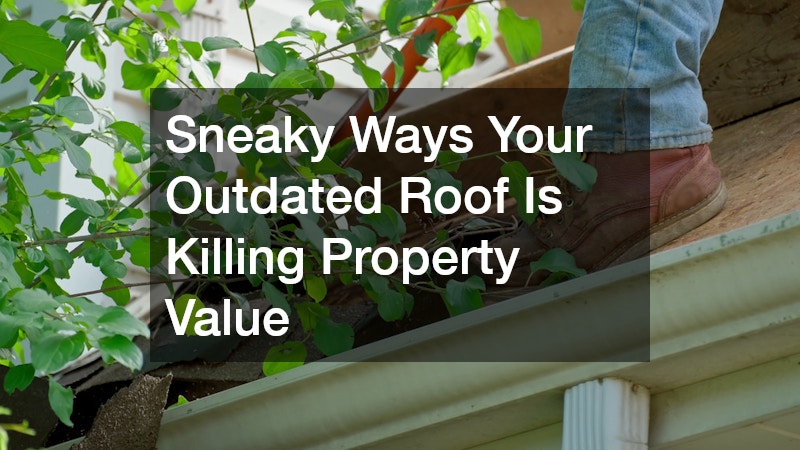
Sneaky Ways Your Outdated Roof Is Killing Property Value

A prospective buyer might fall instantly in love with your newly renovated kitchen, swoon over the hardwood floors, and mentally place their furniture in your spacious living room. But the moment they step back out onto the driveway and look up at an aging, weathered home exterior, they are instantly pulling out their mental calculator to negotiate the asking price down.
Homeowners often view the very top of their house as out of sight and out of mind. Because we do not interact with it daily like we do our appliances or plumbing, it is easy to assume that as long as water isn’t pouring into the living room, everything is perfectly fine. However, an aging structure above your head is silently bleeding your property value. It does this through invisible leaks, massive energy waste, and compounding insurance liabilities that you may not even know exist until it is time to sell.
Upgrading an aging top-level exterior is not merely a maintenance chore to keep the rain out. It is a highly strategic real estate maneuver. Proper maintenance protects your home’s structural integrity, dramatically boosts neighborhood curb appeal, and guarantees a high return on investment when it comes time to list your property on the market.
This comprehensive guide takes a deep dive into the five hidden ways an old exterior drains your home’s equity. More importantly, it provides you with detailed, actionable steps to reverse the damage, protect your asset, and maximize your property’s market value.

Stop Silent Water Damage Before It Decimates Your Foundation
One of the most insidious threats to your home’s value is the presence of micro-leaks. Unlike a massive breach caused by a fallen tree branch, micro-leaks allow moisture to seep in drop by drop over months or even years. Because these leaks are often too small to cause visible ceiling drips right away, homeowners remain completely oblivious to the rotting attic trusses, degrading insulation, and toxic mold blooms silently taking over their home.
When water is allowed to slowly infiltrate the upper layers of a home, gravity pulls it downward. It travels along rafters, down inside wall cavities, and eventually reaches the foundation. By the time you notice a watermark on your drywall, the internal damage is often extensive and incredibly expensive to remediate. Home inspectors are trained to easily spot these hidden water stains on rafters or test for elevated moisture levels behind walls. Once discovered, this instantly flags the home as a structural liability to potential buyers, who will either walk away entirely or demand tens of thousands of dollars in seller concessions.
To prevent this silent decay from eroding your property value, proactive intervention is non-negotiable. Reaching out to a reputable residential roofing company for an annual baseline inspection is the best way to catch these micro-leaks early, long before they escalate. A professional has the trained eye to spot compromised flashing, cracked sealants, and microscopic penetrations that the average homeowner misses.
Actionable Tips to Monitor Attic Health:
-
Schedule Bi-Annual Checks: Twice a year, and immediately following severe weather events, safely enter your attic with a high-powered flashlight.
-
Look for Dark Spots: Scan the underside of the wood decking and rafters. Dark, discolored patches on the wood are early indicators of moisture intrusion.
-
Check the Insulation: Feel your attic insulation. If it is compressed, heavy, or damp, it has absorbed water and lost its thermal resistance.
-
Smell for Mustiness: A strong, earthy, or musty odor in the attic is a primary indicator of hidden mold growth.
Investing in minor roof repair today prevents the need for a massive structural and foundational overhaul tomorrow. Staying ahead of water intrusion proves to future buyers that the bones of the home have been fiercely protected.
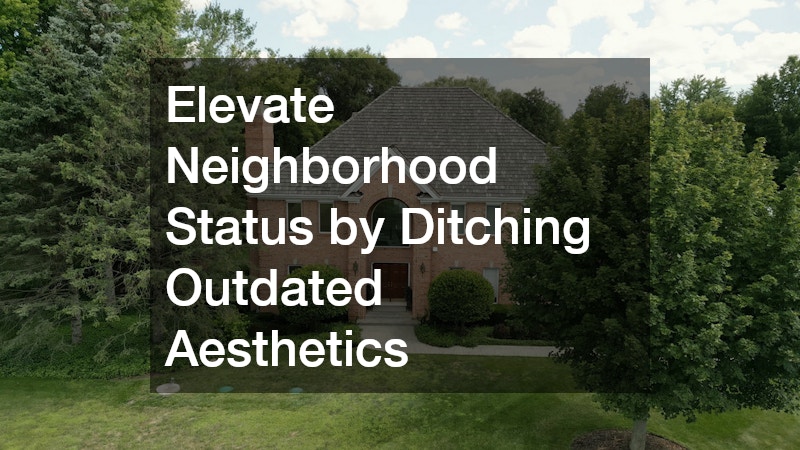
Elevate Neighborhood Status by Ditching Outdated Aesthetics
Curb appeal is not just a real estate buzzword; it is a measurable psychological factor that directly influences a home’s appraised value and final sale price. There is a very real “curb appeal penalty” applied to homes that look neglected from the street. Faded, streaky, or curling asphalt shingles make the entire property look poorly maintained, even if the interior features a stunning, state-of-the-art renovation.
When buyers pull up to a house, the upper exterior makes up nearly forty percent of what they see. If that massive visual footprint looks cheap or dilapidated, a psychological anchoring effect takes hold. Buyers subconsciously assume that if the highly visible exterior was neglected, the unseen systems—like the plumbing, electrical, and HVAC—are probably neglected, too. They immediately adopt a skeptical, defensive posture during the showing.
To reverse this penalty and add genuine equity to your home, you must consider how your home’s materials align with its architectural style and the surrounding neighborhood. You want to elevate the aesthetic without pricing your home completely out of the local market. For instance, highly durable metal roofs offer a striking, premium look that modern buyers are increasingly willing to pay a premium for, especially in areas prone to severe weather or wildfires. Their sleek lines complement both contemporary and rustic architectural styles beautifully.
Actionable Tips for Maximizing Visual ROI:
-
Match the Architectural Era: Ensure your upgrades complement the home’s original design. A historic Victorian home benefits from the classic look of slate or high-dimensional shingles, while a mid-century modern home pairs beautifully with clean, low-profile materials.
-
Consider Color Psychology: Avoid overly bright or polarizing colors. Charcoal grays, deep browns, and muted greens blend well with natural surroundings and appeal to the widest pool of potential buyers.
-
Power Wash Surroundings: Upgrading the top of your house will make dirty siding or a grimy driveway stand out. Clean all exterior surfaces to create a cohesive, pristine look.
-
Review HOA Guidelines: Before making any aesthetic changes, meticulously review your Homeowner’s Association guidelines to avoid fines or forced tear-downs.
By investing in custom roofing solutions that perfectly complement your home’s unique character, you transition your property from the neighborhood eyesore to the gold standard that every other home on the block is compared against.
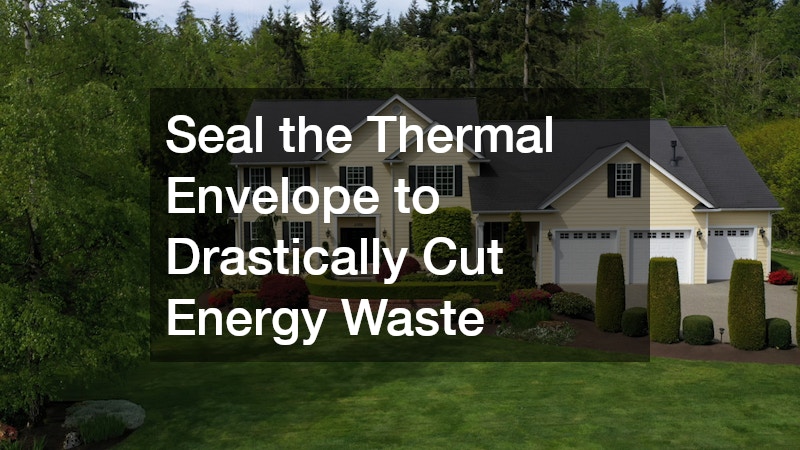
Seal the Thermal Envelope to Drastically Cut Energy Waste
Today’s home buyers are incredibly savvy about energy efficiency. With utility costs steadily rising across the country, a home that bleeds heating and cooling is a major financial red flag. An older, degraded exterior actively works against your home’s climate control systems. It traps blistering heat in the attic during the summer, forcing your air conditioner into overdrive, and allows expensive warm air to escape during the freezing winter months.
This disruption of the home’s thermal envelope leads to skyrocketing monthly utility bills. Furthermore, the constant strain causes the premature burnout of the home’s HVAC system. When buyers ask to see a year’s worth of utility bills—a common practice in modern real estate transactions—exorbitant energy costs will make them reconsider their offer.
Fixing the thermal envelope requires a holistic approach. It is not just about the external barrier; it is about how that barrier interacts with ventilation and insulation. If a house has become a total thermal nightmare, constantly battling internal temperature swings and moisture condensation, a full roofing replacement is often the most cost-effective long-term solution. Tearing down to the decking allows you to reset the home’s building science from scratch.
Actionable Tips to Improve Energy Efficiency:
-
Evaluate Insulation Depth: Check your attic floor. If the insulation sits below or level with the floor joists, you need to add more to meet modern Department of Energy R-value recommendations.
-
Clear the Soffits: Soffit vents under the eaves allow cool air to enter the attic. Ensure these vents are not blocked by old insulation, dust, or debris.
-
Upgrade Exhaust Vents: Hot air needs a place to escape. Ensure you have adequate ridge vents or powered attic fans to expel superheated air.
-
Look for Radiant Barriers: Consider adding a radiant barrier to the underside of the roof deck to reflect solar heat away from the living space during the summer.
When executed correctly, a proper roof installation incorporates modern, highly reflective underlayments and seamless ventilation systems that drastically improve the home’s energy efficiency. This transforms a major liability into a strong selling feature.

Protect Your Homeowners Insurance from Premium Spikes
In recent years, the insurance landscape has shifted dramatically. Insurance carriers are utilizing advanced satellite imagery and actuarial data to aggressively manage their risk portfolios. One of the primary targets for increased scrutiny is the age and condition of a home’s exterior. Carriers are increasingly dropping coverage, sending non-renewal notices, or hiking premiums astronomically for homes with exteriors older than 15 to 20 years.
This is a massive threat to property value. If a home is deemed uninsurable, or if the premiums are wildly expensive, potential buyers will not be able to secure a standard mortgage. Without a mortgage, the sale completely falls through. You are left trying to find a cash buyer, which significantly limits your market and forces you to accept a much lower sale price.
To protect your property’s value, you must treat your home exterior as an active asset that requires meticulous documentation. Building a long-term, professional relationship with reliable local roofing contractors who deeply understand your region’s specific weather threats and stringent insurance requirements is a brilliant defensive strategy. These professionals can provide the necessary paperwork and maintenance logs that insurance underwriters demand to see.
Actionable Tips to Satisfy Insurance Underwriters:
-
Create a Maintenance Binder: Keep every single receipt, contractor invoice, warranty document, and post-storm damage assessment in one organized physical or digital folder.
-
Take Timestamped Photos: Take clear, high-resolution photos of your home’s exterior every spring and fall, and immediately before and after any major weather event. This proves the timeline of any sudden damage.
-
Request a Wind Mitigation Inspection: In many states, passing a wind mitigation inspection can legally obligate your insurance carrier to lower your premiums.
-
Address Trees Promptly: Trim back overhanging tree branches that pose an immediate threat of impact damage, as insurance inspectors frequently flag these during fly-by assessments.
Proactively scheduling routine, documented roofing services—such as seasonal debris clearing, gutter cleaning, and flashing checks—keeps insurance carriers satisfied. When you can hand a buyer a clean bill of health and a history of low insurance premiums, you preserve your leverage at the negotiating table.
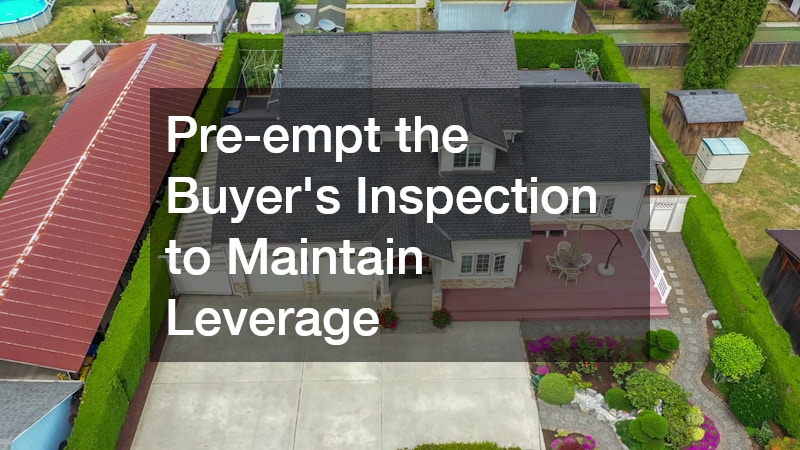
Pre-empt the Buyer’s Inspection to Maintain Leverage
In a standard real estate transaction, the buyer holds a significant amount of power during the inspection contingency period. If you wait for the buyer’s hired home inspector to dictate the condition of your home, you are immediately put on the defensive. The inspector’s job is to find every single flaw, no matter how minor, to justify their fee and protect the buyer.
When an inspector inevitably flags an older exterior as “nearing the end of its useful life,” buyers will universally panic. They will ask for a massive cash credit at closing, often requesting double the actual cost of the necessary work to insulate themselves from unknown overages. Alternatively, they will demand that you complete the work before closing, forcing you to manage a stressful, expensive construction project while you are simultaneously trying to pack up and move.
The most effective way to protect your property value is to secure your own independent evaluation before you ever list the home. If your home features unique, high-end, or historically significant materials like cedar shakes, imported clay tiles, or integrated solar panels, it is imperative that you bring in a specialized roofer to accurately certify its remaining lifespan. General home inspectors simply do not have the granular expertise to accurately assess complex material lifespans, and they will often default to worst-case scenarios to limit their own liability.
Actionable Tips for Pre-Listing Preparation:
-
Hire an Independent Evaluator: Pay for your own comprehensive inspection report a month before listing. This allows you to control the narrative.
-
Make Preemptive Micro-Fixes: Use your independent report to fix minor, inexpensive issues (like replacing a few cracked tiles or resealing a vent) before buyers ever see the house.
-
Price Accurately: If your evaluator determines the exterior truly needs major work, you can confidently adjust your listing price accordingly, disclosing the fact upfront rather than being blindsided by a renegotiation later.
-
Transfer Warranties: Gather any existing transferable warranties to feature prominently in your marketing materials.
To command top dollar in a competitive housing market, you must be able to hand the buyer a pristine, third-party report proving you hired the best roofers in your area to meticulously maintain the property. This removes their fear of the unknown, completely nullifies their ability to demand exorbitant credits, and ensures your home sells for exactly what it is worth.
Secure Your Investment and Maximize Your Equity
An outdated home exterior is far more than just a cosmetic annoyance; it is a multifaceted financial drain that quietly erodes your most valuable asset. As we have explored, the consequences of neglect ripple through every aspect of homeownership. It impacts the hidden structural health of your foundation, dictates the psychological response of potential buyers, determines your monthly energy efficiency, and heavily influences the increasingly strict demands of homeowners insurance carriers.
Proactive exterior maintenance isn’t just an annual expense to dread; it is a vital, ongoing strategy for wealth protection. By staying ahead of micro-leaks, modernizing aesthetic appeal, tightening the thermal envelope, and maintaining meticulous records, you insulate yourself from sudden financial shocks and stressful real estate negotiations. You ensure that when the time comes to sell, your home is positioned as a premium, turn-key property rather than a fixer-upper liability.
Take a few moments today to walk outside and take a hard, objective look at your home from the street. Check your attic for signs of moisture, gather your maintenance records, and consider booking a professional evaluation before the next major storm hits. By taking control of your property’s exterior health right now, you guarantee that your home continues to protect your family and your financial future for decades to come.