
How Project Sequencing Saves Time on Home Construction

How Project Sequencing Saves Time on Home Construction
On any large residential build or renovation, time is rarely lost because people are standing around doing nothing. Delays usually happen because work is done in the wrong order. One trade finishes before another is ready, completed work gets damaged, or inspections force crews to undo and redo tasks. Project sequencing—the deliberate order in which work happens—is one of the most powerful tools for keeping a build efficient, predictable, and far less stressful.
This article breaks down how smart sequencing saves time on complex projects. You’ll learn how to plan the order of work, coordinate different trades, and avoid the most common scheduling mistakes that slow projects down and inflate costs.
Build a Master Timeline Before Anyone Steps On Site
Successful projects start with a detailed timeline that shows not just what needs to happen, but when each task depends on another. Without a master plan, individual trades may work efficiently on their own tasks while accidentally creating delays for everyone else.
A comprehensive timeline should be developed early and revisited often. This is typically overseen by a general contractor, but homeowners benefit from understanding how the sequencing works so they can spot issues before they become expensive problems.
Key elements of a strong master timeline include:
-
Clear start and finish dates for each phase
-
Identification of tasks that must be completed before others begin
-
Built-in buffer time for inspections and material delays
-
Defined handoff points between trades
Instead of scheduling everything back-to-back, a smart timeline acknowledges reality. Weather changes, inspections run late, and materials arrive out of order. Planning for those variables up front helps prevent panic-driven decisions that disrupt the entire project.
Prepare the Site Early to Eliminate Hidden Delays
Many projects lose time before real construction even begins. Poor site preparation leads to congestion, safety hazards, and constant cleanup that interrupts progress. Early planning keeps work flowing smoothly once crews arrive.
One of the most overlooked steps is arranging a dumpster rental before demolition or material delivery starts. When debris has nowhere to go, crews slow down, pathways get blocked, and safety risks increase.
Proper site preparation supports efficient home construction by:
-
Keeping access points clear for materials and equipment
-
Reducing downtime caused by clutter or unsafe conditions
-
Allowing multiple trades to work without interfering with one another
-
Preventing last-minute logistical decisions that stall progress
This phase may seem simple, but it sets the tone for everything that follows. A clean, organized site saves hours every week that would otherwise be lost to moving materials, clearing debris, or resolving avoidable safety issues.
Lock in Weather Protection Before Moving Forward
Exterior protection is one of the most time-sensitive aspects of a project. If the structure isn’t sealed properly, interior work becomes risky or impossible. Moisture intrusion can halt progress and lead to costly repairs.
Scheduling roofing work early is critical. Once framing is complete, coordinating with a local roofer ensures the building is protected before mechanical systems and interior finishes are installed.
Why this sequence matters:
-
Prevents water damage to framing and insulation
-
Allows interior trades to work without weather interruptions
-
Reduces inspection failures caused by exposure
-
Protects materials already delivered to the site
Trying to rush interior work before the structure is weather-tight often backfires. A short-term gain in schedule almost always leads to longer delays later.
Install Core Systems Before Closing Walls

Mechanical systems dictate much of the project’s flow. Once walls are closed, making changes becomes time-consuming and expensive. Proper sequencing ensures these systems are installed, inspected, and approved before finishes begin.
This stage requires careful coordination between HVAC contractors and electrical planning for backup systems, such as a home generator. Both systems often compete for space and access, making timing especially important.
Best practices for this phase include:
-
Completing all rough-ins before insulation or drywall
-
Confirming equipment placement aligns with final layouts
-
Scheduling inspections immediately after rough-in completion
-
Avoiding last-minute design changes that disrupt installed systems
When mechanical work is sequenced correctly, interior finishing can move quickly and confidently, without fear of tearing things back open.
Complete Exterior Finishes Before Fine Interior Work
Exterior finishes protect the building envelope and prevent damage to interior spaces. Completing them before detailed interior work reduces the risk of water intrusion, dust contamination, and accidental damage.
During this phase, vinyl siding installation is typically scheduled after windows, doors, and flashing are complete but before interior trim and flooring begin.
Benefits of finishing the exterior first include:
-
Reduced moisture risk for drywall and flooring
-
Fewer interruptions for interior crews
-
Easier access for exterior equipment without damaging finishes
-
Better temperature control for interior work
This approach may feel counterintuitive to homeowners eager to see interior progress, but it often saves weeks of cumulative delay.
Delay Permanent Surfaces Until Heavy Work Is Finished
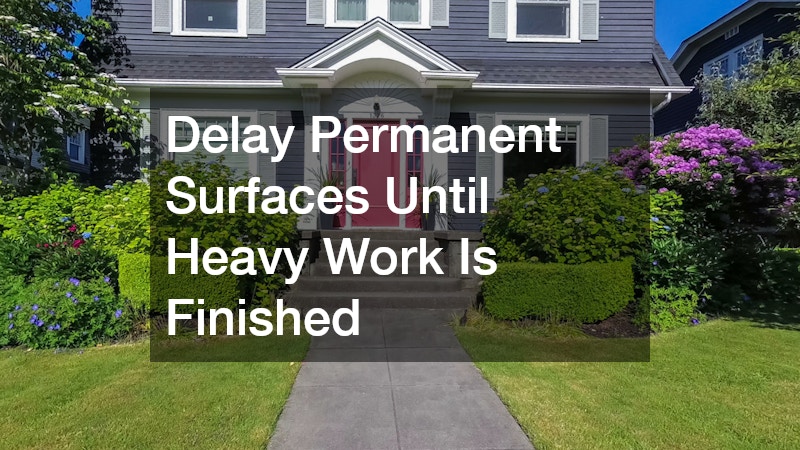
Permanent surfaces, such as driveways and walkways, should be installed only after heavy equipment traffic has finished. Installing them too early almost guarantees damage, rework, and wasted time.
Coordinating with an asphalt contractor near the end of the project ensures these surfaces are completed once the risk of heavy loads has passed.
Timing considerations include:
-
Final delivery of large materials
-
Removal of dumpsters and equipment
-
Completion of exterior structural work
-
Final grading and drainage checks
Waiting to install permanent surfaces protects your investment and eliminates repair delays that can push completion dates back unexpectedly.
Finish Landscaping After Exterior and Utility Work
Landscaping is often the final visual transformation of a project, and it should stay that way. Installing plants or turf too early exposes them to damage from foot traffic, equipment, and unfinished grading.
Professional landscape installers typically work best once all exterior construction is complete and final elevations are confirmed. Irrigation systems should follow underground utilities and drainage work to avoid re-trenching finished areas.
Proper sequencing here helps:
-
Protect plantings from construction damage
-
Ensure proper drainage and water coverage
-
Prevent repeated excavation of finished areas
-
Deliver a clean, finished appearance at project close
Rushing landscaping is one of the most common sequencing mistakes and one of the easiest to avoid.
Build Buffer Time Between Dependent Tasks

Real-world conditions rarely align perfectly with a theoretical schedule. Weather shifts, supply chain hiccups, minor rework, and staffing changes all introduce variability that can quickly derail a tightly packed timeline. Without buffer time, even a single missed day can force multiple trades to reschedule, creating a chain reaction that is difficult to recover from. Thoughtful buffers absorb these disruptions before they spread.
Allowing extra days between trade handoffs creates breathing room that protects both quality and efficiency. When one phase finishes slightly late, the next trade can still start without conflict or rushed preparation. This gap also allows time for cleanup, minor corrections, and verification that work is truly complete before the next phase begins. Clean handoffs reduce misunderstandings and prevent downstream rework that costs far more time than the buffer itself.
Scheduling inspections early in the buffer window reduces the risk of approval delays affecting subsequent work. If an inspection is planned at the beginning of a buffer period rather than the end, there is time to address small issues without impacting the next scheduled task. This approach turns buffers into flexible adjustment zones instead of dead space at the end of a phase.
Planning alternative tasks if one phase runs late keeps labor productive and maintains momentum. When a delayed activity blocks the next planned task, crews can shift to secondary work such as preparation, staging, documentation, or quality checks. Having these alternatives identified in advance prevents last-minute scrambling and ensures time is still used effectively even when plans change.
Avoiding tight overlaps between dependent tasks reduces the risk of interference and conflict. When two tasks rely heavily on each other, overlapping them leaves no room for error. A slight delay in the first task can immediately disrupt the second, multiplying the impact. Separating dependent tasks with modest buffers allows each phase to be completed properly without forcing trades to work around unfinished or incomplete conditions.
Buffer time isn’t wasted time—it’s insurance against chaos. It protects the schedule from minor disruptions, preserves work quality, and keeps decision-making calm and deliberate. Projects that include intentional buffers are far more resilient, allowing teams to adapt without sacrificing control or overall progress.
Use Inspections as Scheduling Tools, Not Roadblocks
Inspections become problematic when they are treated as unexpected obstacles instead of predictable steps in the process. When required inspections are built into the schedule from the beginning, along with the general criteria that must be met to pass, inspections function as checkpoints that confirm progress rather than events that bring work to a halt.
Grouping inspections when possible reduces both downtime and administrative delays. Instead of scheduling separate visits for closely related phases, coordinating multiple approvals into a single inspection window minimizes waiting periods. This approach also limits the number of times work must pause while crews wait for sign-off, keeping the overall schedule tighter and more efficient.
Preparing sites thoroughly to avoid failures is one of the most effective ways to save time. Failed inspections almost always result from incomplete work, missed details, or miscommunication between trades. Conducting internal walkthroughs before the official inspection helps catch issues early, allowing corrections to be made without triggering rescheduling delays. Proper preparation also builds credibility with inspectors, which can streamline future approvals.
Scheduling follow-up work immediately after approval prevents gaps that can quietly extend timelines. When the next phase is already lined up, crews can move in as soon as approval is granted rather than waiting for availability. This handoff keeps momentum strong and reduces the risk of trades being pulled to other jobs due to uncertainty or idle time.
Communicating clearly with inspectors and trades ensures everyone understands expectations and timing. Providing accurate information about readiness, access, and scope helps inspections run smoothly and avoids unnecessary reschedules. Clear communication with trades about inspection timing also ensures they are available to respond quickly if minor adjustments are needed.
Treating inspections as milestones rather than interruptions changes how they are managed. Instead of viewing them as pauses in progress, they become confirmation points that unlock the next phase of work. This mindset encourages better preparation, tighter coordination, and a more predictable flow from one stage to the next, keeping the project moving forward without unnecessary setbacks.
Adjust the Plan Without Derailing the Entire Project

Unexpected changes are inevitable on any complex project, but they do not have to cause widespread disruption. When delays occur, the goal is to preserve forward momentum rather than pause the entire operation. That starts with understanding which tasks are truly dependent on the delayed item and which can proceed independently without causing rework or conflicts later.
Re-sequencing tasks that aren’t dependent on delayed work requires a clear understanding of task relationships. If a material shipment is late or weather prevents exterior work, interior preparation, planning, or coordination tasks can often move forward. This might include layout verification, pre-assembly, inspections that don’t rely on the delayed component, or staging materials for upcoming phases. Identifying these opportunities early prevents idle time and keeps the overall timeline from slipping unnecessarily.
Keeping crews productive with secondary tasks is critical for maintaining efficiency and morale. Skilled labor is often scheduled weeks in advance, and losing that window can cause larger delays later. When primary work is temporarily blocked, assigning crews to secondary tasks such as site organization, minor corrections, quality checks, or preparation for future phases helps maintain continuity. Productive crews are also less likely to rush work later to “make up time,” which reduces errors and rework.
Updating the master timeline immediately ensures that everyone is working from the same expectations. Even small changes can have ripple effects if they are not documented and communicated. Adjusting start and end dates, shifting dependencies, and revising milestones allows the schedule to remain a reliable planning tool rather than an outdated reference. A current timeline also makes it easier to spot new conflicts before they create additional delays.
Communicating changes clearly to all trades prevents confusion and misaligned assumptions. Verbal updates alone are often not enough, especially on busy projects with multiple crews. Written updates, revised schedules, and brief check-ins help ensure that everyone understands what has changed, why it changed, and how it affects their scope of work. Clear communication reduces downtime, prevents trades from showing up unprepared, and minimizes friction between teams.
Flexibility within a structured sequence allows projects to absorb change without losing control. A well-planned sequence provides enough structure to keep work organized while leaving room to adapt when conditions shift. Instead of reacting impulsively, teams can make informed adjustments that protect quality, maintain efficiency, and keep the project moving steadily toward completion.
Conclusion
Time savings on a construction project rarely come from working faster. They come from working smarter. By sequencing tasks in the correct order, coordinating trades carefully, and planning for real-world disruptions, projects move forward with fewer delays, less rework, and far less stress. Whether you’re overseeing a major renovation or a ground-up build, understanding project sequencing gives you a powerful advantage in keeping everything on track.