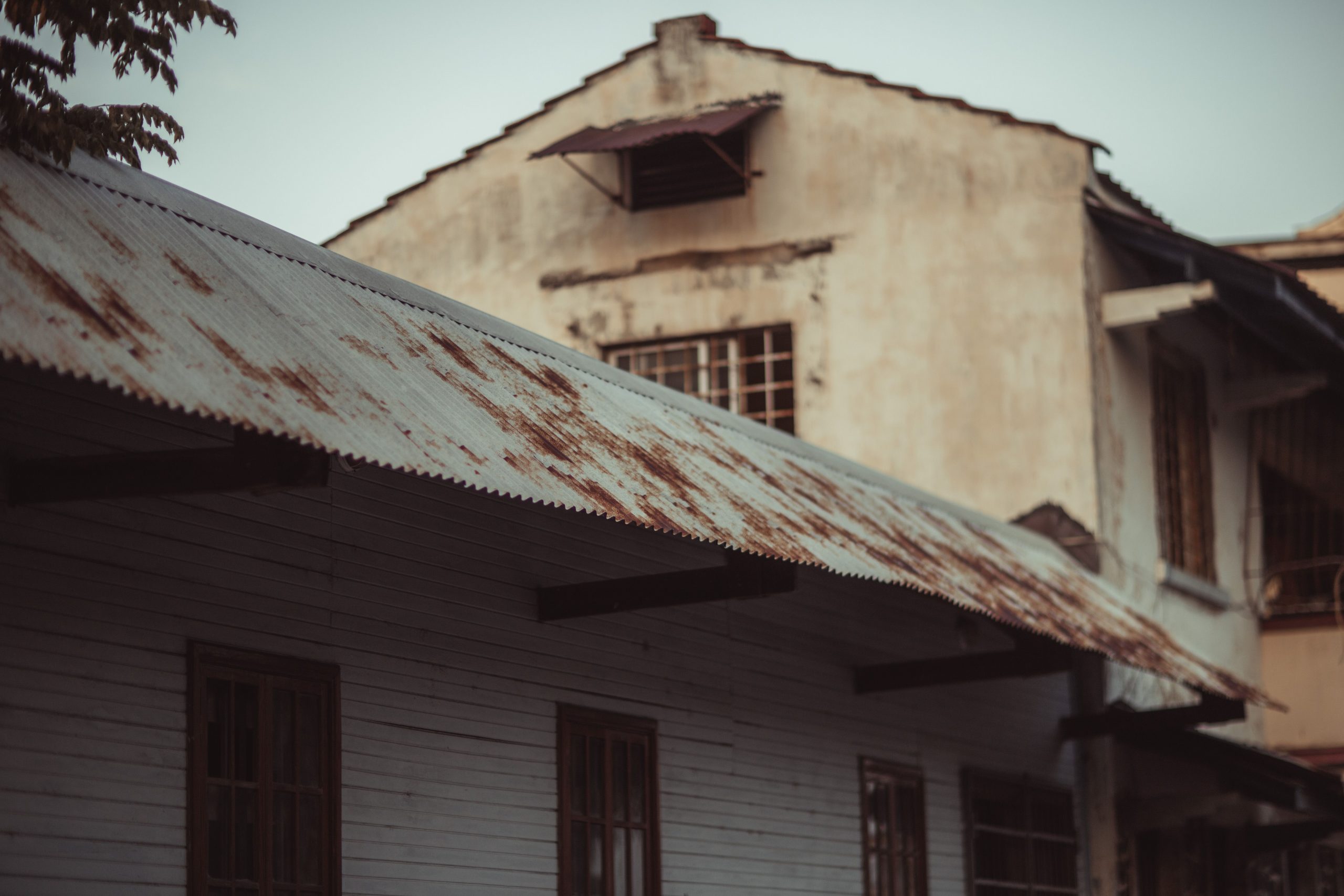
How to Spot Roof Damage and Decide Whether to Repair or Replace

Key Takeaways
- Look for missing or cracked shingles, damaged flashing, water stains, and sagging areas to identify roof problems early.
- Check ceilings and attics for moisture, mold, and signs of leaks that may indicate hidden roof damage.
- Consider the roof’s age, material, overall condition, and repair history before deciding whether to repair or replace it.
- Choose repairs for isolated damage when the rest of the roof remains in good condition.
- Consider replacement when damage is widespread, leaks keep returning, or the roof is nearing the end of its useful life.
- Compare written estimates, long-term costs, warranties, and contractor qualifications before approving roofing work.
- Prevent future damage through regular inspections, clean gutters, proper ventilation, and prompt repairs after severe weather.
Your roof protects your home from rain, wind, heat, and other weather conditions. Over time, however, even a well-built roof can develop problems. Missing shingles, water stains, damaged flashing, and sagging areas may signal that your roof needs attention. Ignoring these warning signs can lead to leaks, mold growth, damaged insulation, and costly repairs inside your home.
Knowing when to repair your roof and when to replace it can help you protect your property and manage your budget. A small problem, such as a few loose shingles, may only require a simple fix. More serious damage, especially when it affects large areas or the roof’s structure, may call for a full replacement.
The key is to identify roof problems early, understand what may be causing them, and consider the condition of the entire roofing system before making a decision. This guide explains how to spot common signs of roof damage, assess their seriousness, and decide which solution makes the most sense for your home.
1. Look for Missing, Cracked, or Curling Shingles
Shingles are among the easiest roofing materials to inspect from the ground. Look for missing pieces, cracked surfaces, lifted edges, or shingles that appear to be curling upward. These problems can allow water to reach the layers beneath the roof’s surface.
You may also notice bald spots where asphalt shingles have lost much of their protective granules. These granules help shield shingles from sunlight and weather. If you find large amounts of granules in your gutters or near downspouts, your roof may be showing signs of wear.
A few damaged shingles do not always mean you need a new roof. If the surrounding materials remain in good condition, a roofing professional may be able to replace the affected pieces. However, widespread cracking, curling, or missing shingles can indicate that the roof is nearing the end of its useful life.
Avoid climbing onto a roof to inspect shingles yourself, especially if the surface is steep, wet, or unstable. Use binoculars from the ground or arrange a professional inspection for a closer look.
2. Check for Water Stains and Signs of Leaks Indoors
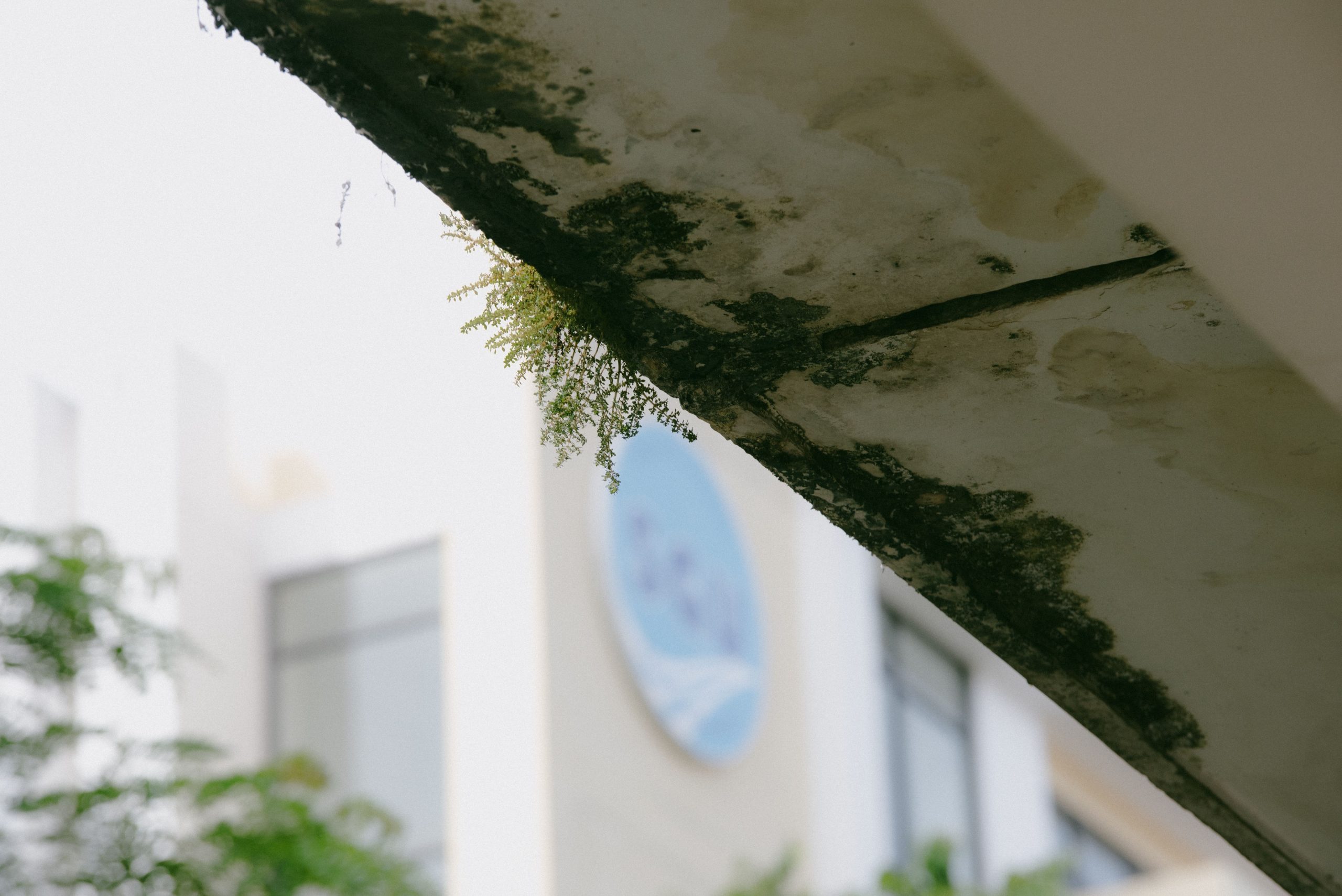
Roof damage does not always show clearly from outside. Sometimes, the first warning appears inside your home. Brown or yellow stains on ceilings and walls may indicate that water is entering through the roof. You might also notice peeling paint, bubbling drywall, damp insulation, or a musty smell in upper rooms.
Check your attic if it is safely accessible. Look for wet insulation, dark marks on wooden rafters, water droplets, or daylight coming through gaps in the roof. These signs can help you identify areas where moisture may be entering.
Keep in mind that water does not always drip directly below the damaged area. It can travel along roof framing or other building materials before appearing on a ceiling. This makes the source of a leak difficult to identify without a careful inspection.
If you discover active leaking, move furniture and belongings away from the affected area and collect dripping water in a container. Contact a roofing professional to find the source and prevent further damage. If a ceiling is bulging or sagging under accumulated water, keep people away and seek professional help rather than touching or puncturing it.
3. Inspect Flashing, Roof Valleys, and Other Vulnerable Areas
Some roof components are more likely to develop leaks because they connect different surfaces or direct water away from the house. Flashing is a thin piece of metal or another waterproof material installed around chimneys, vents, skylights, and roof edges. It helps seal joints where water could enter.
Look for flashing that appears bent, loose, rusted, cracked, or separated from nearby surfaces. Damaged sealant around vents and skylights can also create openings for rainwater.
Roof valleys deserve special attention because they collect and channel water from two sloping roof sections. Leaves, branches, and other debris can block water flow or hold moisture against the roofing materials. Over time, this may contribute to leaks or material deterioration.
Minor flashing problems can often be repaired without replacing the entire roof. A professional may be able to secure loose flashing, replace damaged sections, or correct faulty seals. However, if the roof around these areas has widespread deterioration, a larger repair or replacement may be more practical.
4. Look for Sagging Areas and Structural Problems
A roof should generally have an even, consistent shape. If you notice a dip, sagging section, or uneven roofline, do not assume it is simply a cosmetic issue. These changes can indicate damaged roof framing, weakened decking, moisture damage, or excessive weight.
Structural problems may develop after prolonged leaks, poor construction, or exposure to heavy snow and other loads. In some cases, the damage may affect the rafters, trusses, or wooden panels supporting the roofing materials.
Check the roofline from the ground and look for changes that were not present before. Inside the attic, if access is safe, watch for cracked or warped wood, signs of long-term moisture, or framing that appears to have shifted.
Sagging roofs require prompt professional assessment. Do not walk on the affected area or attempt to straighten structural components yourself. Depending on the cause and extent of the damage, repairs may involve replacing roof decking or framing. Severe or widespread structural problems may require extensive reconstruction rather than a simple roof replacement.
5. Consider the Roof’s Age and Overall Condition
Every roofing material has a different expected service life. Asphalt shingles may last around 20 to 30 years, while some metal roofs can last 40 to 70 years or longer. Tile and slate roofs can also last for many decades when properly installed and maintained. Actual lifespan depends on product quality, installation, climate, ventilation, and upkeep.
Find out when your current roof was installed, if possible. Receipts, inspection reports, home purchase records, and previous repair invoices may provide useful details. If you do not know its age, a roofing professional can help estimate its condition.
Age alone does not determine whether replacement is necessary. A well-maintained older roof may still perform adequately, while a younger roof with poor installation or severe storm damage may need major work.
Look at the full picture: the roof’s age, the number of damaged areas, the frequency of leaks, and the condition of its underlying structure. If repairs are becoming more frequent or the roof is showing wear across large sections, replacement may offer better long-term value.
6. Understand the Different Roofing Materials
Your roof’s material affects its durability, maintenance needs, repair options, and replacement cost. Understanding roofing types and benefits can help you evaluate whether to keep your current material or choose something different when replacement becomes necessary.
Asphalt shingles are popular because they are widely available and usually cost less to install than many alternatives. They are relatively easy to repair, although their lifespan can be shorter than that of some premium materials.
Metal roofing offers durability, resistance to many weather conditions, and a long service life. Depending on the product, it may cost more upfront and require installers with specific experience. Clay and concrete tiles are durable options in suitable climates, but they are heavy and may require a roof structure designed to support their weight.
Slate can last for many decades, but it is often expensive and requires skilled installation. The best choice depends on your home’s structure, local weather, budget, and maintenance expectations.
If you replace your roof, ask contractors to explain the strengths and limitations of the materials they recommend. Compare warranties, expected service life, ventilation needs, and installation requirements instead of choosing based on price alone.
7. Decide When a Repair Is Enough
Roof repair is often the practical choice when damage is limited to a small area and the rest of the roof remains in good condition. Examples include a few missing shingles after a storm, a small flashing gap, or a localized leak caused by a damaged seal.
A repair may also make sense when the roof is relatively new and its materials are still in good shape. Fixing the problem early can prevent water from spreading into insulation, ceilings, and walls.
Before approving a repair, ask the contractor to identify the source of the damage and explain exactly what needs to be fixed. The estimate should describe the work, materials, labor, and any relevant warranty. It is also helpful to ask whether the replacement materials will match the existing roof.
Keep in mind that the lowest-cost repair is not always the best option. Repeatedly patching an aging roof may become more expensive than replacing it. A proper assessment should consider both the immediate problem and the likelihood of additional failures in the near future.
8. Know When Roof Replacement Is the Better Option
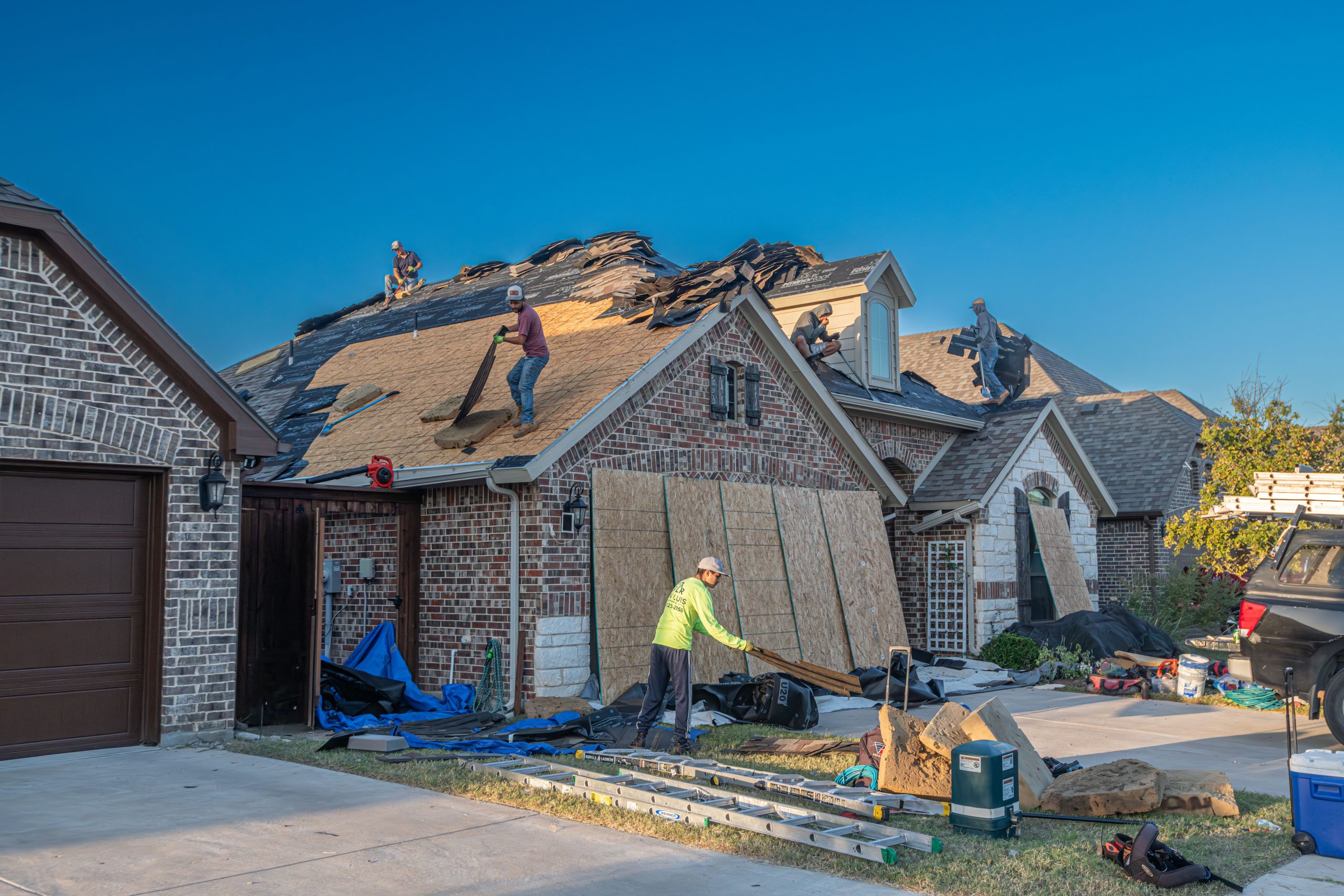
Roof replacement is worth considering when damage is widespread, the roof is near the end of its expected lifespan, or major problems keep returning despite previous repairs. Extensive shingle deterioration, repeated leaks in different locations, and widespread damage to the roof decking may indicate that patching individual areas will not provide a reliable long-term solution.
Replacement may also be necessary when severe weather damages a large portion of the roof. A professional inspection can help determine whether the damage is limited to the surface or extends into the supporting layers.
Although replacing a roof usually costs more upfront, a new roofing system may reduce ongoing repair needs and improve protection against future weather. It also gives you an opportunity to address poor ventilation, inadequate flashing, or other installation problems.
Before committing, obtain detailed written estimates from at least two qualified contractors when possible. Ask whether the quoted price includes removing old materials, replacing damaged decking, disposal, flashing, ventilation improvements, permits, and cleanup. These details help you compare proposals fairly and avoid unexpected costs.
9. Compare Repair Costs With Long-Term Replacement Costs
Your budget is an important part of the decision, but it should not be the only factor. A small repair may cost much less than a new roof, yet repeated repairs can add up if the roof is deteriorating in several places.
Ask contractors to provide separate estimates for necessary repairs and full replacement when both are reasonable options. Compare the immediate cost, expected remaining roof life, warranty coverage, and likelihood of future problems.
For example, repairing a small leak on a relatively new roof may be the most sensible choice. However, if an older roof has multiple leaks, failing shingles, and damaged decking, investing in several separate repairs may only delay a larger expense.
You should also consider the risk of leaving the damage untreated. A roof leak can lead to damaged drywall, ruined flooring, wet insulation, mold growth, and repairs to electrical or structural components. Addressing the underlying issue promptly may prevent these additional costs.
If you cannot afford a full replacement immediately, ask a qualified contractor whether a safe, reliable repair can serve as a temporary solution. Make sure you understand its limitations and plan for the longer-term work that may be needed.
10. Check for Storm Damage and Document What You Find
Strong winds, hail, falling branches, and heavy rain can damage roofs even when the damage is not obvious from the ground. After severe weather, check for missing shingles, visible dents, fallen branches, loose flashing, and new water stains inside the house.
Take photos of visible damage from a safe location and note when the storm occurred. If you discover a leak, photograph the affected interior area as well. These records may help when speaking with a contractor or filing an insurance claim.
Do not climb onto the roof after a storm. Wet surfaces, loose materials, and hidden structural damage can make the roof dangerous. Instead, arrange an inspection by a qualified roofing professional.
If your home insurance may cover the damage, review your policy and contact your insurer promptly. Coverage depends on the policy, the cause of damage, exclusions, and other terms. Avoid authorizing major permanent work before documenting the damage and checking any inspection requirements, except for urgent measures needed to prevent further harm.
Temporary measures, such as professionally installed protective coverings, may help limit additional water entry while you arrange repairs. Keep receipts and records of emergency work, and avoid making promises to contractors or signing agreements you do not fully understand.
11. Choose a Qualified Roofing Contractor
Whether you need a repair or a complete replacement, choosing a reliable contractor can make a major difference in the quality and lifespan of the work.
Look for contractors with relevant experience, appropriate licensing where required, and insurance that protects both workers and your property. Check references, recent reviews, and examples of similar projects. Ask for a written estimate that clearly explains the scope of work, materials, payment schedule, expected timeline, and warranty terms.
Be cautious of contractors who pressure you into signing immediately, demand full payment upfront, or offer a replacement without inspecting the roof carefully. After major storms, some unreliable operators may use urgent sales tactics to secure work.
A good contractor should explain why a repair or replacement is recommended, show evidence of the damage when possible, and answer questions in clear language. You should understand what you are paying for before work begins.
If you are planning broader roof and siding upgrades, discuss how the roof, exterior walls, flashing, and drainage systems work together. Coordinating related work may help prevent water from entering at roof edges or wall connections, but each project should be based on the home’s actual condition and needs.
12. Prevent Future Roof Damage With Regular Maintenance
Once your roof has been repaired or replaced, routine maintenance can help protect your investment. Inspect the roof from the ground after major storms and look for visible changes. Keep gutters and downspouts clear so rainwater can drain away instead of backing up near roof edges.
Trim tree branches that hang over the roof to reduce the risk of falling limbs and excess debris. Check attic ventilation and insulation, since poor airflow and trapped moisture can contribute to roof deterioration. Have a professional inspect areas that are difficult or unsafe to reach.
You should also pay attention to changes inside your home. New ceiling stains, musty odors, peeling paint, or damp attic insulation can signal a problem that needs attention.
Consider scheduling professional inspections periodically, especially if your roof is older or has a history of leaks. The right schedule depends on the roofing material, local weather, and the roof’s current condition.
Taking care of small issues early is usually easier than dealing with major water damage later. A simple maintenance routine can help you spot developing problems, plan repairs, and make better decisions about when replacement is necessary.
Conclusion
Spotting roof damage early can save you money and help protect your home from water intrusion and structural problems. Missing shingles, indoor water stains, damaged flashing, sagging areas, and repeated leaks are all signs that deserve attention. The seriousness of the damage, the roof’s age, and the condition of the underlying structure can help determine the right solution.
In general, limited damage on a roof that is otherwise in good condition can often be repaired. Widespread deterioration, recurring leaks, or serious structural problems may make replacement the better long-term choice. A professional inspection and clear cost estimates can help you compare your options without rushing into an expensive decision.
Most importantly, do not ignore warning signs or put yourself at risk by climbing onto a damaged roof. Address urgent leaks, document visible problems, and work with a qualified contractor to choose a solution that fits your home’s needs and your budget.