The Real Price of Delaying That Roof Repair One More Season

A small roof leak or a handful of missing shingles can seem like a minor annoyance easy to put off until next spring. But roofs rarely stay the same size problem for long, and waiting even one more season can turn a manageable fix into a major expense. Understanding exactly what happens beneath the surface when repairs are delayed can help you make a smarter, more cost-effective decision today.
How Small Leaks Turn Into Structural Damage
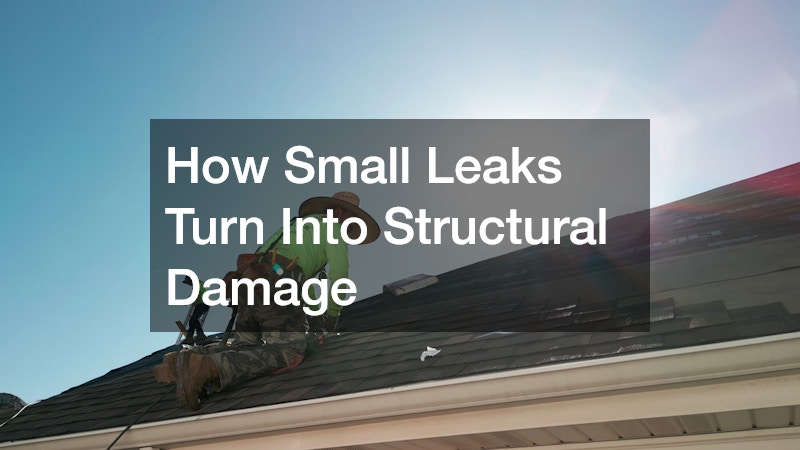
Water intrusion rarely stays contained to the spot where it first entered your home. Once moisture works its way past shingles or flashing, it can travel along the roof deck, soak into insulation, and eventually reach ceiling joists and wall framing. What looks like a small stain on your ceiling today could represent weeks or months of hidden saturation happening above it.
The longer wood framing stays wet, the more it loses its structural integrity, which can compromise the roof’s ability to bear weight during heavy snow or wind events. In severe cases, prolonged exposure leads to sagging decking or even partial collapse in vulnerable areas like porches and additions.
- Ceiling stains often indicate damage that has already spread beyond the visible spot
- Wet insulation loses its effectiveness and needs full replacement, not just drying out
- Structural repairs cost significantly more than sealing a leak early
- Sagging rooflines are a sign that damage has progressed past a simple patch
Why Mold and Air Quality Problems Escalate Quickly
Mold spores need only 24 to 48 hours of moisture exposure to begin colonizing a surface, which means a slow roof leak can trigger an indoor air quality issue faster than most homeowners realize. What starts as a small, barely visible stain on the ceiling can become a full colony within a week, spreading through insulation, drywall, and framing before anyone notices a problem.
Attics are especially vulnerable because they’re dark, often poorly ventilated, and rarely inspected on a regular basis. Trapped humidity from a hidden leak has nowhere to go, creating the warm, damp conditions mold needs to thrive, often for months before it’s discovered.
Once mold takes hold, spores don’t stay contained to the attic. They travel through HVAC systems and small gaps in ceilings and walls, settling into living spaces where household members breathe them in daily.
The health consequences can be significant, particularly for children, older adults, and anyone with asthma or allergies. Common symptoms include persistent coughing, headaches, sinus congestion, and skin irritation, and by the time these symptoms appear, remediation is usually far more extensive and costly than the original repair would have been.
A minor roof leak can introduce enough moisture to support mold growth within 24 to 48 hours, especially in warm, humid attics where air circulation is poor. Once mold establishes itself in insulation, drywall, or wood framing, remediation becomes a separate and often costly project layered on top of the roof repair itself, sometimes adding thousands of dollars beyond what the original fix would have cost.
The tricky part is that mold rarely announces itself right away. It can spread behind walls and above ceilings for weeks before a musty smell or a faint discoloration gives it away, and by then it may have already crept into ductwork or spread to adjacent rooms.
Family members with asthma, allergies, or other respiratory sensitivities often notice symptoms worsening long before anyone spots visible mold growth. Increased coughing, headaches, sinus congestion, or unexplained fatigue can all be early warning signs. Children and older adults tend to be especially vulnerable, since their immune systems and lung function make them more sensitive to airborne spores and declining indoor air quality.
- Musty odors in upper rooms or closets can signal hidden mold growth, even when walls and ceilings still look clean
- Attic mold often spreads along rafters and sheathing for weeks before any staining becomes visible from inside the home
- Mold colonies can double in size within 24-48 hours once moisture and warm temperatures are present, turning a small patch into a widespread problem fast
- Remediation costs are frequently higher than the original roofing repair, often running $1,500-$6,000 depending on the size of the affected area
- Poor attic ventilation accelerates mold development after any moisture event by trapping humidity that would otherwise escape
- Prolonged exposure to attic mold can worsen allergies, asthma, and other respiratory issues for people living in the home
- Insurance policies often exclude mold damage tied to long-term neglect, leaving homeowners to cover remediation out of pocket
What Delayed Repairs Do to Your Homeowners Insurance Claim

Nearly every homeowners policy includes a “duty to mitigate” clause, requiring you to take reasonable steps to prevent further damage once a problem is discovered. That missing shingle or small leak you noticed last fall counts as discovery, whether you filed a claim at the time or not. Waiting through another rainy season can be read by your insurer as a failure to meet that obligation.
If an adjuster determines that damage worsened because of inaction rather than the original covered event, they have several options, and none of them work in your favor. They may pay only for the damage they believe existed at the time of discovery, subtract a percentage for “wear and tear” or neglect, or deny the claim outright by classifying it as a maintenance issue rather than storm or accident damage.
This distinction matters because most policies cover sudden, accidental damage but exclude gradual deterioration. A roof that fails because a tree limb crashed through it is treated very differently than one that fails because a small leak was left to spread rot through the decking over two years. Adjusters are trained to look for signs of the latter, including water stains with multiple rings, mold growth, or soft, spongy decking that suggests prolonged moisture exposure.
Photo documentation of when damage first appeared, along with dated repair estimates, can help your case, but the burden of proof typically falls on you, the homeowner. Without that evidence, insurers often default to assuming the damage developed over time.
This is also where many claims get reduced rather than outright denied. An adjuster might approve partial coverage, arguing that only a portion of the damage stems from the recent storm while the rest reflects pre-existing wear. That gap between what you expected and what actually gets paid out often runs into thousands of dollars, and it’s rarely something homeowners can renegotiate after the fact.
- Most policies include a “duty to mitigate” clause requiring you to prevent further damage once you spot a problem, like tarping a leak
- Ignoring that clause can give the insurer grounds to deny the entire claim, not just the new damage
- Delayed claims are more likely to be reduced or denied, especially if the adjuster suspects the damage worsened from neglect rather than the original covered event
- Insurers often distinguish between “sudden and accidental” damage and gradual deterioration, and delay pushes your claim toward the latter category
The Rising Cost of Materials and Labor Over Time
Roofing materials, like most construction supplies, are subject to market fluctuations, and prices have trended upward in recent years due to supply chain pressures and increased demand. Waiting a season to address a repair means you could be paying more for the exact same shingles, underlayment, or flashing you’d need today.
Labor costs follow a similar pattern, especially in regions where storm season creates a surge in demand for roofing services. When a widespread weather event hits, local roofing contractors often see their schedules fill up quickly, which can drive up prices and extend wait times for anyone who didn’t act early.
- Material costs tend to rise year over year, not fall
- High-demand seasons often come with premium labor pricing
- Booking early can help you lock in more favorable rates
- Waiting through a price spike rarely saves money in the long run
How Weather Exposure Accelerates Roof Deterioration
Roofs are designed to withstand seasonal wear, but existing damage removes that built-in protection. A cracked shingle or exposed nail head that seems minor in dry weather becomes a much bigger vulnerability once wind-driven rain, hail, or heavy snow load puts additional stress on the same spot.
Freeze-thaw cycles are particularly damaging because water that seeps into small cracks expands as it freezes, widening the damage with every cold snap. A repair that would have taken an afternoon in early fall can turn into a full section replacement by the time winter weather has had its way with an unaddressed vulnerability.
- Wind-driven rain finds and exploits existing weak points
- Freeze-thaw cycles physically widen small cracks over time
- Hail impacts cause more damage to already-compromised shingles
- Snow load adds weight stress to already weakened roof sections
When a Simple Fix Turns Into a Full Roof Replacement
Every roofing contractor has seen the same pattern: a homeowner calls about a small leak, only to discover during inspection that the underlying decking has rotted across a much larger area than expected. At that point, patching the visible symptom no longer solves the underlying problem, and a full roof replacement becomes the only responsible recommendation.
This escalation isn’t about upselling, it’s about physics and materials science. Shingles installed over compromised decking won’t seal or perform correctly, which means a partial fix in these situations often fails again within a year or two, leading to the same conversation happening twice.
- Rotted decking often extends beyond the visibly damaged area
- Shingles cannot properly seal over compromised or uneven surfaces
- Partial repairs on failing structures tend to fail again quickly
- Catching problems early preserves the option of a simpler repair
What Emergency Roofing Situations Cost Compared to Planned Repairs
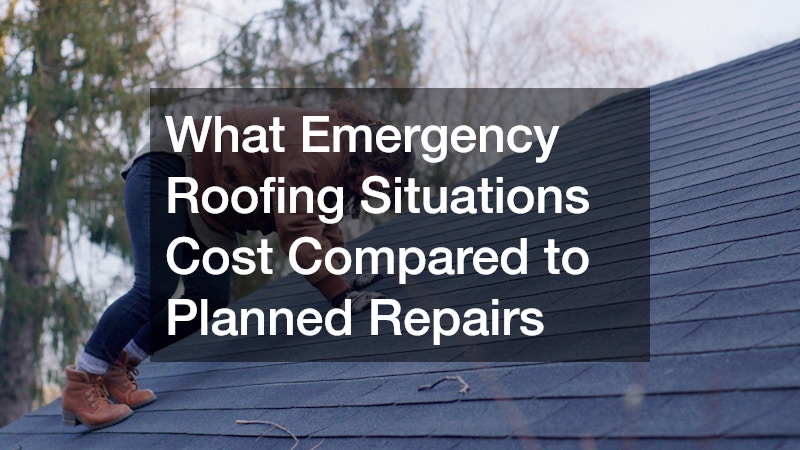
When a roof failure happens during a storm, homeowners are no longer choosing between options on their own timeline, they’re at the mercy of availability. Emergency roofing companies often charge premium rates for after-hours or storm-response work, reflecting the urgency and risk involved in making repairs during active bad weather.
Planned repairs scheduled during a contractor’s normal working hours are almost always less expensive and give you more control over material choices and scheduling. Addressing a known issue proactively also means you can shop around among several roofing companies for the best price, since most emergencies stem from problems that existed long before the storm that finally exposed them.
- Storm-response pricing is typically higher than standard scheduled work
- Emergency situations limit your ability to compare quotes or plan around your budget
- Proactive repairs reduce the likelihood of a middle-of-the-night emergency
- Crews called out under emergency conditions often focus on stopping active leaks rather than fully replacing damaged materials
How to Choose the Right Professional for the Job
Not every roofing job calls for the same type of expertise, and knowing the difference can save you time and money. A roofer handling a small repair may not have the same certifications or crew size needed for a large-scale roof replacement contractor project, so it’s worth matching the scope of your issue to the right kind of help.
When comparing roofing companies, look beyond the initial quote and consider licensing, insurance, warranty terms, and how clearly they explain the scope of work. A reputable provider will walk you through their findings, show you photos of any damage, and explain your options without pressuring you into unnecessary work.
- Verify licensing and insurance before signing any agreement
- Ask for a written scope of work and itemized estimate
- Compare warranty terms across at least two or three quotes
- Request references or recent local project examples
Practical Steps to Take Before the Next Season Changes
You don’t need to be a roofing expert to catch warning signs early. A simple visual check from the ground, combined with an occasional look in the attic for water stains or daylight coming through the decking, can flag issues before they you need emergency roofing companies.
If you notice anything concerning, scheduling an inspection before the next major weather shift gives you the most options and the best pricing. Acting during a calm season, rather than waiting for the first storm of the next one, puts you back in control of the timeline and the budget, instead of scrambling to find an emergency restoration crew after the damage has already spread.
- Check for missing, curling, or discolored shingles from the ground
- Look for daylight or water stains when inspecting the attic
- Clear debris from gutters to prevent water backup under shingles
- Schedule a professional inspection before extreme weather season begins
Delaying a roof repair rarely makes the problem smaller or the cost lower; it simply shifts the expense further down the road, often with interest in the form of structural damage, mold remediation, or emergency service fees. The smartest move is to address concerns while you still have the luxury of time and choice. Reach out to qualified local roofing contractors this season, before next season makes the decision for you.