Signs Your Roofing System Needs Professional Attention

Your roof is one of the most important components of your home. It protects your family, your belongings, and the property’s structural integrity from rain, wind, snow, heat, and other environmental factors. Because roofing systems are constantly exposed to the elements, they naturally experience wear and tear over time. While some roofing issues are immediately obvious after a major storm, many problems develop gradually and can go unnoticed until significant damage has occurred.
Unfortunately, waiting until water is dripping from the ceiling or shingles are scattered across the yard often means repairs have become more extensive and expensive. Learning how to recognize the early warning signs of roofing problems can help homeowners take action before minor concerns turn into major structural issues.
Regular inspections and proactive maintenance are critical to extending the lifespan of any roofing system. Whether your home is relatively new or decades old, understanding what to look for can help you protect your investment and avoid unnecessary costs.
Watch for Water Stains and Interior Moisture Problems
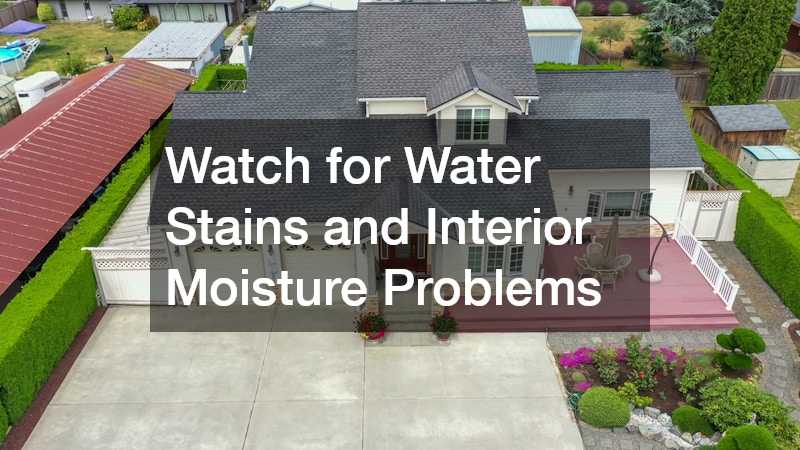
One of the earliest and most common indicators of roofing trouble is the appearance of water stains inside the home. These stains often appear on ceilings, walls, or around windows and may start as small discolorations that grow larger over time.
Water intrusion rarely fixes itself. Even a minor leak can allow moisture to spread throughout insulation, drywall, and framing materials. The longer moisture remains trapped, the greater the risk of mold growth, wood rot, and structural deterioration.
Signs homeowners should monitor include:
- Yellow or brown ceiling stains
- Peeling paint or wallpaper
- Bubbling drywall
- Musty odors
- Damp insulation
- Visible mold growth
In many cases, the source of the leak may not be directly above the stain. Water can travel along rafters and structural members before becoming visible inside the home.
Homeowners should also pay attention to subtle changes in indoor conditions. An unexplained increase in humidity, persistent condensation on windows, or recurring mold growth in specific areas may indicate moisture entering through the roofing system. These issues are particularly common after heavy rainfall or snowmelt and can worsen if left unaddressed.
Regular attic inspections can help identify problems before they become visible inside living spaces. Checking for damp wood, watermarks, or compressed insulation can reveal hidden leaks early. It is also important to inspect areas around roof penetrations such as vents, chimneys, and skylights, as these locations are often vulnerable to water intrusion.
Professional roofers have the experience and equipment needed to identify hidden moisture pathways and locate the true source of leaks. Using specialized tools and thorough inspections, they can determine the extent of the damage and recommend effective roof repairs. Prompt action can prevent further damage, protect indoor air quality, and save homeowners from more costly restoration projects in the future.
Pay Attention to Missing, Damaged, or Aging Materials
Roofing materials naturally deteriorate over time due to exposure to weather, ultraviolet radiation, temperature fluctuations, and moisture. Even high-quality systems eventually reach the end of their useful life.
After storms or periods of severe weather, homeowners should visually inspect their roofs from the ground whenever possible. Missing or damaged materials often create vulnerable entry points for water and pests.
Common warning signs include:
- Missing shingles
- Curling or buckling shingles
- Cracked roofing materials
- Bald spots from granule loss
- Exposed underlayment
- Sagging roof sections
Aging roofs may continue to function for a period of time despite visible wear, but delaying action often increases the likelihood of more extensive damage. Small cracks or missing materials may seem insignificant at first, but they can allow moisture to penetrate deeper layers of the roofing system. Over time, this can lead to damaged decking, compromised insulation, and costly interior repairs.
Homeowners should also pay attention to changes that may not be immediately visible from the ground. For example, finding shingle granules in gutters or downspouts can indicate advanced wear. Likewise, roofing material found in the yard after a storm may signal that the roof is becoming increasingly vulnerable to future weather events.
Additional signs that materials may be reaching the end of their lifespan include:
- Frequent leaks following rainstorms
- Uneven roof surfaces
- Increased maintenance needs
- Discoloration or weathering across large areas
- Loose flashing around vents and chimneys
When deterioration becomes widespread, a roof replacement may be more practical than repeatedly addressing isolated issues. In some cases, homeowners benefit from modern roof installations that offer greater durability, energy efficiency, and weather resistance than older roofing systems. Investing in updated materials can provide long-term protection, reduce future maintenance concerns, and help preserve the home’s overall value.
Monitor Rising Energy Costs and Indoor Comfort Issues
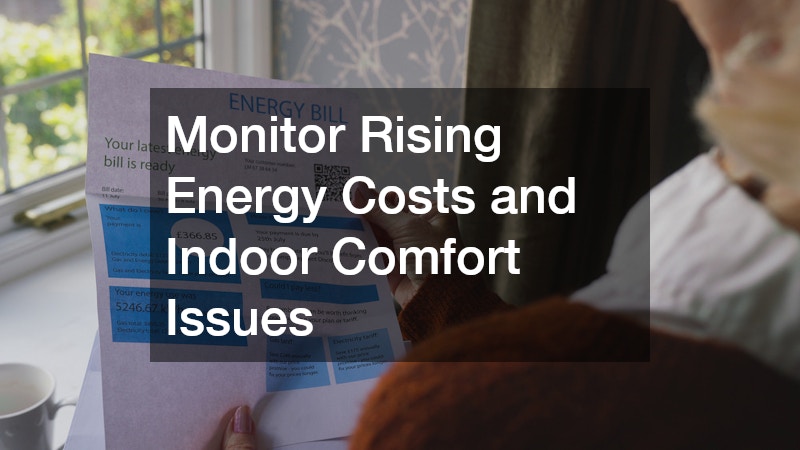
Many homeowners don’t immediately associate roofing problems with higher utility bills. However, roofing systems play a major role in regulating indoor temperatures and maintaining energy efficiency.
When roofing materials become damaged or ventilation systems stop functioning properly, conditioned air can escape while outside air infiltrates the home. This forces heating and cooling systems to work harder year-round.
Potential warning signs include:
- Higher-than-normal energy bills
- Hot or cold spots throughout the home
- Excessive attic heat
- Drafts near ceilings
- Uneven indoor temperatures
- Persistent humidity issues
Poor attic ventilation can accelerate roofing deterioration and affect indoor comfort. Excessive heat buildup during summer months can prematurely age materials, while trapped moisture during colder seasons can contribute to mold growth and structural damage.
Many residential roofing service providers evaluate ventilation systems as part of comprehensive roof inspections. Addressing these issues early can improve energy efficiency while extending the lifespan of the roofing system.
Examine Metal Components for Signs of Corrosion
Even if a roof appears generally sound, the metal components that support its performance may reveal underlying problems.
Flashing, fasteners, drip edges, and vent components are designed to prevent water intrusion at vulnerable points. Over time, these materials may rust, loosen, or deteriorate due to prolonged exposure to moisture and changing weather conditions.
Homeowners should look for:
- Rust stains
- Corroded flashing
- Loose fasteners
- Separation around roof penetrations
- Deteriorating sealants
- Exposed metal edges
Properties with metal roofing should receive regular inspections to ensure all panels, seams, and fasteners remain secure. Thermal expansion and contraction can gradually loosen connections, creating opportunities for water intrusion.
Minor corrosion issues are often inexpensive to address when discovered early. However, delaying repairs can allow moisture to penetrate deeper into the structure, affecting underlying decking and framing components.
Evaluate How Water Moves Across Your Property

Proper drainage is essential for protecting both the roofing system and the home itself. Water should move efficiently from the roof and away from the structure during rainfall.
Poor drainage can contribute to leaks, foundation issues, landscape erosion, and premature material deterioration.
Signs of drainage problems include:
- Overflowing gutters
- Standing water
- Water spilling over the roof edges
- Soil erosion near the foundation
- Water stains on siding
- Excessive splashback
Homeowners should pay particular attention during heavy rainstorms. Observing how water behaves during active rainfall can reveal issues that remain hidden during dry conditions.
Routine maintenance often includes professional gutter cleaning service to remove leaves, twigs, and debris that may obstruct proper water flow. In some situations, aging systems may require new gutter installation to accommodate changing drainage needs or increased rainfall.
Inspect Drainage Components for Deterioration
Drainage systems work continuously to channel water away from the home. When these components fail, roofing systems become more vulnerable to moisture-related damage.
Regular inspections can help identify problems before they create larger concerns.
Warning signs include:
- Sagging sections
- Loose brackets
- Separated joints
- Rust formation
- Visible cracks
- Improper slope
Water that remains trapped in damaged drainage systems can add unnecessary weight and increase the likelihood of structural failures.
Many homeowners choose to consult experienced gutter companies when recurring drainage problems occur. Professional evaluations can determine whether repairs, reinforcement, or replacement solutions are necessary to restore proper water management.
Maintaining effective drainage protects not only the roofing system but also foundations, siding, landscaping, and exterior finishes.
Check for Storm Damage After Severe Weather
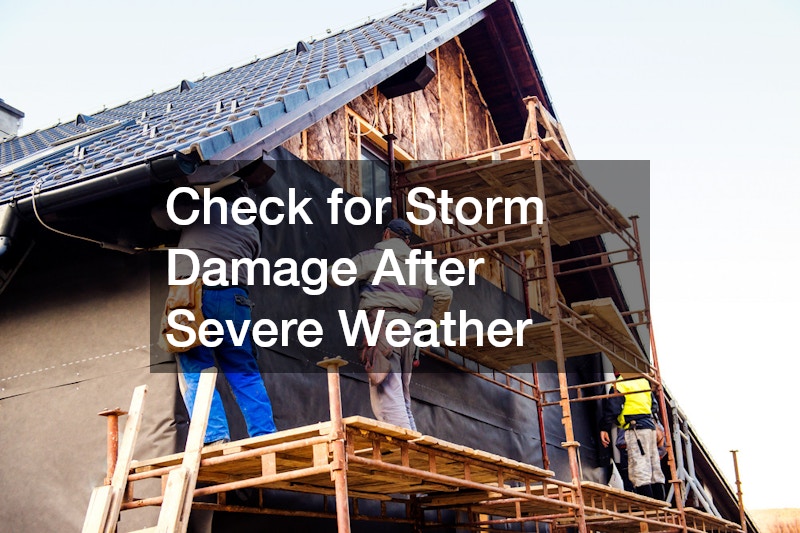
Not all roofing damage is immediately obvious following severe weather events. Wind, hail, heavy rain, and falling debris can create hidden vulnerabilities that worsen over time.
After storms, homeowners should perform a visual inspection from a safe location and look for signs such as:
- Missing materials
- Damaged flashing
- Dented metal surfaces
- Fallen branches
- Debris accumulation
- Displaced roof components
Even small areas of damage can allow moisture to enter the roofing system.
Professional roofers often identify issues that homeowners may overlook. Detailed inspections can uncover hidden damage beneath surface materials, helping prevent future leaks and structural deterioration.
The sooner storm-related concerns are addressed, the less likely they are to escalate into larger, more expensive repairs.
Pay Attention to Sagging or Uneven Areas
A roof should maintain a relatively uniform appearance across its entire surface. Any visible sagging, dipping, or uneven sections warrant immediate attention.
Structural issues may result from:
- Water damage
- Rotting decking
- Compromised framing
- Excessive weight
- Long-term neglect
- Improper construction methods
Sagging sections often indicate that underlying structural components have weakened and may no longer provide adequate support.
Homeowners should never ignore changes in roof shape or appearance. Structural concerns can worsen rapidly and may eventually create safety hazards if left unresolved.
Professional inspections can determine whether reinforcement, repairs, or more extensive corrective measures are necessary.
Look for Excessive Moss, Algae, and Organic Growth
While moss and algae may initially appear to be cosmetic concerns, they can create conditions that accelerate roofing deterioration.
Organic growth retains moisture against roofing materials and may contribute to premature aging.
Common warning signs include:
- Green moss patches
- Black streaking
- Algae growth
- Lichen development
- Moisture retention
Shaded areas of the roof are particularly vulnerable to organic buildup.
Regular cleaning and maintenance help preserve roofing materials and reduce moisture-related risks. Professionals can recommend safe treatment methods that remove growth without damaging roofing surfaces.
Addressing these issues promptly can help maximize the lifespan of the roofing system.
Recognize When Frequent Repairs Signal Larger Problems
Every roofing system requires occasional maintenance. However, there comes a point when recurring issues indicate a more significant underlying concern.
Homeowners should pay attention if they experience:
- Multiple leaks within a short period
- Repeated material failures
- Frequent emergency service calls
- Escalating maintenance expenses
- Ongoing moisture problems
At a certain stage, continued roof repairs may become less cost-effective than pursuing a long-term solution.
A professional evaluation can help determine whether isolated repairs remain practical or if a roof replacement offers greater value over time. Understanding the true condition of the roofing system allows homeowners to make informed financial decisions.
Choose Qualified Professionals for Inspections and Repairs
Selecting the right contractor is one of the most important decisions homeowners can make when addressing roofing concerns.
Not all contractors offer the same level of expertise, experience, or service quality.
When evaluating providers, homeowners should verify:
- Proper licensing
- Insurance coverage
- Industry certifications
- Customer reviews
- Project references
- Local experience
A reputable roofing company should provide detailed inspections, transparent recommendations, and clear explanations regarding necessary work.
Questions homeowners should ask include:
- What issues were identified?
- How urgent are the repairs?
- What solutions are available?
- What warranties are offered?
- What maintenance is recommended?
Thorough communication helps homeowners understand the condition of their roof and make confident decisions regarding repairs or upgrades.
Create a Long-Term Maintenance Strategy
Preventive maintenance remains one of the most effective ways to protect a roofing investment.
Rather than waiting for visible problems to appear, homeowners should establish a maintenance plan that includes regular inspections and seasonal evaluations.
A proactive approach often includes:
- Annual roof inspections
- Post-storm assessments
- Attic evaluations
- Drainage system maintenance
- Debris removal
- Documentation of completed work
Many providers of residential roofing services recommend scheduling inspections during spring and fall to identify seasonal wear before it progresses.
Maintaining records of inspections, repairs, warranties, and maintenance activities can also prove valuable during insurance claims or future property sales.
By consistently monitoring the condition of the roofing system and addressing concerns promptly, homeowners can significantly reduce the likelihood of unexpected expenses while extending the roof’s lifespan.
Your roof protects virtually every component beneath it, making regular inspections and prompt maintenance essential for preserving your home’s safety, comfort, and value. From water stains and energy efficiency issues to drainage concerns and structural warning signs, recognizing potential problems early can prevent costly repairs and extensive damage.
By staying proactive, scheduling routine inspections, and addressing concerns promptly, homeowners can maximize the lifespan of their roofing system while maintaining reliable protection for years to come. Investing in preventive care today often saves significant time, money, and stress in the future.