Comprehensive Home Solutions for Repairs and Renovations

Start With a Whole-Home Assessment Before Any Work Begins
Owning a home is both a rewarding investment and an ongoing responsibility. Every system—from the structure itself to the mechanical components that power daily life—requires attention, planning, and occasional upgrades. Too often, homeowners fall into a reactive cycle, addressing problems only when they become urgent. Unfortunately, this approach tends to be more expensive, more stressful, and less effective in the long run.
A comprehensive strategy focuses on prevention, coordination, and thoughtful improvements. Instead of tackling isolated issues, you look at how everything in your home works together. This not only reduces the likelihood of unexpected breakdowns but also helps you make smarter financial decisions and create a more comfortable living environment.
In this guide, you’ll find in-depth, practical advice for managing repairs and renovations across your entire home. Whether you’re preparing for a major upgrade or simply trying to stay ahead of maintenance, these insights will help you take control of your property with confidence.
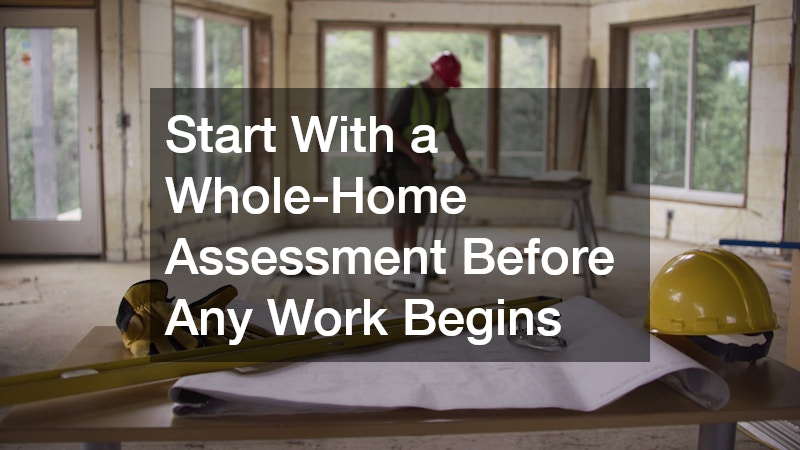
Before committing to any repairs or upgrades, it’s critical to understand exactly where your home stands. A thorough assessment provides clarity, helping you avoid wasted money and prioritize what truly matters.
Rather than rushing into visible fixes, take time to evaluate your home as a complete system. Small issues in one area can often signal larger underlying problems elsewhere.
Conduct a Room-by-Room Inspection
Walk through each area of your home with a critical eye. Look beyond surface-level appearances and try to identify early warning signs of wear or damage. For example, a small ceiling stain might indicate a slow leak, while uneven flooring could point to structural concerns.
Pay close attention to:
- Subtle cracks that may expand over time
- Faint odors that suggest moisture or mold
- Minor drafts that affect energy efficiency
Documenting these observations helps you build a clear picture of your home’s condition.
Identify Urgent vs. Long-Term Needs
Not every issue needs immediate attention, but some problems should never be delayed. Separating priorities allows you to allocate resources wisely.
- Urgent concerns often involve safety or active damage, such as leaks or electrical hazards
- Preventative maintenance includes aging systems that still function but may fail soon
- Cosmetic improvements enhance appearance but can usually wait
This structured approach keeps your project manageable and reduces overwhelm.
Bring in Professionals Strategically
Even if you’re comfortable handling minor repairs, professional insight is invaluable for larger decisions. Experts can detect hidden issues and recommend solutions that may not be obvious during a basic walkthrough.
Build a Flexible Budget
Your assessment should lead directly into financial planning. Include estimated costs, but also leave room for unexpected discoveries. Renovation projects frequently uncover hidden issues, so flexibility is key to avoiding delays or compromises.
Strengthen Your Home’s First Line of Defense With Smart Roof Planning
Your roof plays a critical role in protecting everything beneath it. When it’s in good condition, it shields your home from weather, supports energy efficiency, and maintains structural integrity. When it’s neglected, even minor issues can escalate quickly.
Homeowners often underestimate how much impact proper roofing installation can have—not just on durability, but also on long-term energy savings and indoor comfort.
Recognizing When Action Is Needed
Roof problems don’t always appear dramatically. In many cases, the warning signs are subtle at first. Over time, however, they can lead to significant damage if ignored.
You might notice:
- Slight discoloration on ceilings or walls
- Shingles that appear uneven or worn
- Increased indoor humidity levels
These signs often indicate that deeper issues are developing beneath the surface.
Deciding Between Repairs and Replacement
Choosing between repairs and a full roof replacement depends on several factors. Age is one of the most important—older roofs tend to have widespread wear that makes replacement more cost-effective in the long run.
Repairs can be a good option when damage is localized, but repeated fixes can add up quickly. In many cases, investing in a full replacement provides better value and peace of mind.
Material Selection Matters
Different materials perform differently depending on your climate and home design. While affordability is important, durability and efficiency should carry significant weight in your decision.
Installation Quality Is Everything
Even high-end materials won’t perform well if installation is rushed or poorly executed. Proper ventilation, sealing, and alignment all contribute to a roof that lasts for decades rather than years.
Choose Reliable Experts for Long-Lasting Exterior Protection

The exterior of your home is constantly exposed to environmental stress. From sun and rain to temperature fluctuations, these elements gradually wear down materials. That’s why choosing the right professionals for roofing services and siding contractors is so important.
A well-executed exterior project not only improves appearance but also strengthens your home’s overall resilience.
What Sets Great Contractors Apart
The difference between average and exceptional workmanship often comes down to attention to detail and accountability. Reputable professionals communicate clearly, provide transparent estimates, and stand behind their work.
Instead of focusing solely on price, evaluate contractors based on their process. Do they take time to inspect thoroughly? Do they explain their recommendations? These factors often indicate the quality you can expect.
The Value of Coordinated Upgrades
When multiple exterior components need attention, addressing them together can lead to better results. For example, replacing siding and roofing at the same time ensures proper alignment and sealing between materials.
Maintaining Your Exterior Investment
Once improvements are complete, ongoing care is essential. Even the best materials require occasional maintenance to perform at their best.
Simple habits can make a big difference:
- Inspect your exterior after major weather events
- Keep drainage systems clear and functional
- Address small issues before they expand
Prevent Costly Emergencies With Routine Plumbing Care
Water is essential to daily life, but it can also be one of the most destructive forces in your home when not properly managed. Many homeowners don’t think about their plumbing system until something goes wrong, but regular attention can prevent major disruptions.
Professional plumbing services can help identify vulnerabilities early, but there are also many steps you can take on your own to reduce risk.
Understanding Common Problem Areas
Pipes, fixtures, and drains all experience wear over time. Small inefficiencies—like slow drainage or minor leaks—may seem insignificant, but they often signal larger issues developing behind the scenes.
Ignoring these warning signs can lead to extensive damage that requires intervention from a water damage restoration contractor.
The Importance of Preventative Maintenance
Routine care is one of the most effective ways to protect your home. Simple actions performed consistently can significantly reduce the likelihood of major failures.
For example:
- Monitoring water pressure helps prevent stress on pipes
- Regular inspections catch leaks before they spread
- Cleaning drains reduces the risk of blockages
Responding Quickly to Issues
When a problem does occur, speed matters. Water damage can escalate within hours, affecting floors, walls, and even structural components.
Acting quickly—shutting off water, removing moisture, and calling professionals—can dramatically reduce repair costs and long-term impact.
Upgrade Living Spaces With Purpose-Driven Renovations

Renovations offer an opportunity to transform your home into a space that better suits your lifestyle. However, successful projects require more than aesthetic choices—they depend on thoughtful planning and practical design.
Working with experienced home remodeling services allows you to balance style with functionality, ensuring your upgrades deliver lasting value.
Prioritizing High-Impact Changes
Not all renovations provide the same return. Kitchens and bathrooms tend to offer the greatest benefits, both in daily use and resale value.
A well-planned bathroom remodeling service, for instance, can improve efficiency, enhance comfort, and modernize your home all at once.
Designing for Everyday Living
It’s easy to focus on visual appeal, but functionality should always come first. Consider how you move through each space and what improvements would make daily tasks easier.
This might include:
- Expanding storage to reduce clutter
- Improving lighting for better visibility
- Reconfiguring layouts for better flow
Avoiding Costly Missteps
Many renovation challenges stem from poor planning. Rushed decisions or unrealistic budgets can lead to delays and compromises.
Taking time to plan thoroughly—and working with experienced professionals—helps ensure a smoother process and better results.
Improve Comfort and Efficiency With Seasonal System Maintenance
Heating and cooling systems are essential for maintaining a comfortable indoor environment. When they’re functioning properly, you barely notice them—but when they fail, the impact is immediate.
Regular HVAC repairs and maintenance not only prevent breakdowns but also improve efficiency and reduce energy costs.
Recognizing Early Warning Signs
Systems rarely fail without warning. Subtle changes often indicate that something needs attention.
You may notice:
- Uneven temperatures between rooms
- Unusual sounds during operation
- Gradual increases in energy bills
Addressing these issues early can prevent more serious problems.
Balancing DIY and Professional Care
While homeowners can handle basic tasks like changing filters, professional servicing is essential for more complex components. Annual inspections help ensure everything is operating safely and efficiently.
Long-Term Efficiency Improvements
Upgrading outdated systems can significantly reduce energy consumption. Modern solutions are designed to deliver better performance while using less energy, making them a smart long-term investment.
Prepare Your Home to Handle Severe Weather Conditions

Weather-related damage is one of the most unpredictable challenges homeowners face. From heavy storms to extreme temperatures, these events can cause significant harm in a short amount of time.
Being prepared—and knowing how to respond—can make all the difference when storm damage repair becomes necessary.
Understanding Your Home’s Vulnerabilities
Every home has weak points, whether it’s aging materials, poor drainage, or outdated construction methods. Identifying these areas allows you to reinforce them before problems occur.
Taking Immediate Action After a Storm
Once a storm passes, it’s important to assess your home carefully. Safety should always come first, but once conditions are stable, a thorough inspection can help you catch damage early.
Key steps include:
- Documenting visible damage for insurance purposes
- Making temporary repairs to prevent further issues
- Contacting professionals for a detailed evaluation
Strengthening Your Home for the Future
Preventative upgrades can significantly reduce the impact of future storms. Reinforced materials, improved drainage, and regular maintenance all contribute to greater resilience.
Coordinate Multiple Projects for Better Results and Savings
Managing home improvements individually can be inefficient and costly. When possible, coordinating multiple projects allows you to streamline the process and achieve better overall results.
Instead of treating each repair as a separate task, think about how different improvements can complement one another.
Why Coordination Matters
Bundling projects often reduces labor costs and minimizes disruption. It also allows contractors to work more efficiently, especially when tasks overlap.
Creating a Cohesive Plan
A well-structured timeline ensures that projects are completed in the right order. For example, structural repairs should always come before cosmetic updates.
Staying Organized Throughout the Process
Clear communication is essential when multiple professionals are involved. Establish expectations early and maintain regular check-ins to keep everything on track.
Budget Smartly Without Sacrificing Quality
Financial planning is one of the most important aspects of any home improvement project. Without a clear budget, costs can quickly spiral out of control.
However, budgeting doesn’t mean cutting corners—it means making informed decisions about where your money will have the greatest impact.
Understanding True Costs
Beyond materials and labor, there are often additional expenses to consider. Permits, inspections, and unexpected repairs can all affect your final total.
Investing Where It Counts
Certain areas of your home are worth prioritizing, particularly those that affect safety, efficiency, and long-term durability.
Keeping Spending Under Control
To stay within budget:
- Track expenses throughout the project
- Avoid last-minute design changes
- Compare options without sacrificing quality
A disciplined approach helps ensure your investment delivers lasting value.
Maintain Your Upgrades for Long-Term Performance
Once repairs and renovations are complete, ongoing maintenance becomes the key to preserving your results. Even the best improvements require care to remain effective over time.
Building a Consistent Routine
Regular maintenance doesn’t have to be overwhelming. Breaking tasks into seasonal checklists makes the process more manageable and ensures nothing is overlooked.
Keeping Records Organized
Documentation may not seem important at first, but it can be incredibly valuable later. Knowing when systems were serviced or replaced helps you plan future maintenance and simplifies warranty claims.
Staying Proactive
The most effective homeowners are those who address issues early. Small problems are almost always easier—and less expensive—to fix than major ones.
Taking a comprehensive approach to home repairs and renovations allows you to move beyond short-term fixes and focus on long-term success. By understanding your home as a complete system, planning strategically, and maintaining improvements over time, you can create a living space that is not only more comfortable but also more resilient and valuable.