How to Manage a Successful Roof and Siding Repair Project from Start to Finish

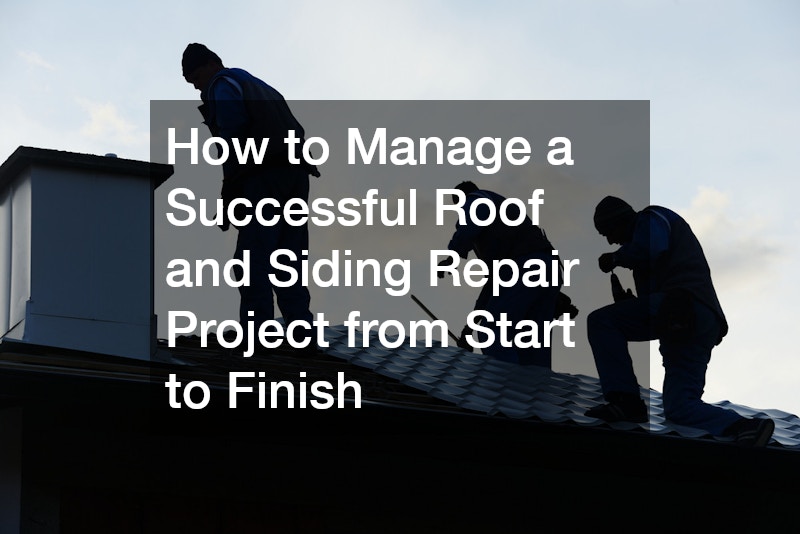
Taking on a roof and siding repair project can be a daunting task for any homeowner or property manager. The exterior of a home is its first line of defense against weather, pests, and the general wear and tear that comes with time. Ensuring that repairs are done properly is essential not only to protect the structural integrity of the building but also to maintain its aesthetic appeal and overall value. A successful repair project requires more than just identifying damaged areas and calling in contractors; it involves thorough planning, understanding the various elements involved, coordinating multiple services, and managing the process from start to finish.
The complexity of roof and siding repairs means that every step, from the initial assessment to the final touches, needs to be approached with care and attention. Poorly executed repairs can lead to recurring problems, costly damage, and a shortened lifespan for your roof and siding. On the other hand, a well-managed project can improve your home’s energy efficiency, curb appeal, and durability for years to come.
This guide will walk you through the essential steps of managing a roof and siding repair project successfully. You’ll learn how to properly assess your home’s needs, select trusted professionals, and ensure that each stage—from cleaning surfaces to handling structural components—is handled with expertise. We will also discuss the importance of using durable materials, responsibly disposing of old materials, and protecting your investment through insurance and the right equipment.
Whether this is your first experience with exterior home repairs or you’re looking to improve how you handle such projects, the insights provided here will help you make informed decisions. Understanding the scope and requirements of each aspect of the repair process will give you the confidence to oversee the project effectively and achieve results that stand the test of time. Let’s begin by exploring how to accurately assess and plan your exterior repair needs.
Assessing and Planning Your Exterior Repair Needs
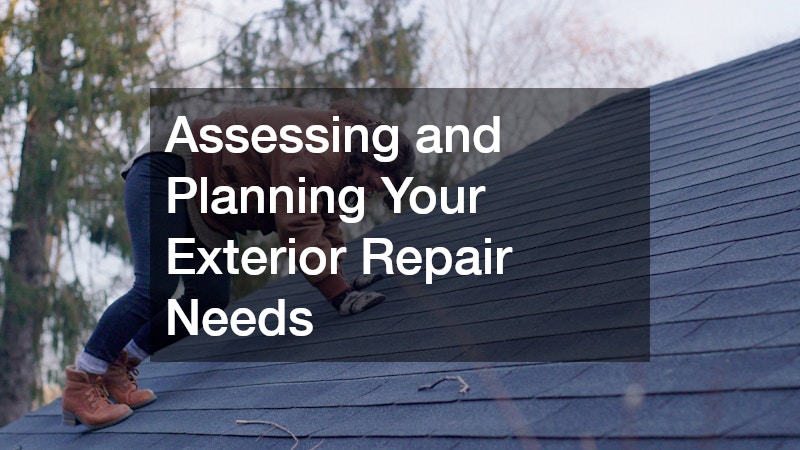
The first and perhaps most critical step in any roof and siding repair project is a thorough assessment of the existing conditions. Taking the time to evaluate your home’s exterior will provide clarity on the extent of damage and the scope of work required. Start by inspecting the siding for cracks, warping, rot, or other signs of deterioration. Early detection of these issues can prevent more extensive damage that could compromise the building’s structure.
Once the siding condition is understood, turn your attention to the roof. Look for missing or damaged shingles, leaks, sagging areas, or signs of wear around chimneys and vents. These problems may not always be immediately visible, but can cause significant issues if left unaddressed. Consider hiring a professional inspector who can provide an expert evaluation and uncover hidden problems that could impact the repair plan.
Planning involves not only identifying what needs to be fixed but also prioritizing repairs based on urgency and budget. It’s important to establish a realistic timeline that factors in weather conditions, availability of materials, and contractor schedules. Creating a detailed checklist of tasks ensures no critical element is overlooked.
Budgeting is another essential aspect of planning. Understanding the cost implications for labor, materials, permits, and additional services such as waste disposal or a heavy equipment rental will help you avoid surprises later. Some repairs may qualify for insurance coverage or warranties, so verifying these options early can be advantageous.
Ultimately, a comprehensive assessment and solid plan set the foundation for a smooth repair process. Being well-prepared will help you communicate effectively with contractors, manage expectations, and ensure that your project stays on track from beginning to end.
Selecting Experienced Professionals for Your Roof Work
Choosing the right professionals is crucial for the success of your roof repair. Local roofers who have established reputations and extensive experience with similar projects bring invaluable expertise to the table. It’s wise to research multiple companies, check reviews, and ask for referrals from friends or neighbors who have had recent roofing work done.
When interviewing potential roofers, inquire about their licensing, insurance, and warranties offered. A reputable roofing contractor will be transparent about these details and eager to provide documentation. Also, verify their familiarity with local building codes and regulations, which can impact the project’s legality and quality.
Experience matters, especially when dealing with specific roofing materials or architectural styles. Skilled roofers will be adept at identifying underlying problems and proposing effective solutions rather than just quick fixes. They will also ensure the proper installation of materials, minimizing future maintenance issues.
Clear communication and professionalism are key indicators of a reliable contractor. They should be responsive to your questions, provide detailed estimates, and keep you informed throughout the project. Selecting the right roofer not only guarantees quality workmanship but also contributes to a positive and stress-free experience.
Maintaining Clean Surfaces to Extend Roof and Home Lifespan
Keeping the exterior surfaces of your home clean is an often-overlooked component of roof and siding maintenance. Dirt, algae, mold, and mildew can accumulate over time, leading to staining and premature degradation of materials. Regular roof and house washing helps preserve the appearance and structural integrity of these surfaces.
Professional washing services use specialized equipment and cleaning solutions designed to remove contaminants without causing damage. Soft washing techniques, for example, are effective in safely cleaning delicate materials like shingles and vinyl siding.
Beyond aesthetics, cleaning prevents the buildup of debris that can clog gutters and downspouts, causing water to back up and potentially damage roofing and siding components. Seasonal cleanings also allow for easier inspections by revealing any issues that may have been hidden under grime.
Incorporating routine washing into your home maintenance plan extends the life of your roof and siding, reducing the need for costly repairs or replacements.
Understanding Structural Components for Safe Roofing
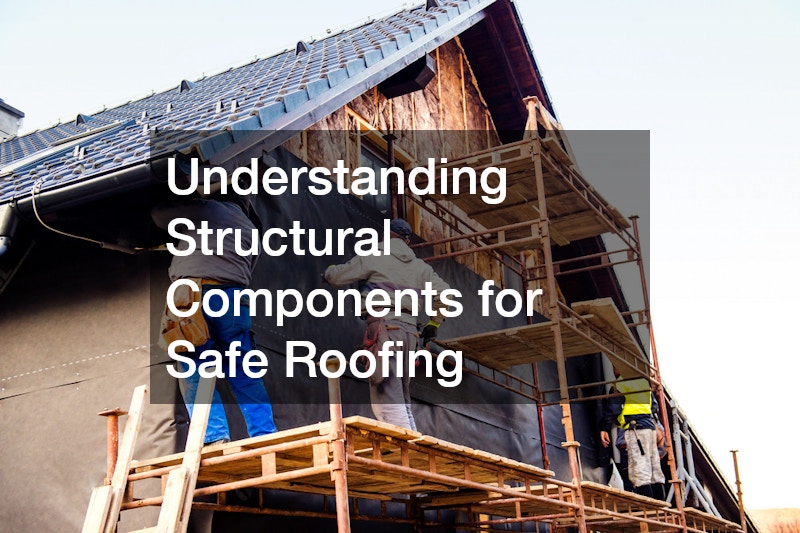
The structural framework of your roof, including residential roof trusses, is essential for supporting the weight of roofing materials and withstanding environmental stresses like wind, snow, and rain. Understanding these components helps ensure that any repairs or replacements maintain the roof’s safety and stability.
Roof trusses are prefabricated wooden or metal frameworks that provide strength and shape to the roof. When damaged by rot, pests, or weather, they can compromise the entire structure. Repairing or replacing trusses requires specialized knowledge to ensure proper load distribution and alignment.
Consulting with experts who can assess the condition of your roof’s structural components is vital before undertaking surface repairs. They can recommend whether reinforcement or full replacement is necessary, helping to avoid future structural failures.
Ensuring the integrity of your roof’s framework is fundamental to protecting your home and making any repair investment worthwhile.
Exploring Durable Materials for Building and Repairs
Material choice plays a significant role in the longevity and performance of roof and siding repairs. A metal building company often supplies durable materials like steel panels, metal roofing, and siding options that offer superior resistance to weather, fire, and pests.
Metal materials are favored for their strength, low maintenance, and energy efficiency. They can also be fabricated to match aesthetic preferences, available in a variety of colors and finishes.
In addition to metals, other durable options such as fiber cement siding or engineered wood products provide alternatives that combine strength and appearance. Working with knowledgeable suppliers and contractors ensures that the materials selected are appropriate for your climate, building style, and budget.
Investing in high-quality materials upfront reduces the frequency of repairs and replacements, saving money and effort in the long run.
Disposing of Old Materials Responsibly and Sustainably
Removing old roofing and siding materials is an inevitable part of repair projects. Responsible disposal not only keeps your property clean and safe but also minimizes environmental impact.
Recycling services specialize in collecting and processing construction debris, including metals, wood, shingles, and other materials. Recycling reduces landfill waste and can recover valuable resources for reuse.
Hiring a recycling service or contractor that prioritizes sustainability ensures that as much material as possible is diverted from landfills. This approach aligns with growing environmental awareness and often complies with local regulations.
Proper waste management during repairs reflects responsible stewardship and can enhance your project’s overall reputation.
Protecting Your Investment with Proper Coverage
Contractor insurance is a vital consideration for any roof and siding project. It protects both the contractor and homeowner from financial risks associated with accidents, property damage, or unforeseen issues during construction.
Before hiring a contractor, verify that they carry adequate insurance coverage, including general liability, workers’ compensation, and any specialized policies relevant to roofing or siding work.
Insurance coverage offers peace of mind, knowing that if an accident occurs or damage happens, you won’t be held financially responsible. It also indicates that the contractor operates professionally and adheres to industry standards.
Confirming insurance details upfront is a smart step to avoid potential disputes and protect your investment.
Utilizing Equipment to Facilitate Safe and Efficient Projects
Certain repair tasks require the use of heavy machinery and equipment to ensure safety and efficiency. Cranes, for example, are essential for lifting large or heavy materials onto roofs, particularly for multi-story homes or commercial buildings.
Using the right equipment reduces the risk of injury to workers and damage to property. Cranes can position trusses, metal panels, or large siding pieces precisely, speeding up the installation process.
Professional contractors often have access to such machinery or coordinate rentals, making the project run smoothly.
Planning equipment needs early in the project timeline helps avoid delays and ensures the correct tools are available when needed.
Renting Heavy Machinery for Complex Repair Tasks
In addition to cranes, other heavy equipment may be necessary for complex repairs. Equipment rental companies provide access to forklifts, lifts, loaders, and other machinery that facilitate various stages of roof and siding repair.
Renting heavy machinery is often more cost-effective than purchasing, especially for one-time projects. It also allows access to the latest technology and equipment tailored to specific job requirements.
Operators trained in handling this machinery ensure safety and proper use. Coordinating rentals with your contractor and project schedule keeps work progressing efficiently.
Knowing when and what equipment to rent is part of managing a successful repair project.
Enhancing Energy Efficiency During Exterior Renovations
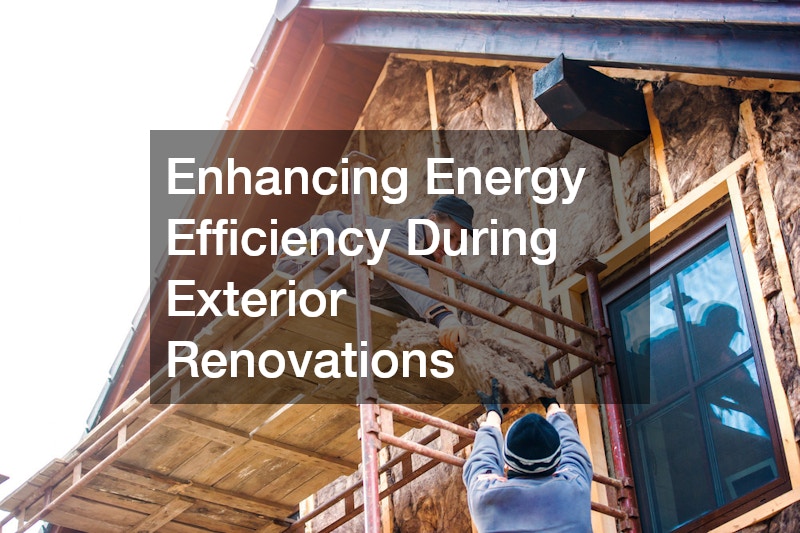
Exterior renovations offer an excellent opportunity to improve your home’s energy efficiency. Adding or upgrading insulation during siding or roofing repairs helps regulate indoor temperatures, reduce energy consumption, and increase comfort.
Home insulation services specialize in installing materials that provide thermal resistance, sealing gaps, and reducing drafts. Options include spray foam, rigid foam boards, and fiberglass batts, each suited to different applications and budgets.
Energy-efficient upgrades can also increase your home’s value and qualify for tax incentives or rebates in some regions.
Discussing insulation options with your contractor during the planning phase ensures these enhancements are integrated seamlessly into the repair work.
Managing a roof and siding repair project from start to finish requires a combination of careful planning, informed decision-making, and coordination among various services and professionals. Beginning with a thorough assessment and a detailed plan helps set realistic expectations and budget considerations, preventing costly surprises along the way.
Choosing experienced local roofers ensures the work is done correctly and in compliance with local building codes. Maintaining clean exterior surfaces not only improves curb appeal but also extends the life of your roof and siding by preventing damage from algae and debris buildup.
Understanding the critical role of structural components like residential roof trusses is essential to maintaining the safety and integrity of your roof. Selecting durable materials, whether metal or other resilient options, protects your investment and reduces long-term maintenance.
Disposing of old materials responsibly through recycling services supports environmental sustainability and keeps your property safe during the project. Verifying contractor insurance safeguards you financially and speaks to the professionalism of the team handling your repairs.
Utilizing the right equipment, including cranes and other heavy machinery, makes the repair process safer and more efficient. Renting specialized equipment as needed avoids unnecessary costs and ensures access to the tools required for complex tasks.
Finally, taking advantage of exterior renovation opportunities to enhance home insulation improves energy efficiency, comfort, and potential savings on utility bills.
By overseeing each of these elements thoughtfully, homeowners can navigate the complexities of roof and siding repairs with confidence. The result is a well-protected, attractive, and efficient home exterior that will serve your needs for years to come. Proper management of these projects not only safeguards your property but also adds value and peace of mind, making the effort well worth the investment.